The Inventory KPIs Every Ecommerce Brand Should Track
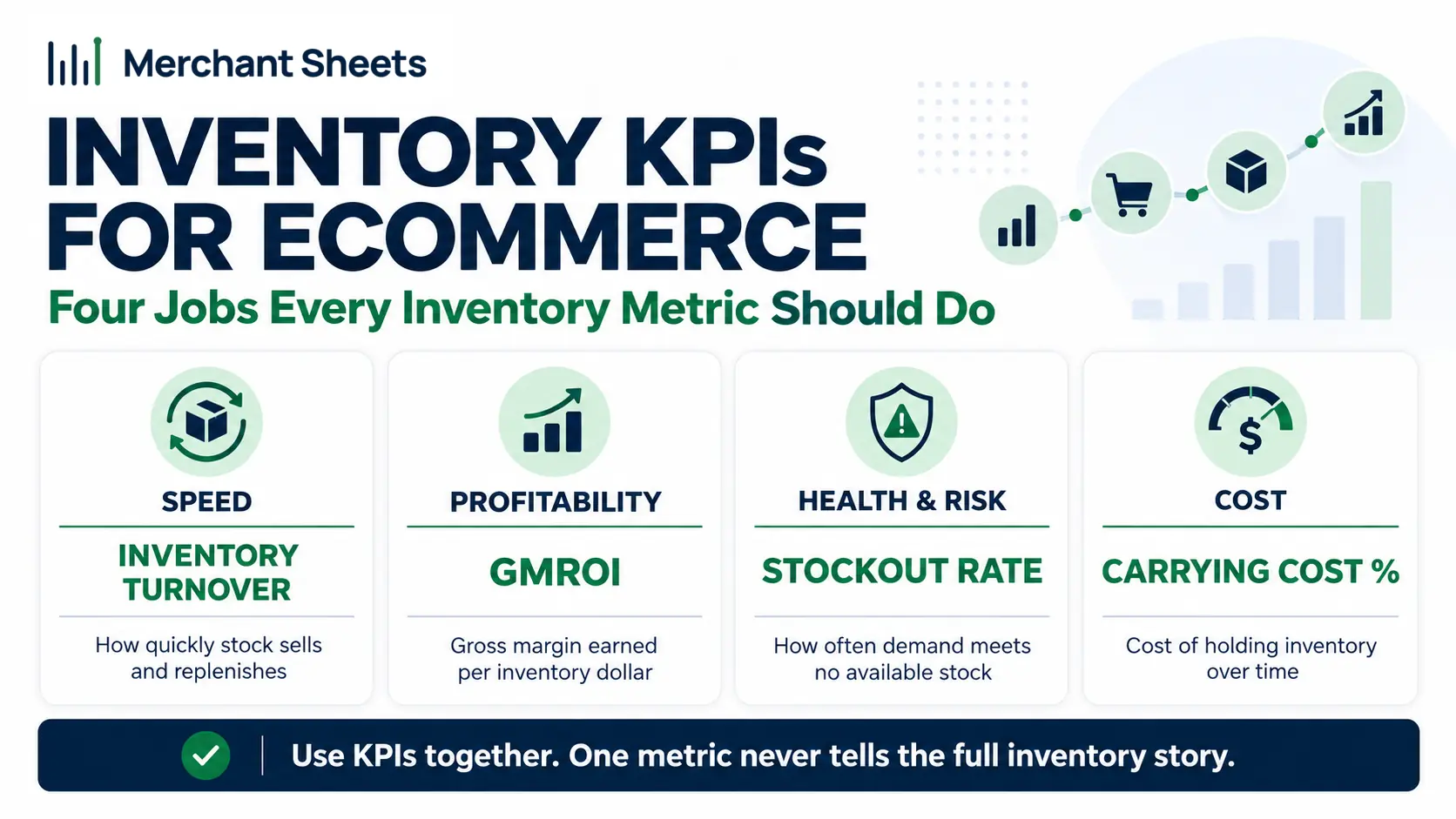
Key takeaways An inventory KPI is a number that tells you how well your stock is doing its job: selling fast enough, earning enough

Key takeaways An inventory KPI is a number that tells you how well your stock is doing its job: selling fast enough, earning enough
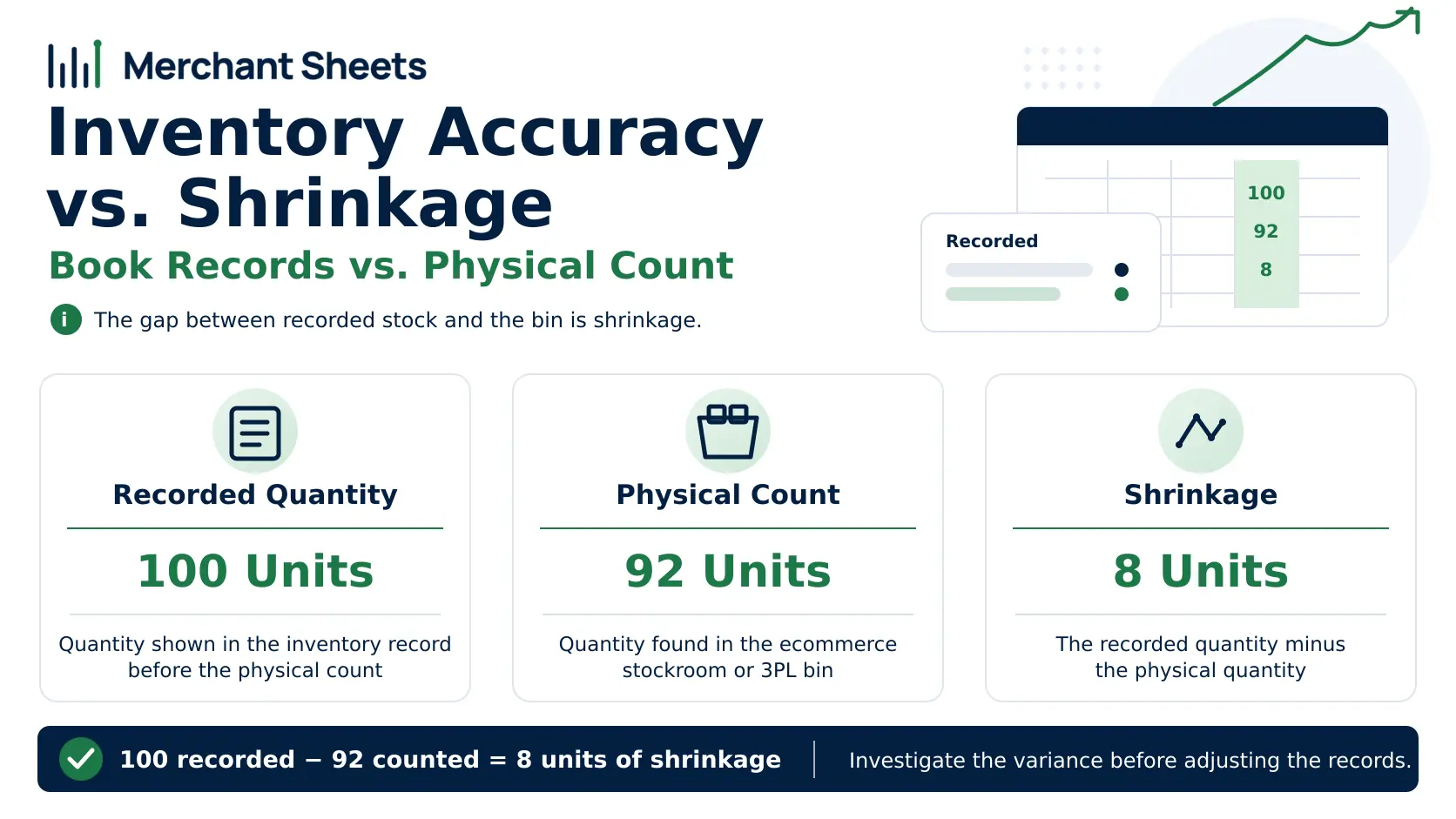
Key takeaways Inventory accuracy is how closely your records match what’s physically there; shrinkage is the specific loss when the real count comes up
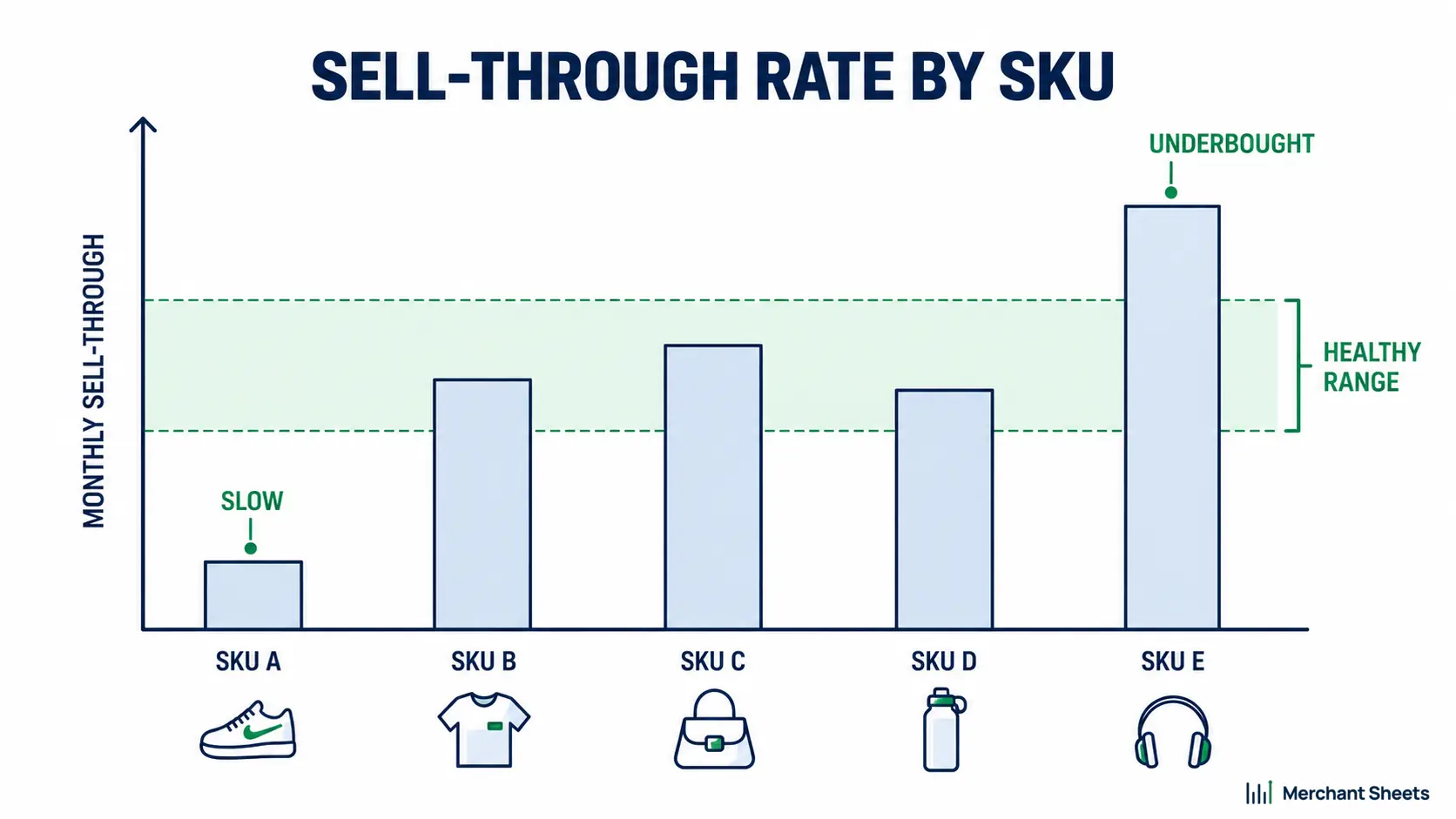
Key takeaways Sell-through rate is the share of a product you received that you sold in a period, usually a month: units sold divided
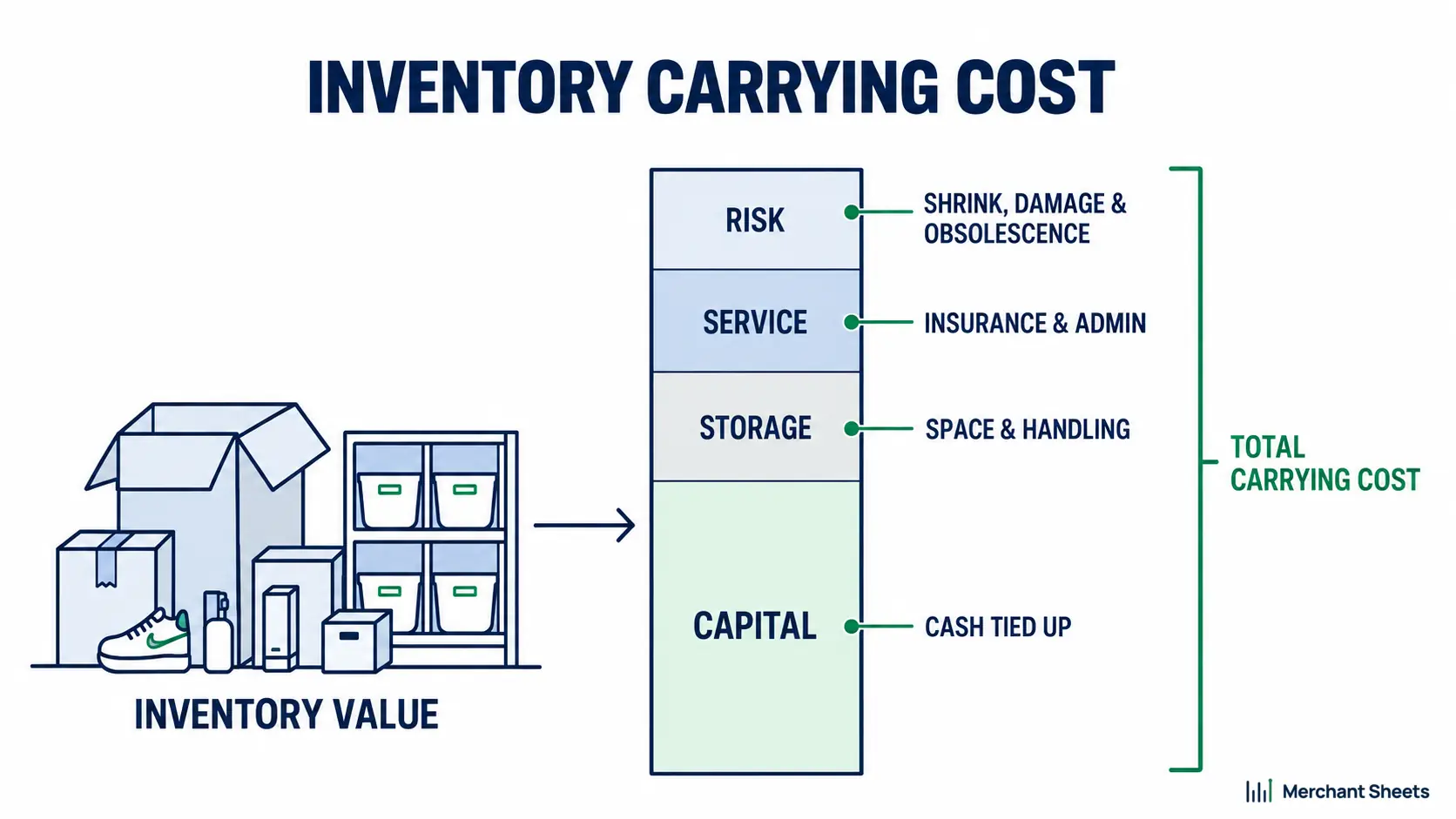
Key takeaways Inventory carrying cost, also called holding cost, is the total cost of keeping unsold stock for a period, and it’s usually 20%
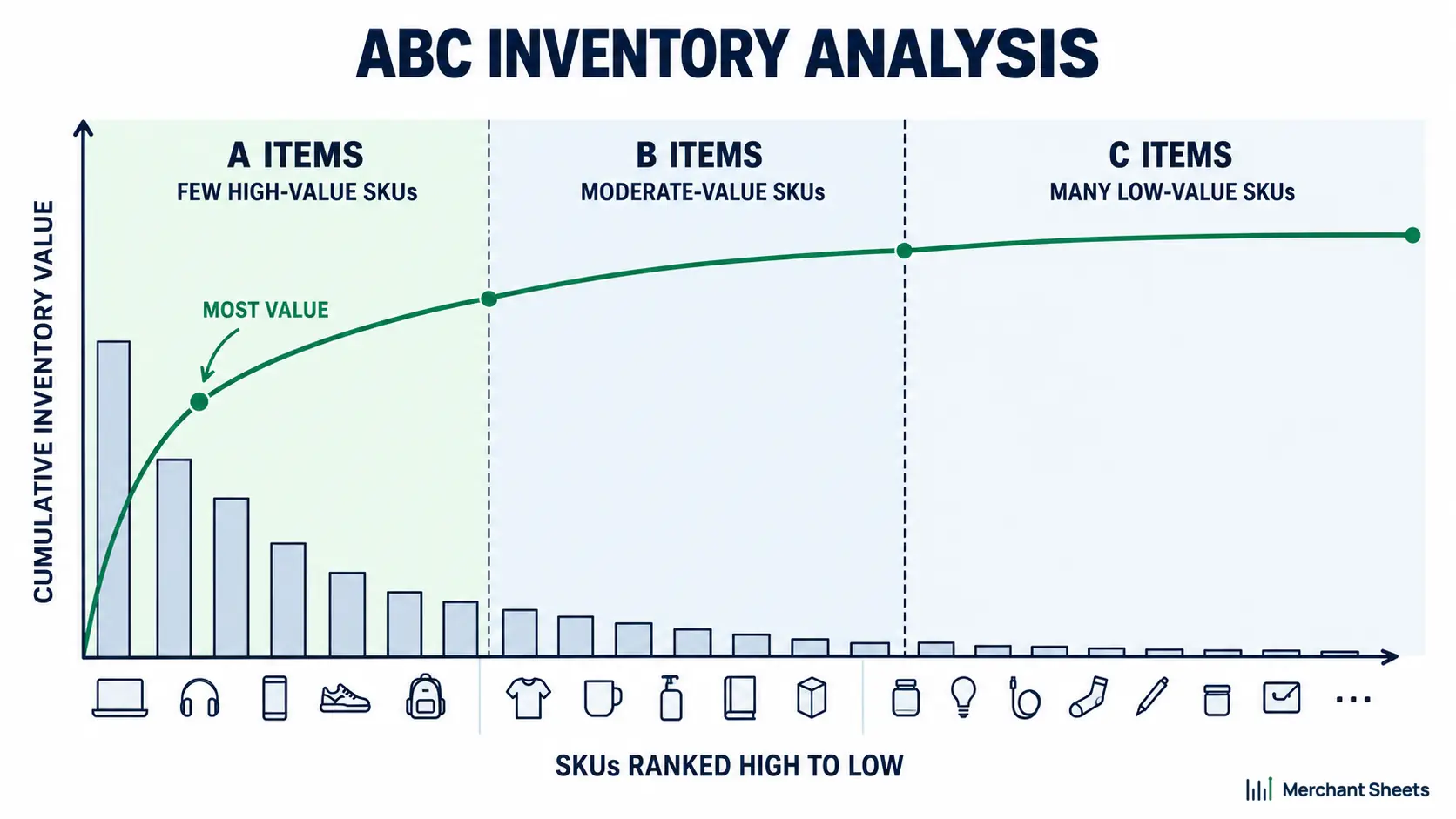
Key takeaways ABC inventory analysis sorts your SKUs into three classes by how much each one matters, so a small group of high-impact items
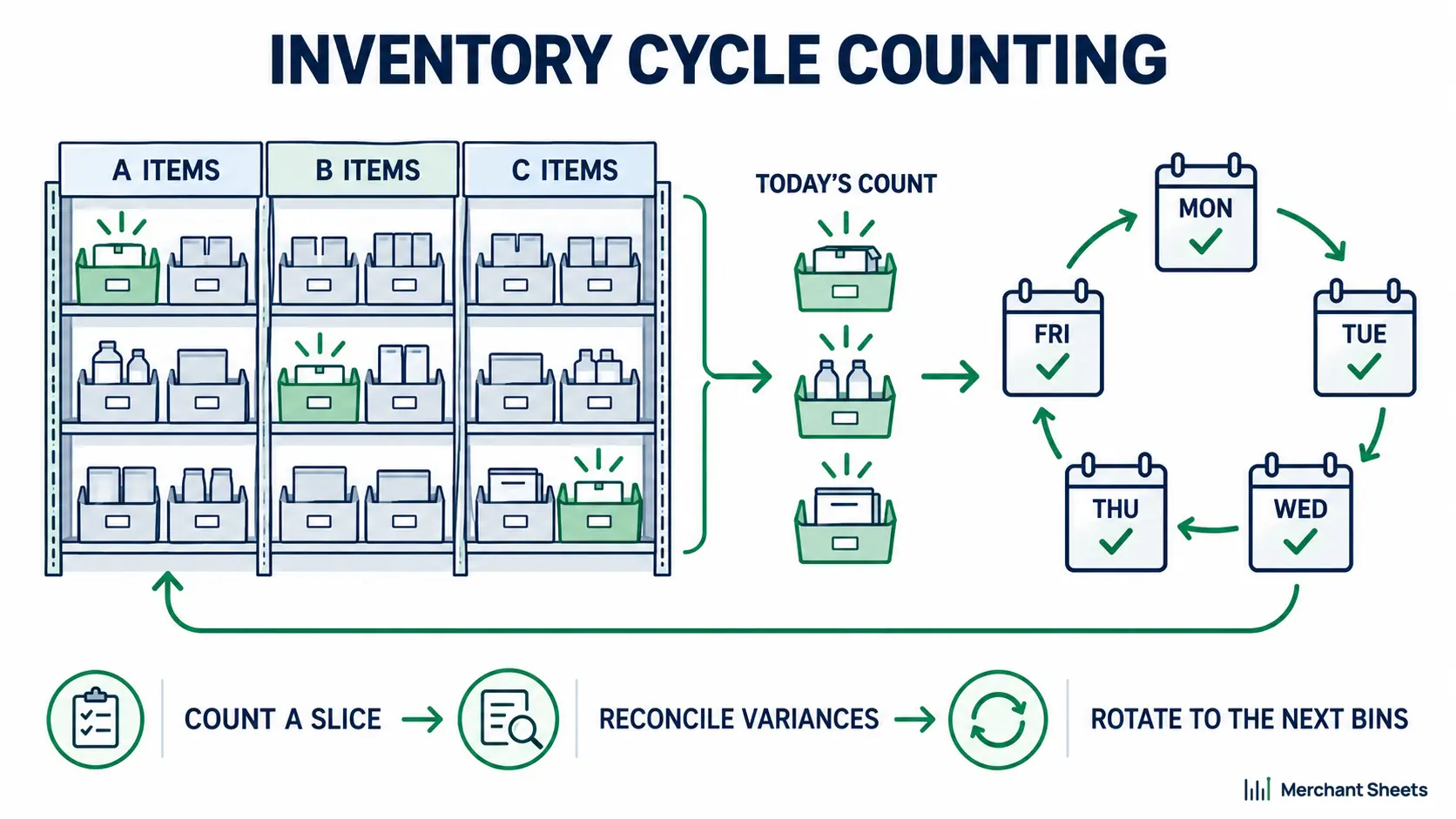
Key takeaways Cycle counting is counting a small subset of your inventory on a rotating schedule, so the whole catalog gets verified over time
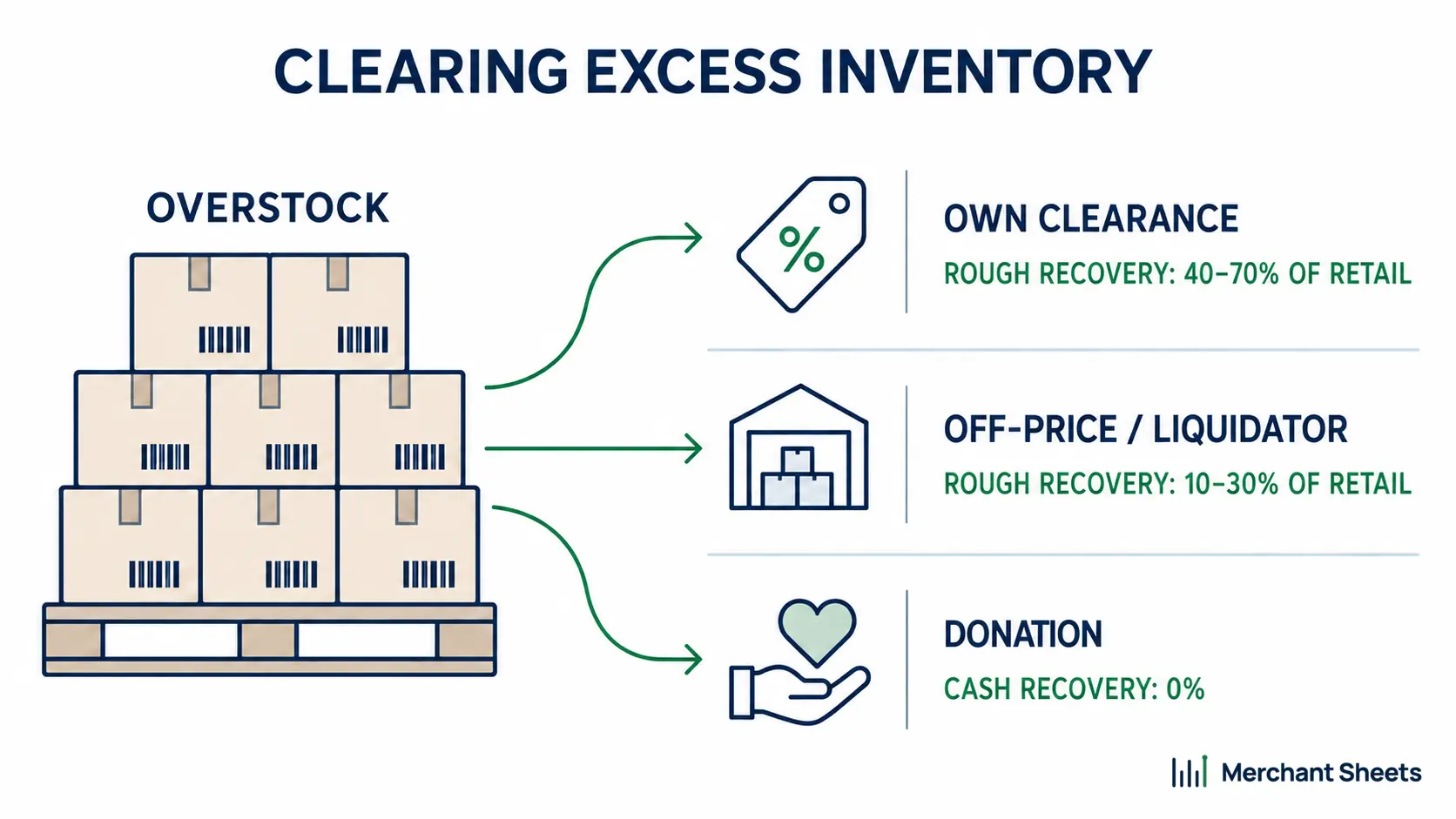
Key takeaways Overstock, or excess inventory, is more of a product than demand supports. It still sells, which is what separates it from dead
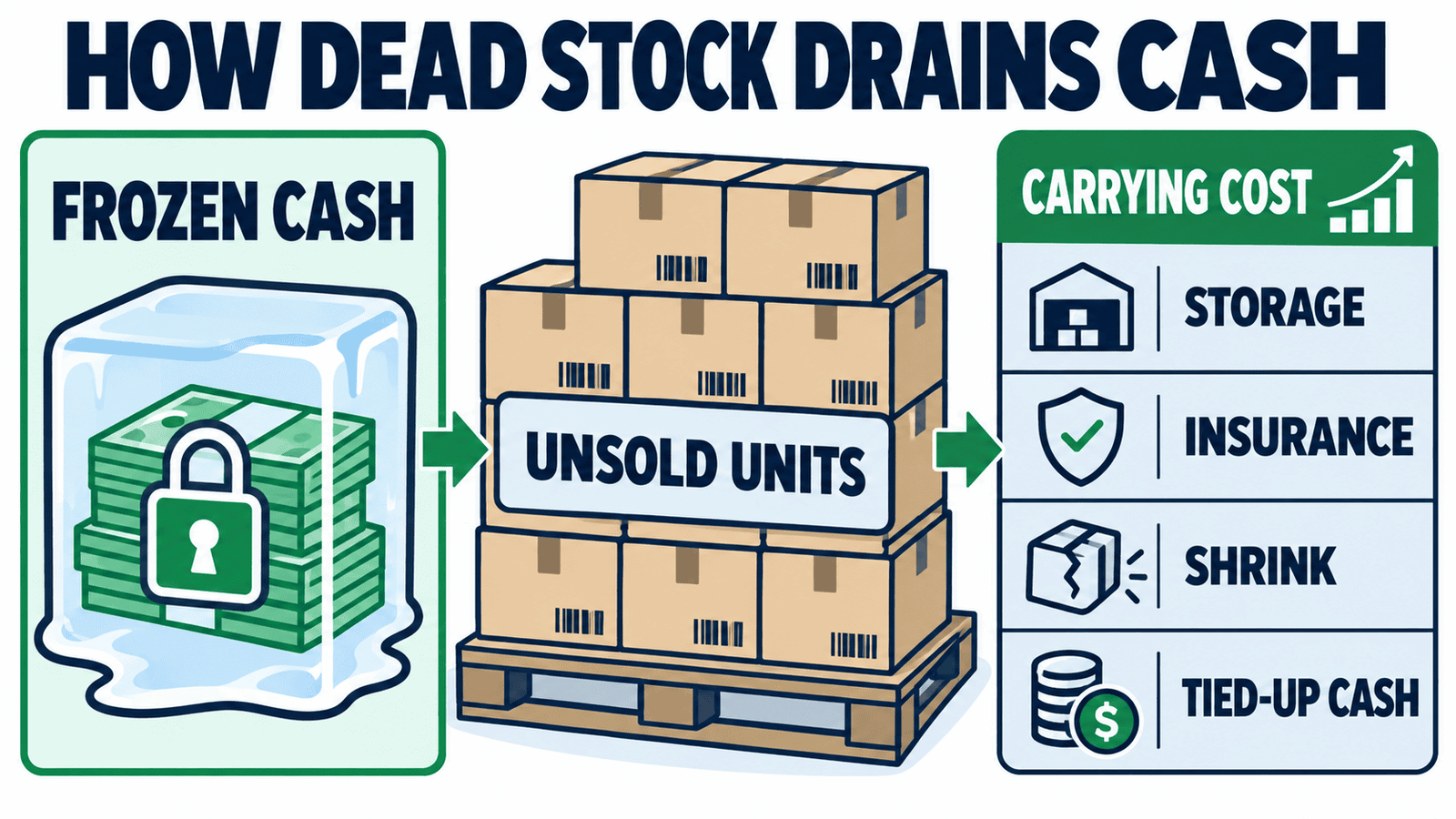
Key takeaways Deadstock is inventory that has stopped selling and probably won’t, which is different from slow-moving stock that still sells, just too slowly.
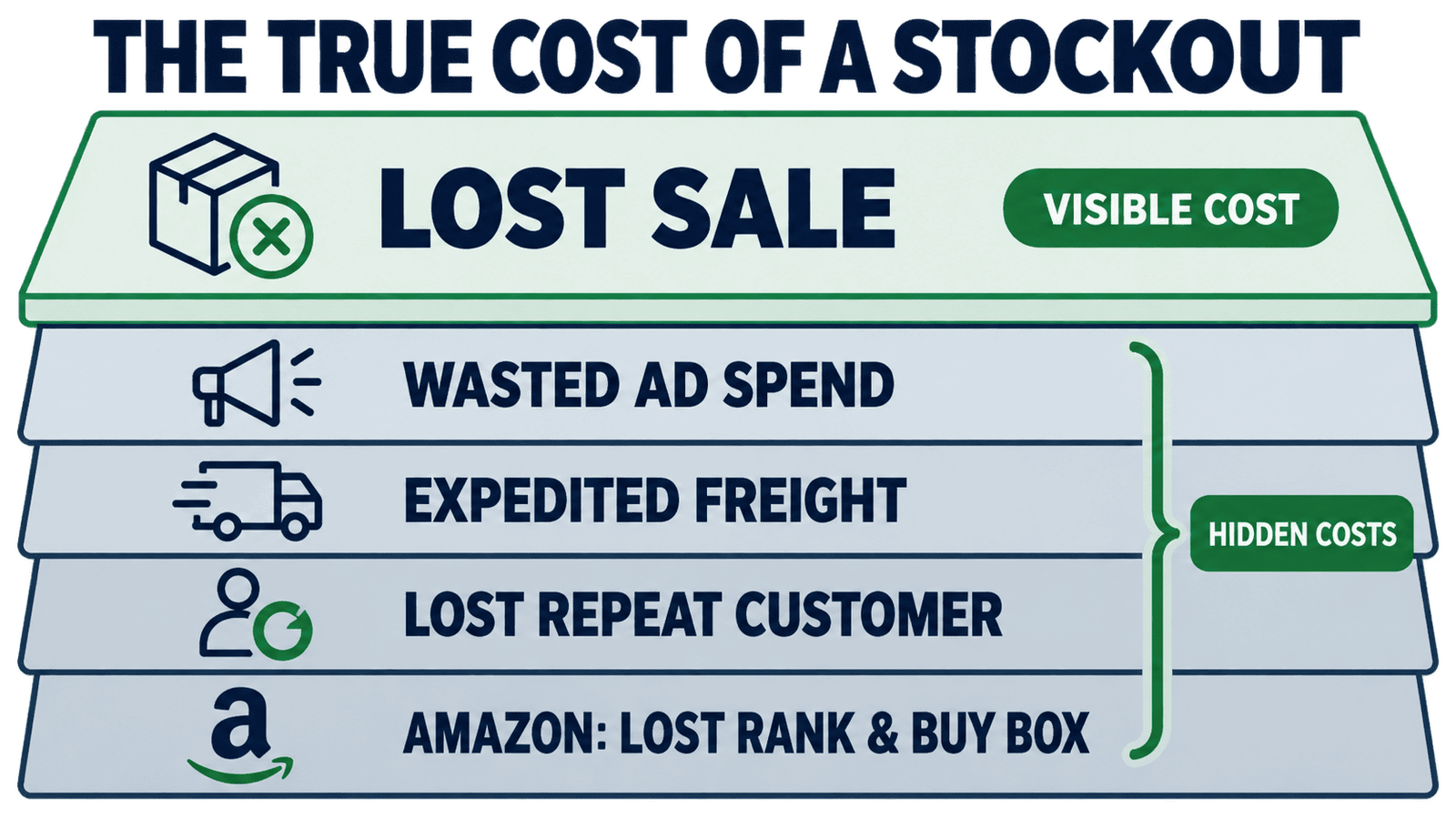
Key takeaways A stockout is having zero sellable units of a product when a customer wants to buy it. The visible cost is the
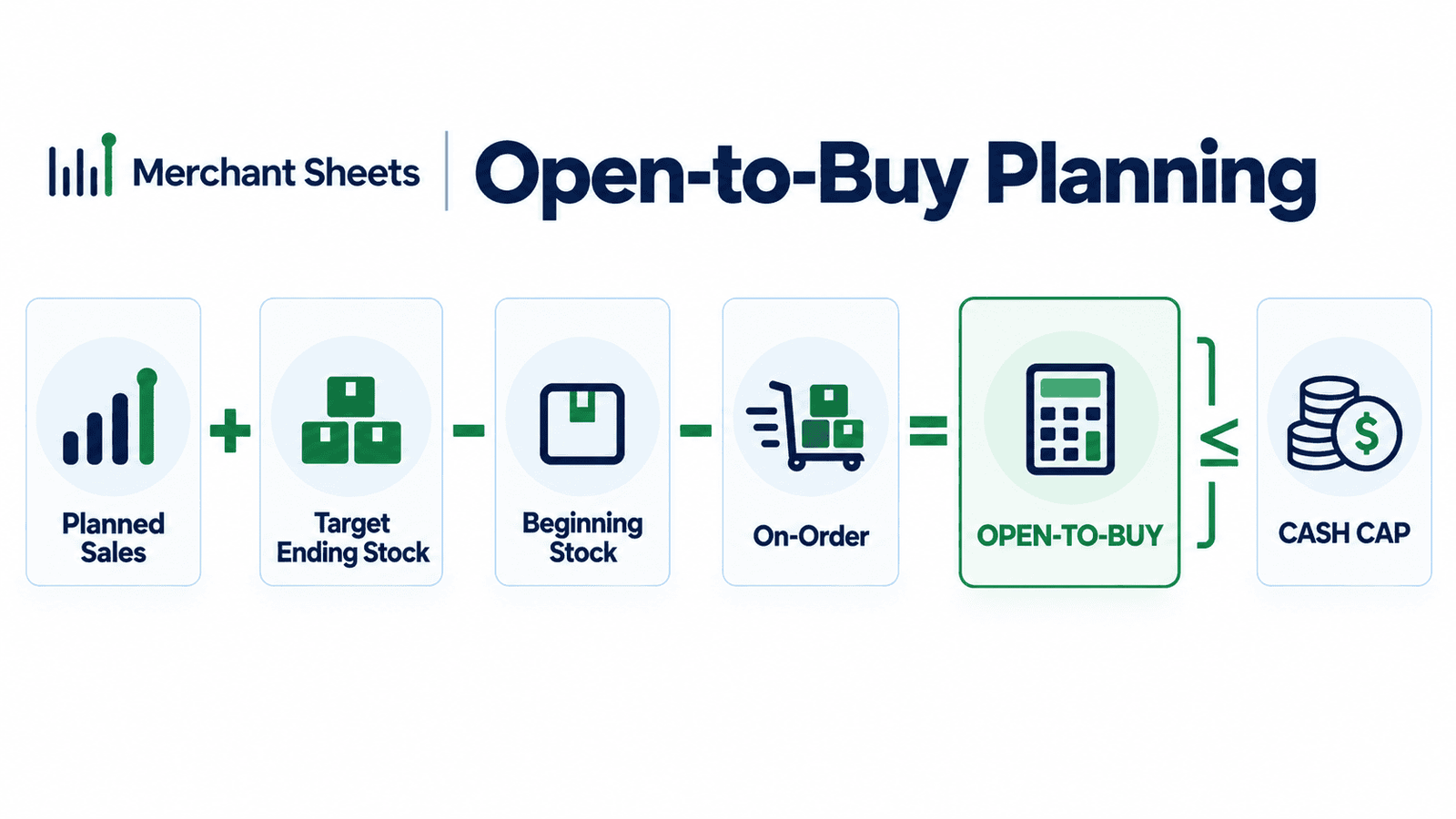
Key takeaways Open-to-buy (OTB) is the dollar budget for how much new inventory you can buy in a period while hitting your sales and
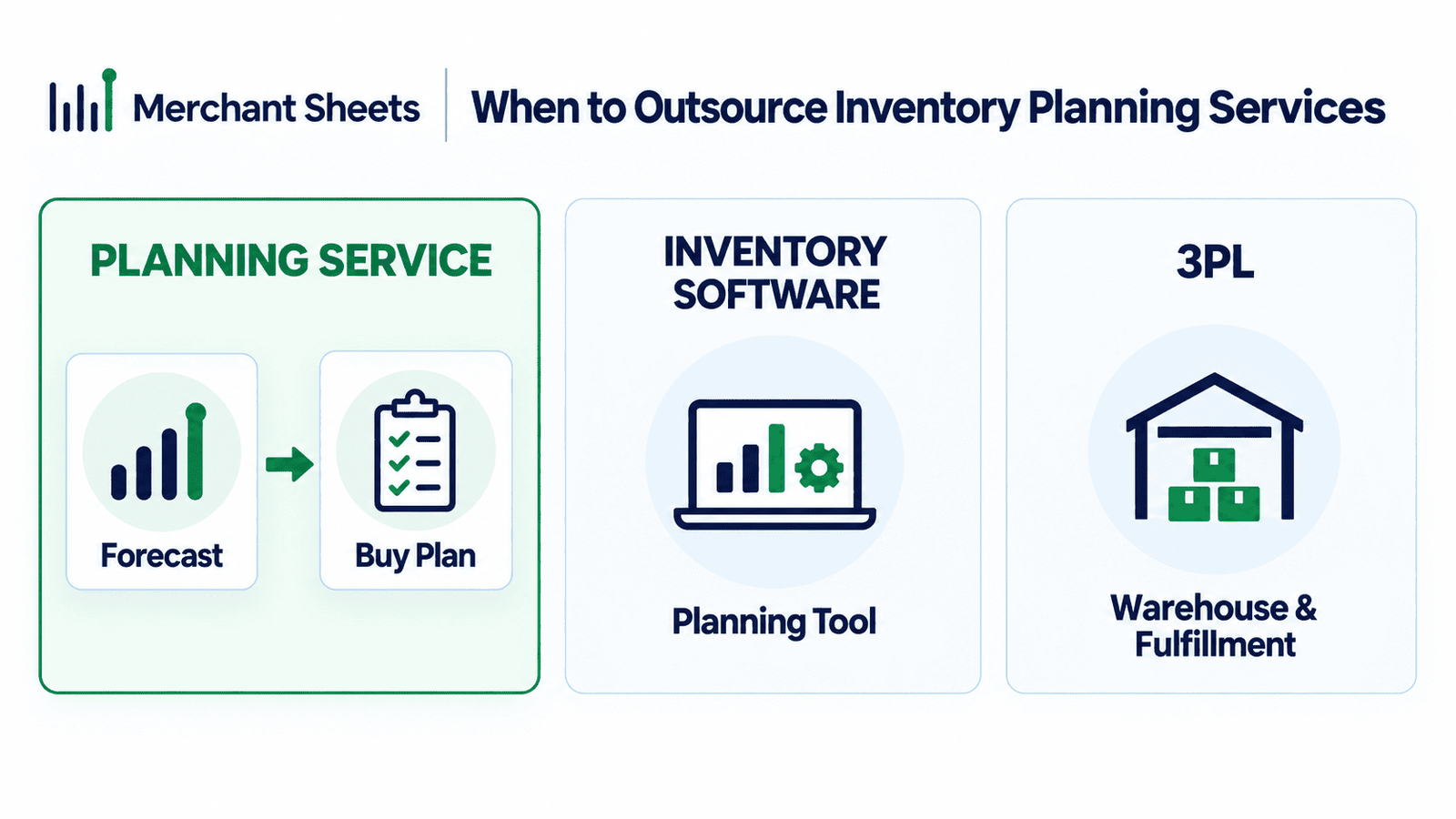
Key takeaways Inventory planning services outsource the planning function, the forecast, the reorder policy, and the buy plan, which is different from a 3PL
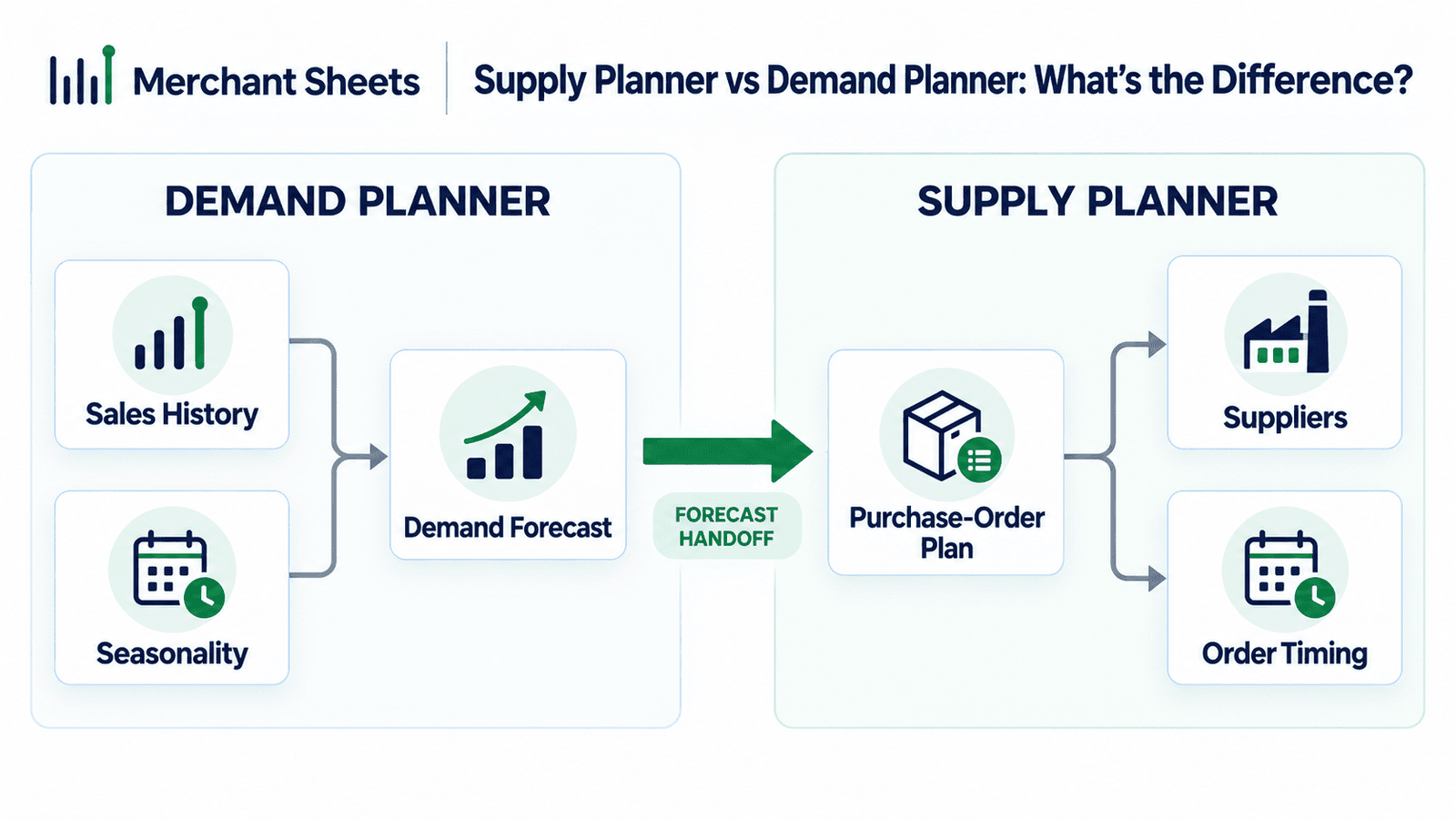
Key takeaways A demand planner forecasts what a business will sell and when; a supply planner decides how to meet that forecast through orders,
