Inventory Optimization: Free Up Cash Without Stocking Out
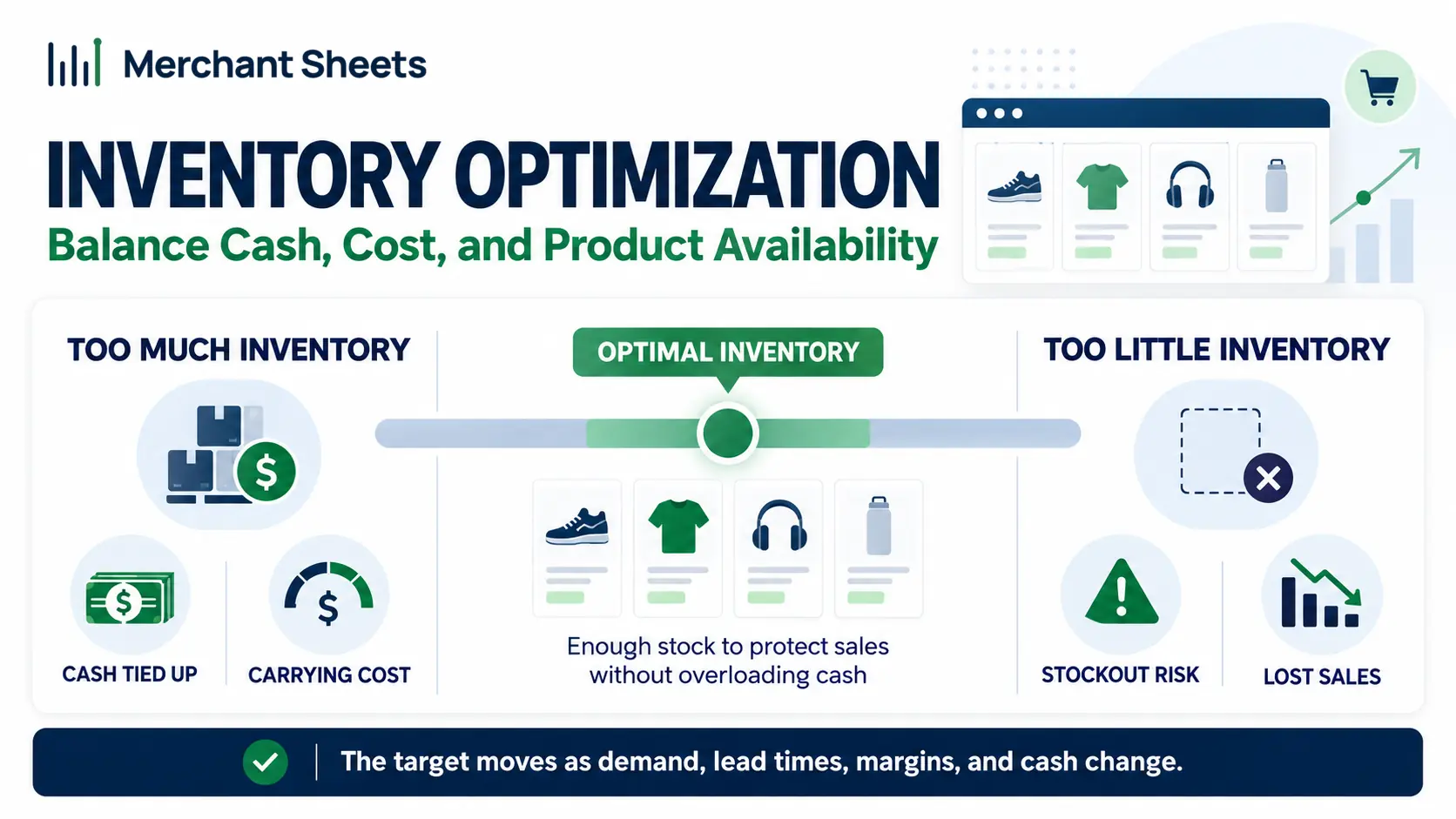
Key takeaways Inventory optimization is holding the right amount of each SKU to avoid stockouts while freeing the cash tied up in excess; it’s

Key takeaways Inventory optimization is holding the right amount of each SKU to avoid stockouts while freeing the cash tied up in excess; it’s
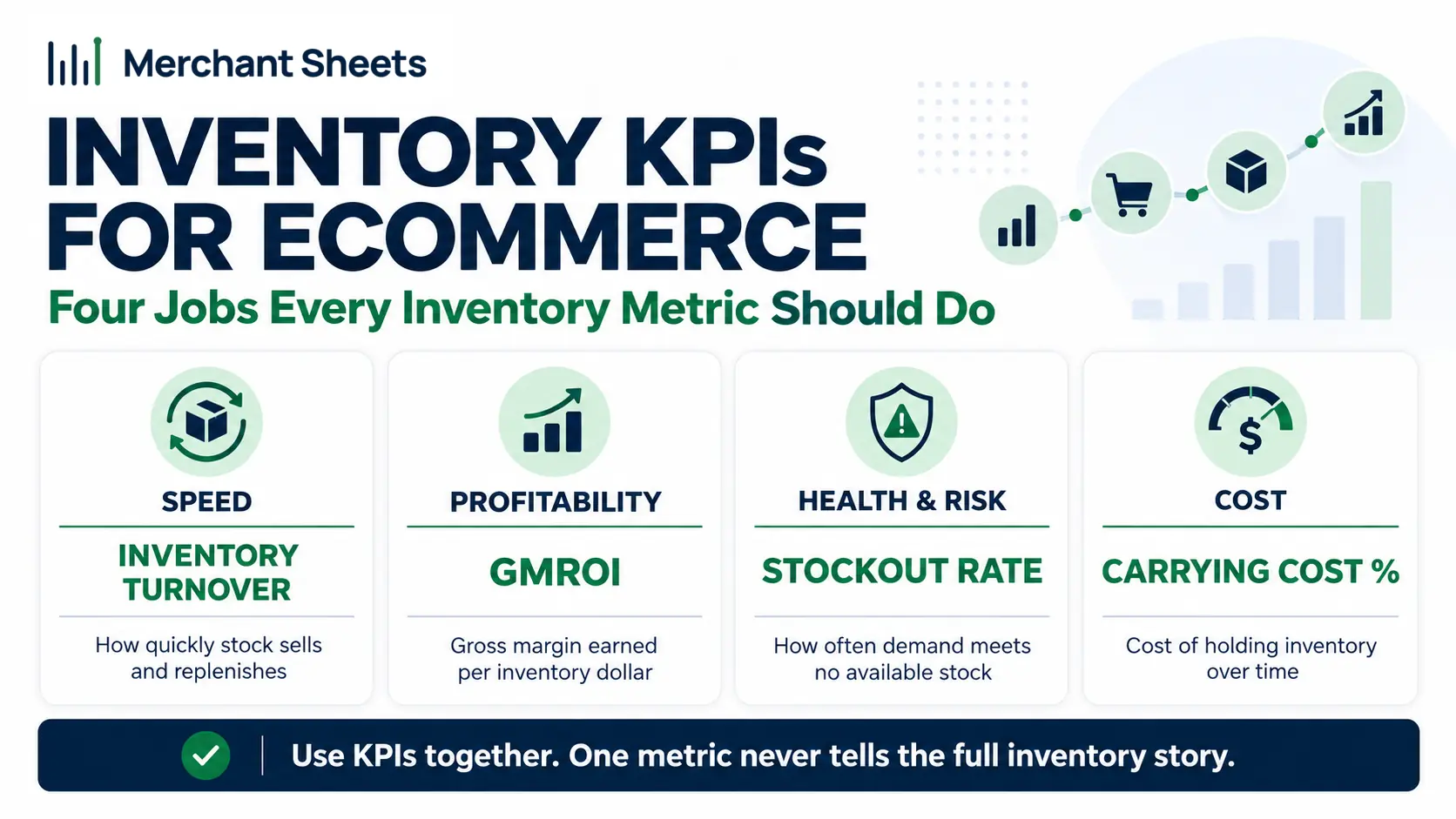
Key takeaways An inventory KPI is a number that tells you how well your stock is doing its job: selling fast enough, earning enough
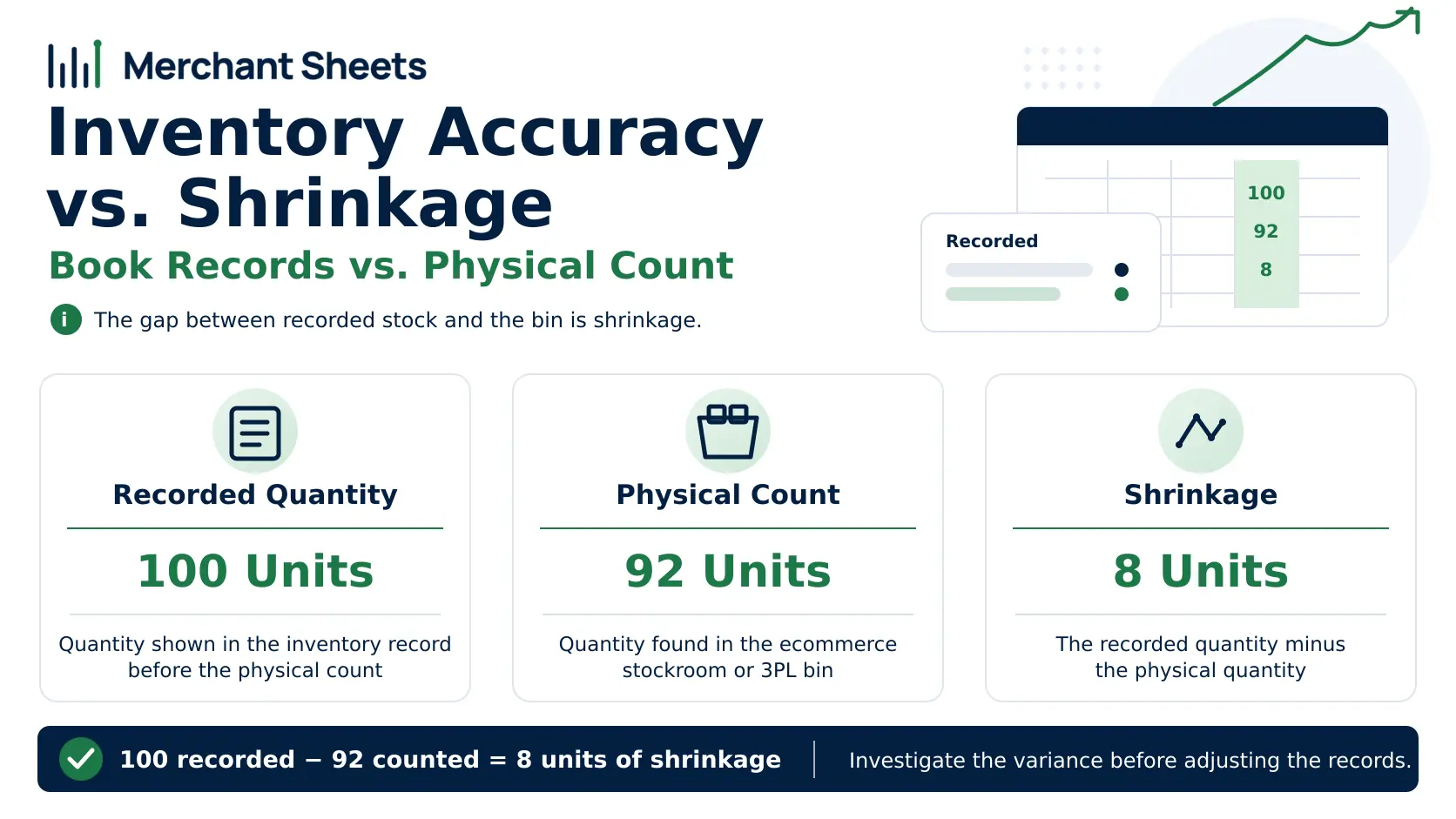
Key takeaways Inventory accuracy is how closely your records match what’s physically there; shrinkage is the specific loss when the real count comes up
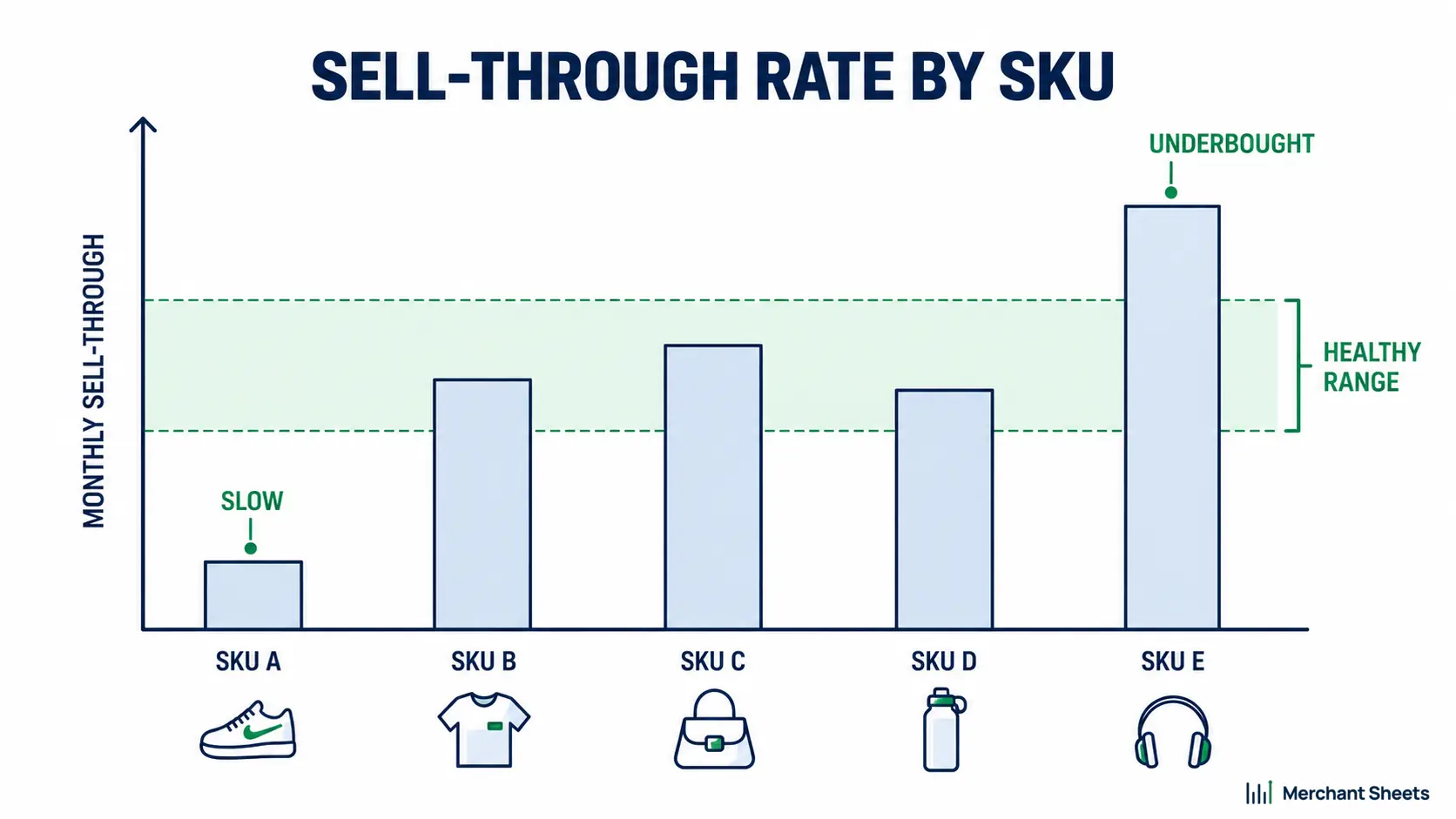
Key takeaways Sell-through rate is the share of a product you received that you sold in a period, usually a month: units sold divided
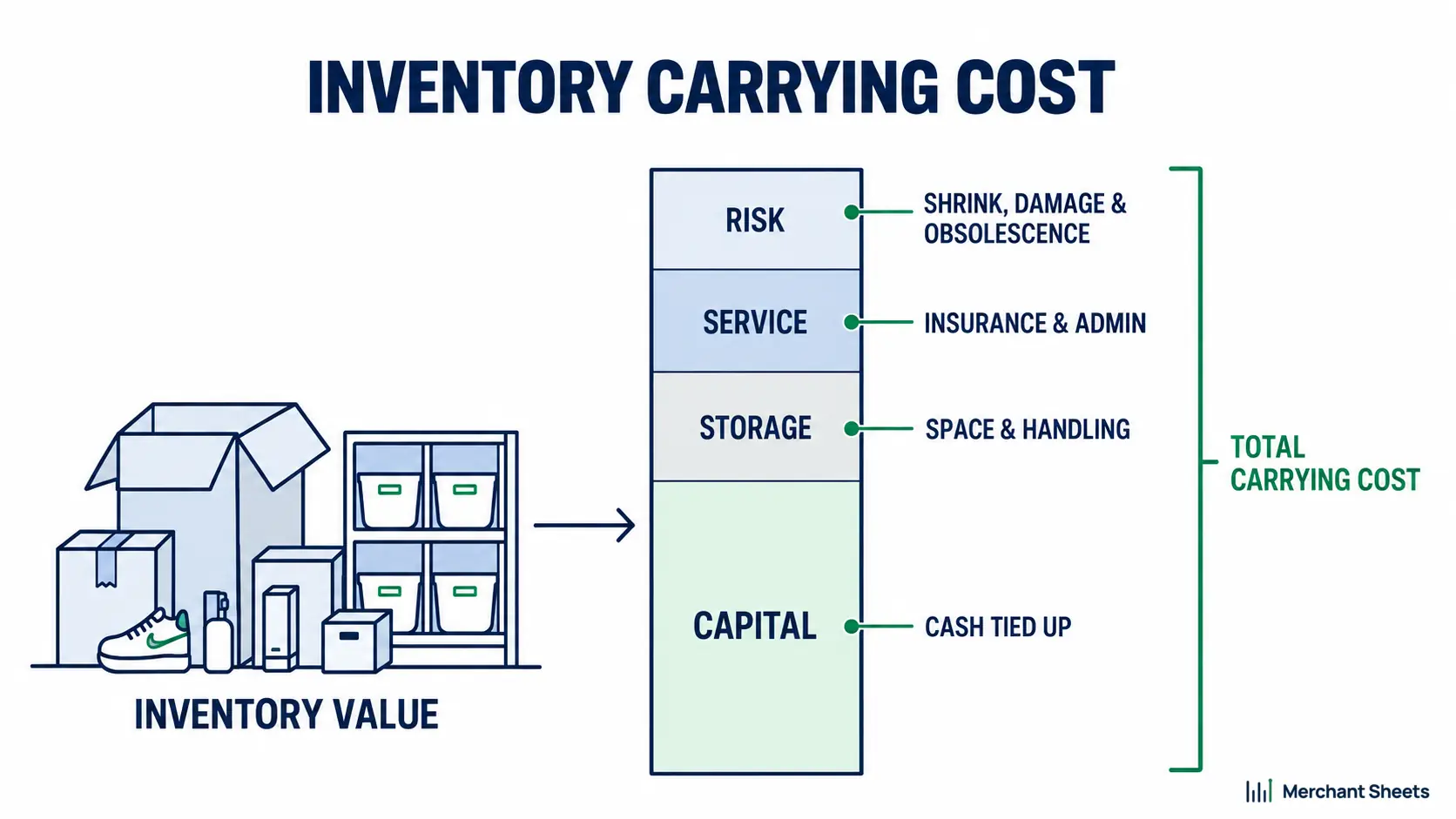
Key takeaways Inventory carrying cost, also called holding cost, is the total cost of keeping unsold stock for a period, and it’s usually 20%
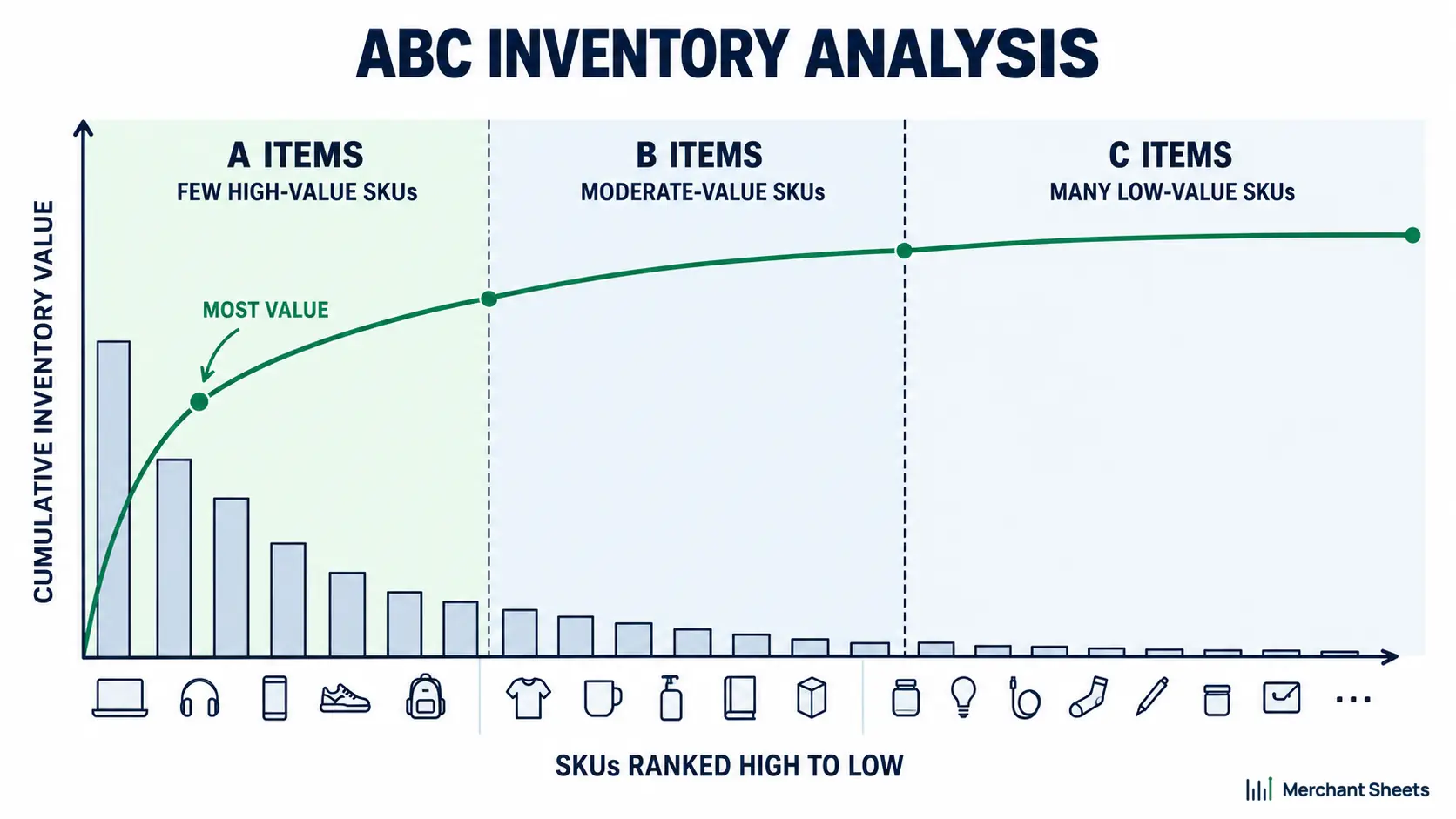
Key takeaways ABC inventory analysis sorts your SKUs into three classes by how much each one matters, so a small group of high-impact items
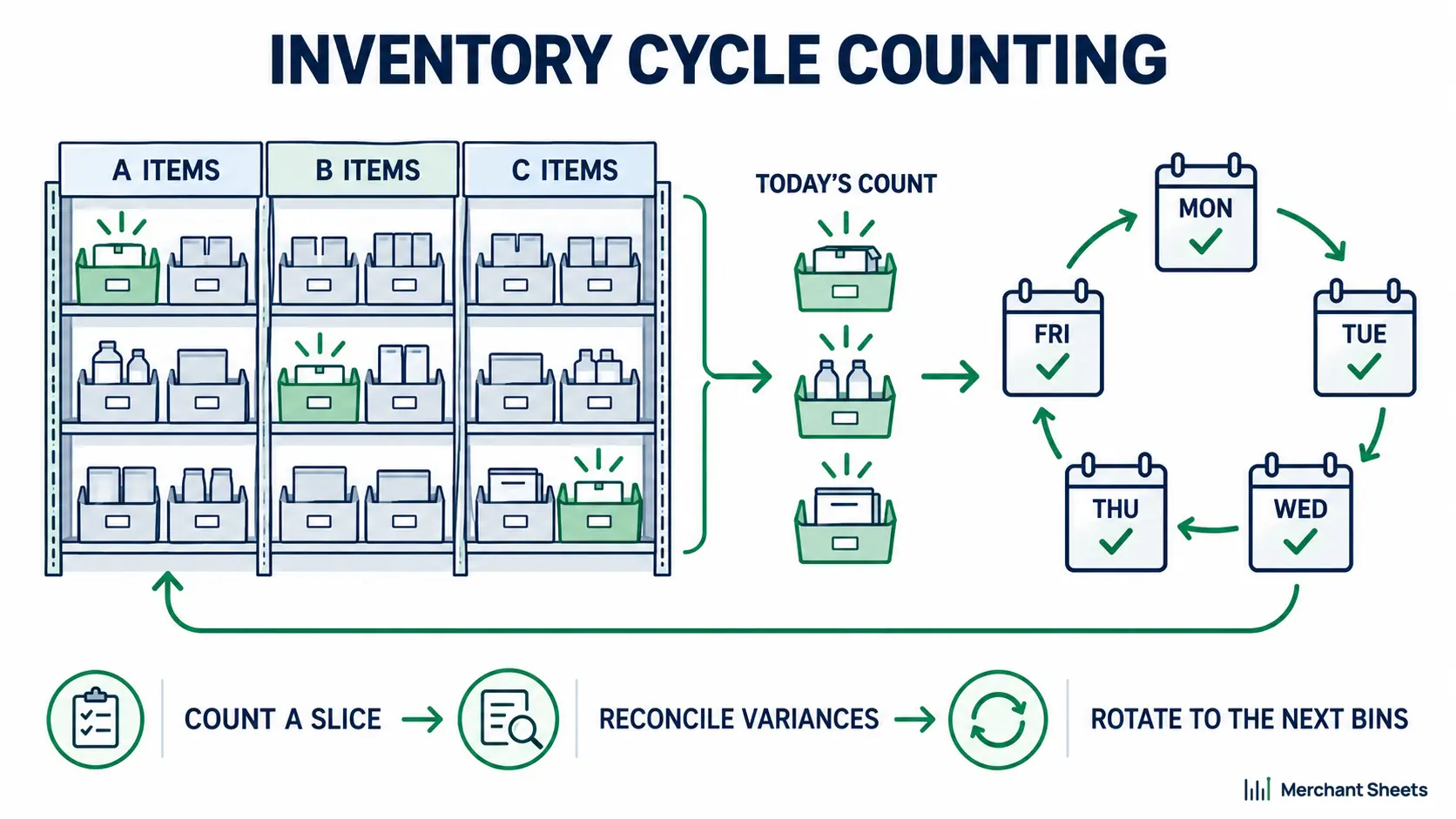
Key takeaways Cycle counting is counting a small subset of your inventory on a rotating schedule, so the whole catalog gets verified over time
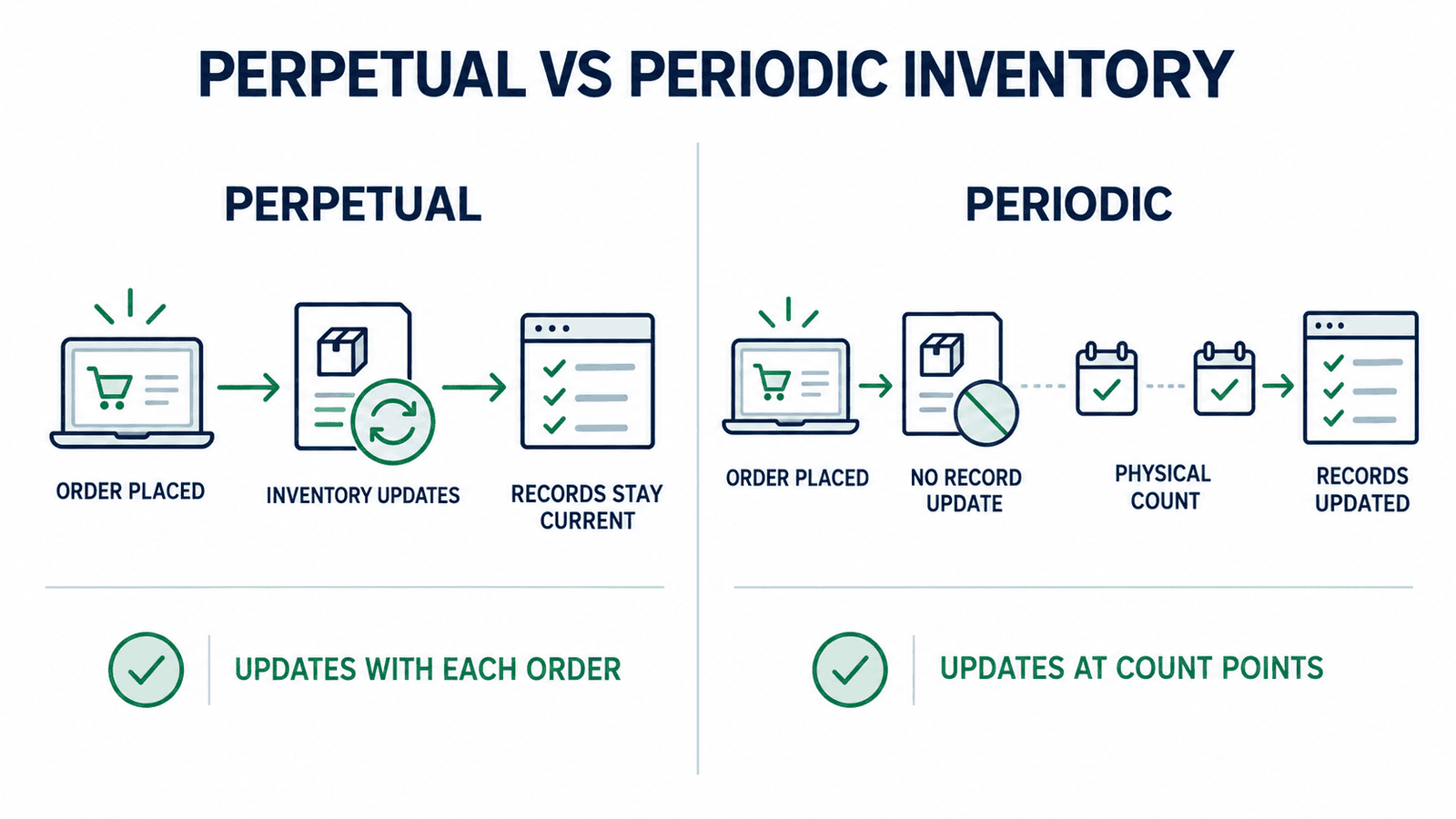
Key takeaways A perpetual inventory system updates your quantity on hand and cost of goods sold in real time, on every purchase and sale;
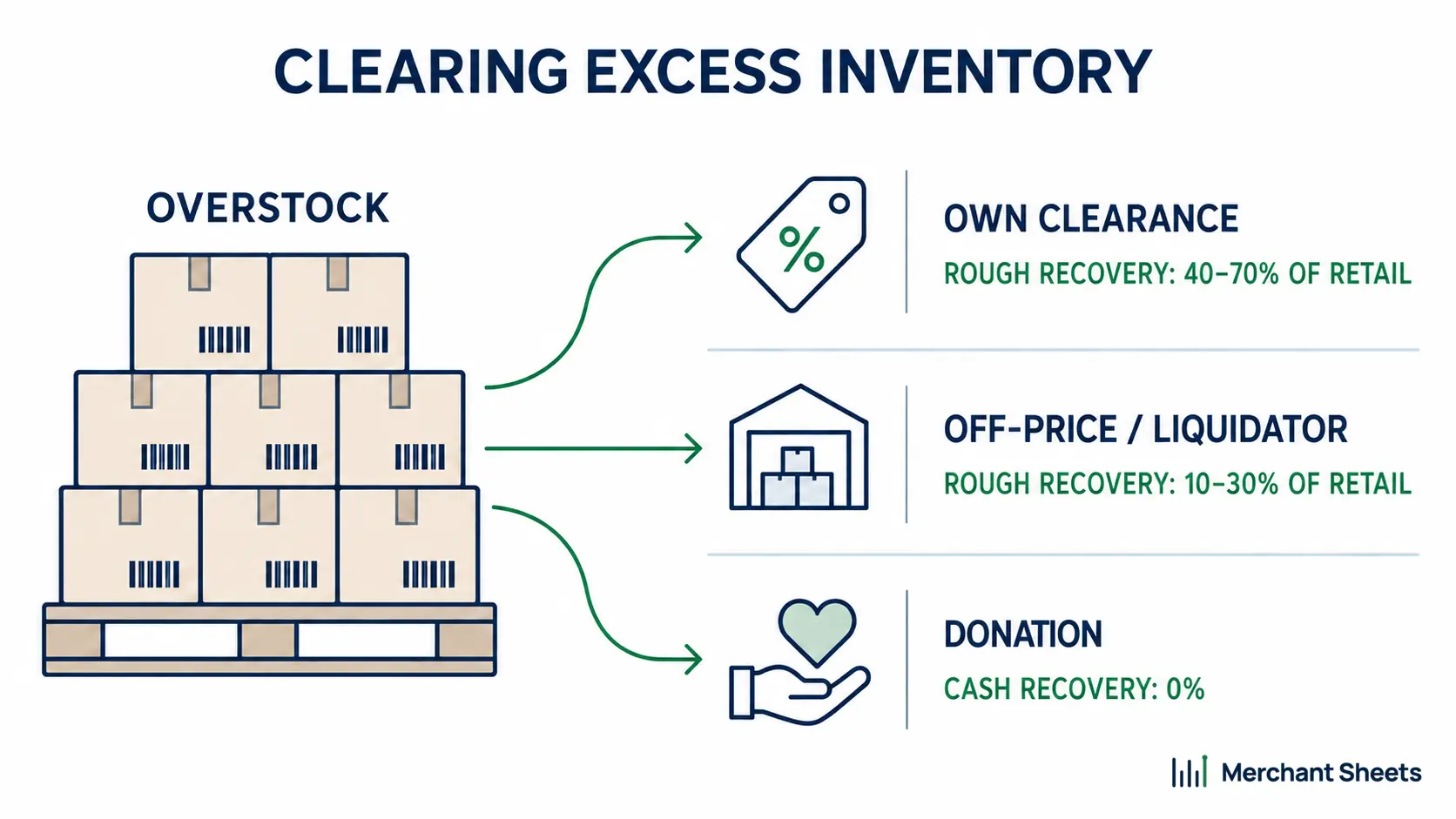
Key takeaways Overstock, or excess inventory, is more of a product than demand supports. It still sells, which is what separates it from dead
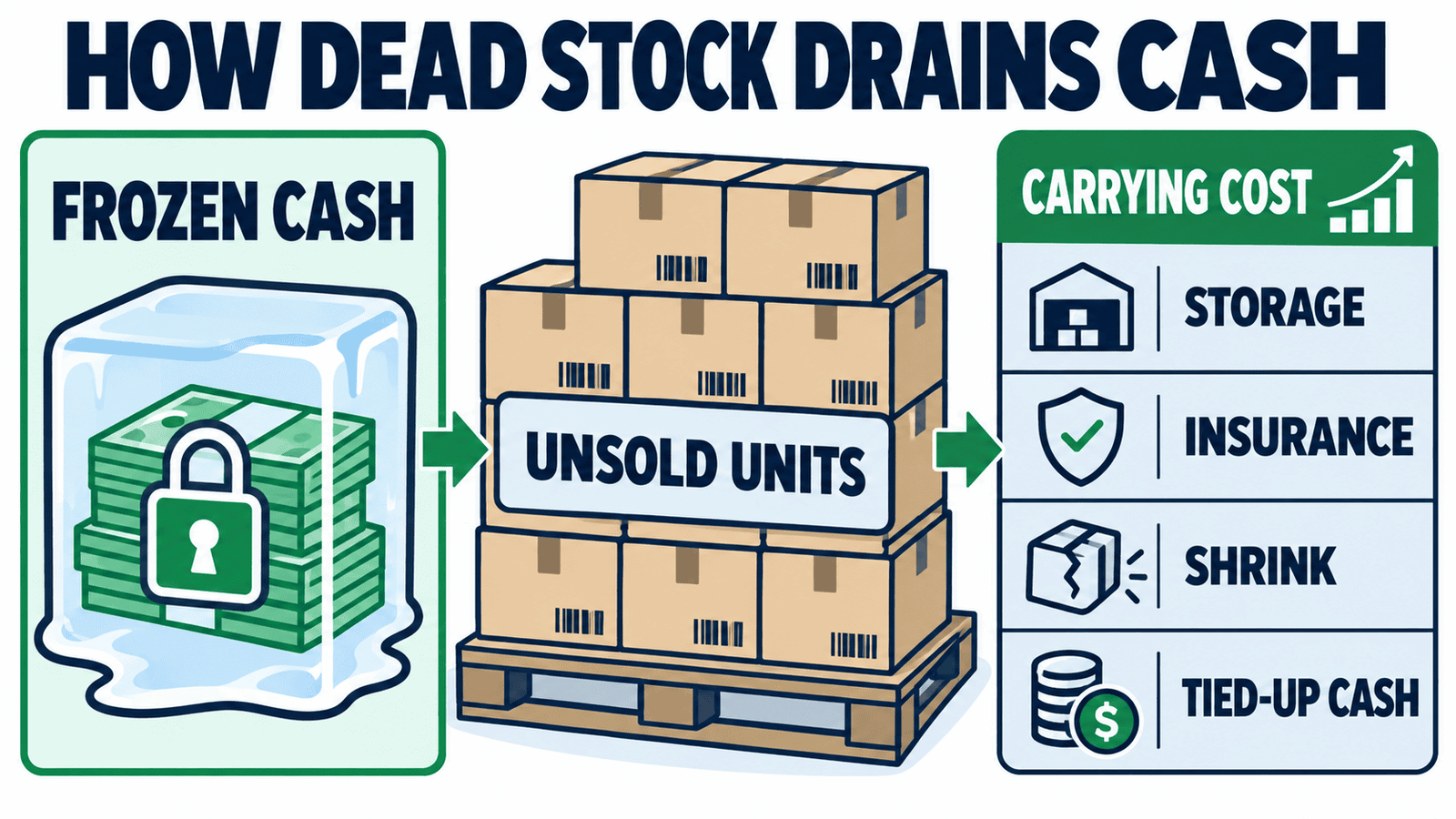
Key takeaways Deadstock is inventory that has stopped selling and probably won’t, which is different from slow-moving stock that still sells, just too slowly.
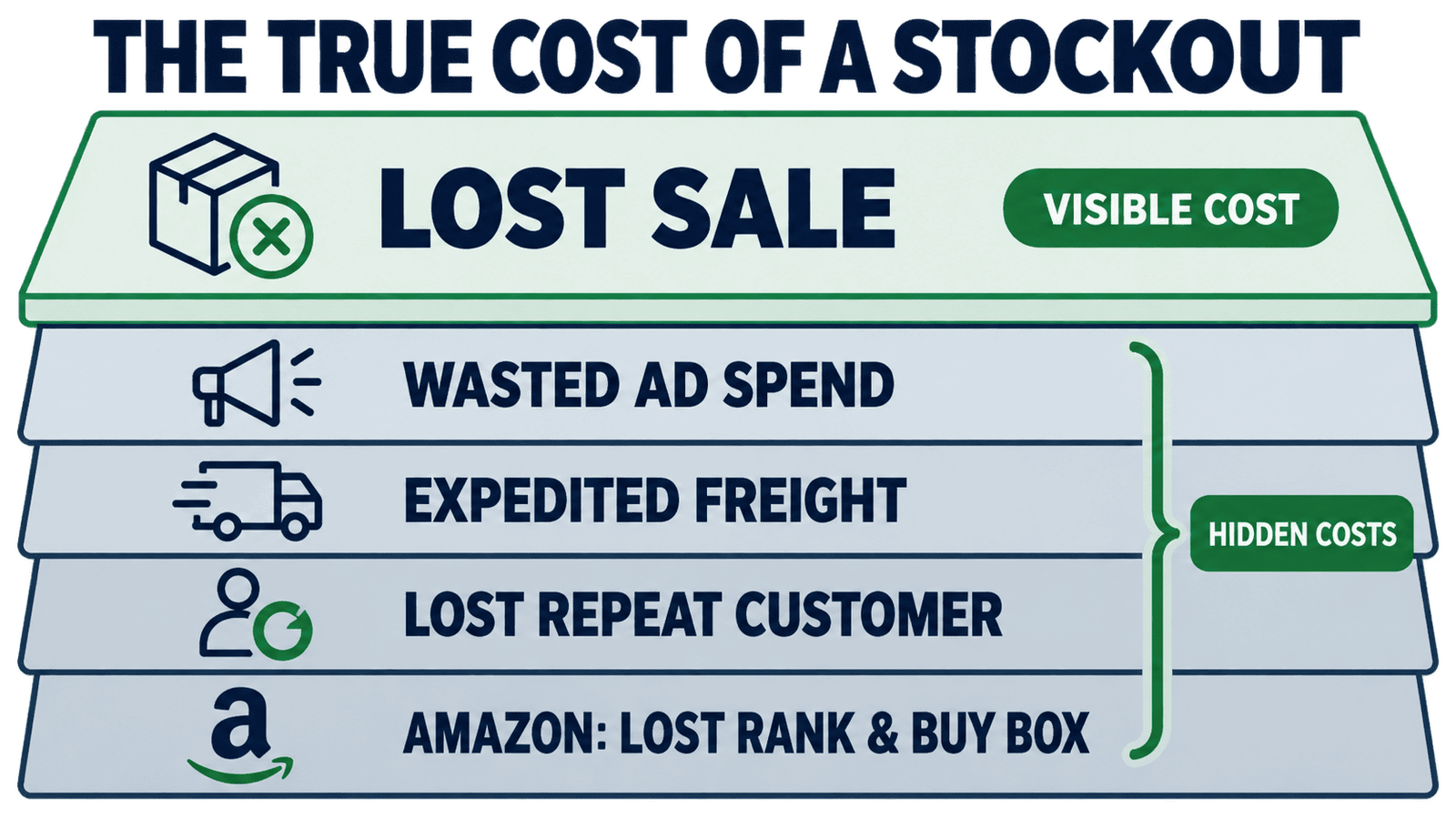
Key takeaways A stockout is having zero sellable units of a product when a customer wants to buy it. The visible cost is the
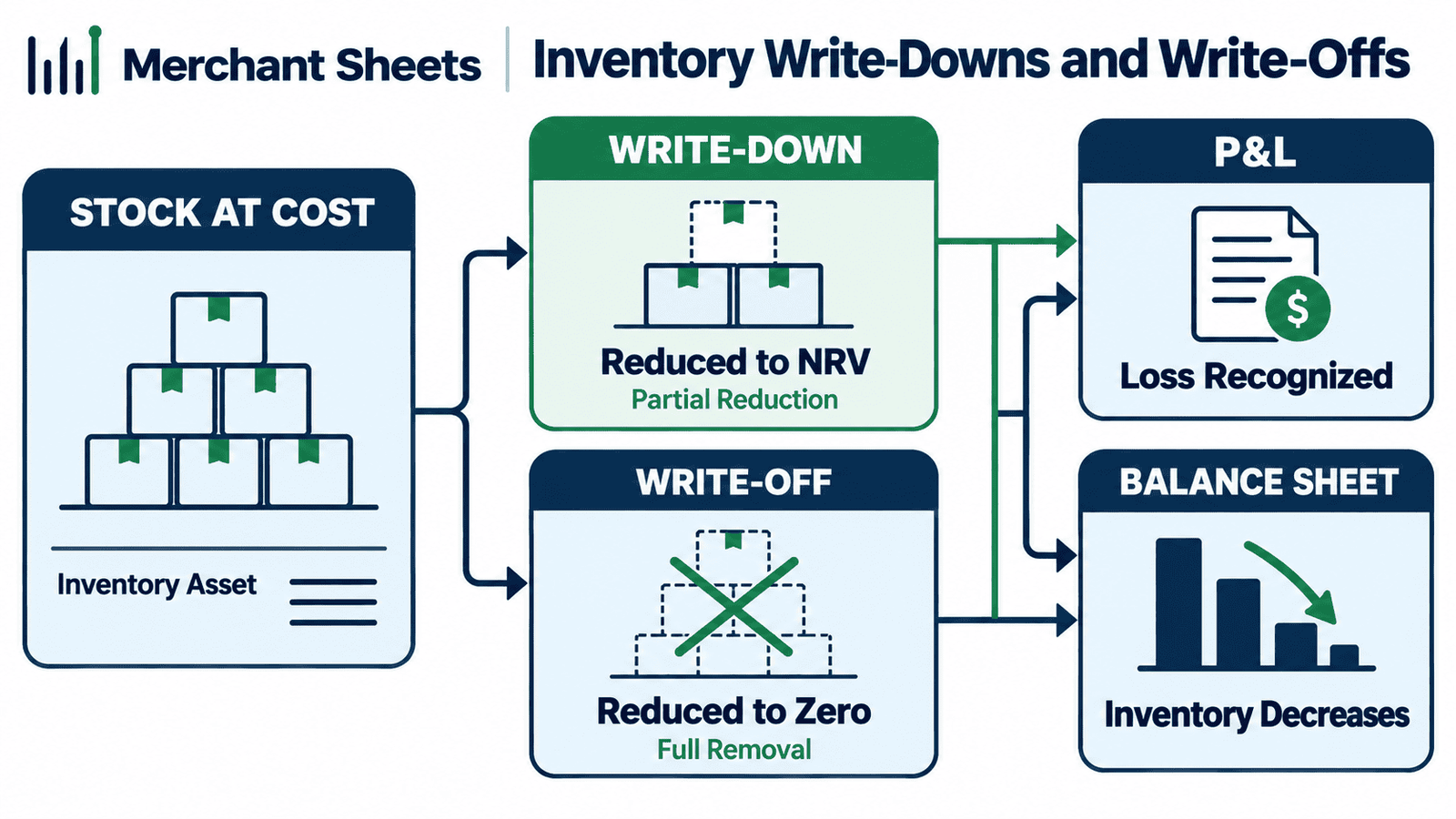
Key takeaways A write-down and a write-off are two sizes of the same move. A write-down cuts inventory’s value to what it’s now worth;
