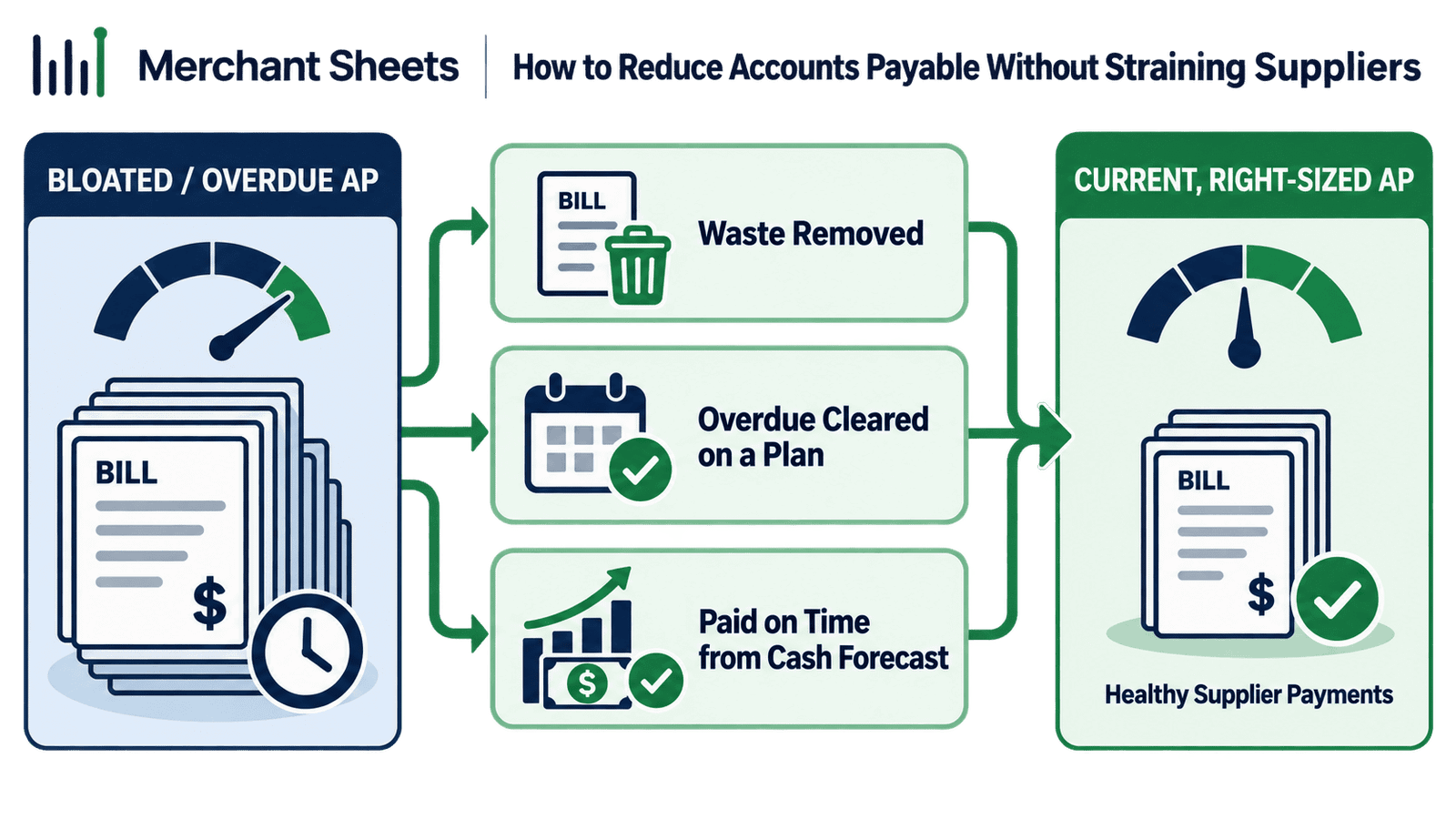
How to Reduce Accounts Payable Without Straining Suppliers
Your accounts payable balance has crept up, some of it’s past due, and a key supplier just asked when they’ll be paid. The answer

Your accounts payable balance has crept up, some of it’s past due, and a key supplier just asked when they’ll be paid. The answer
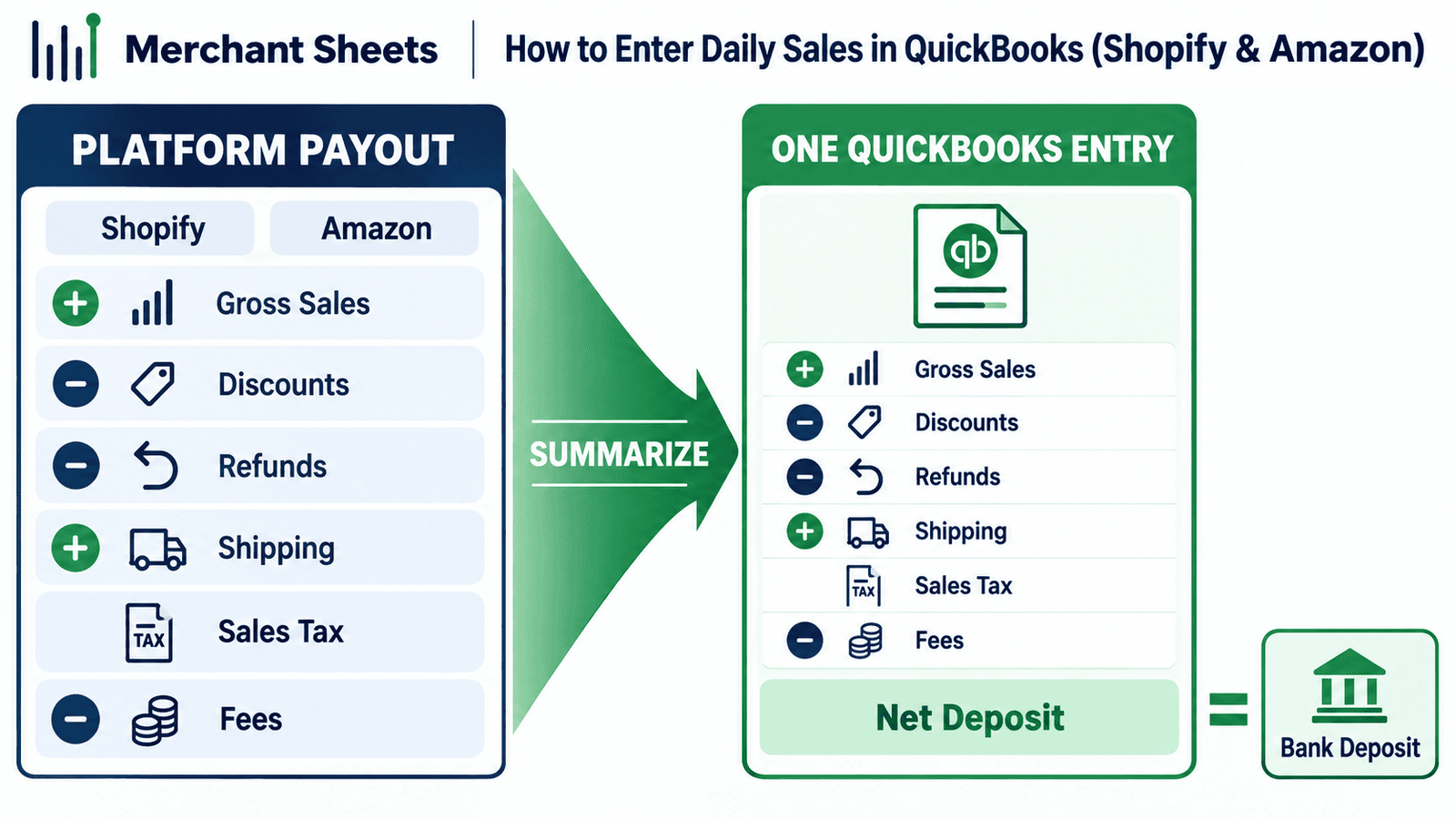
Key takeaways Recording ecommerce sales means posting one summarized entry that captures gross sales, discounts, refunds, shipping, sales tax collected, and platform fees, and
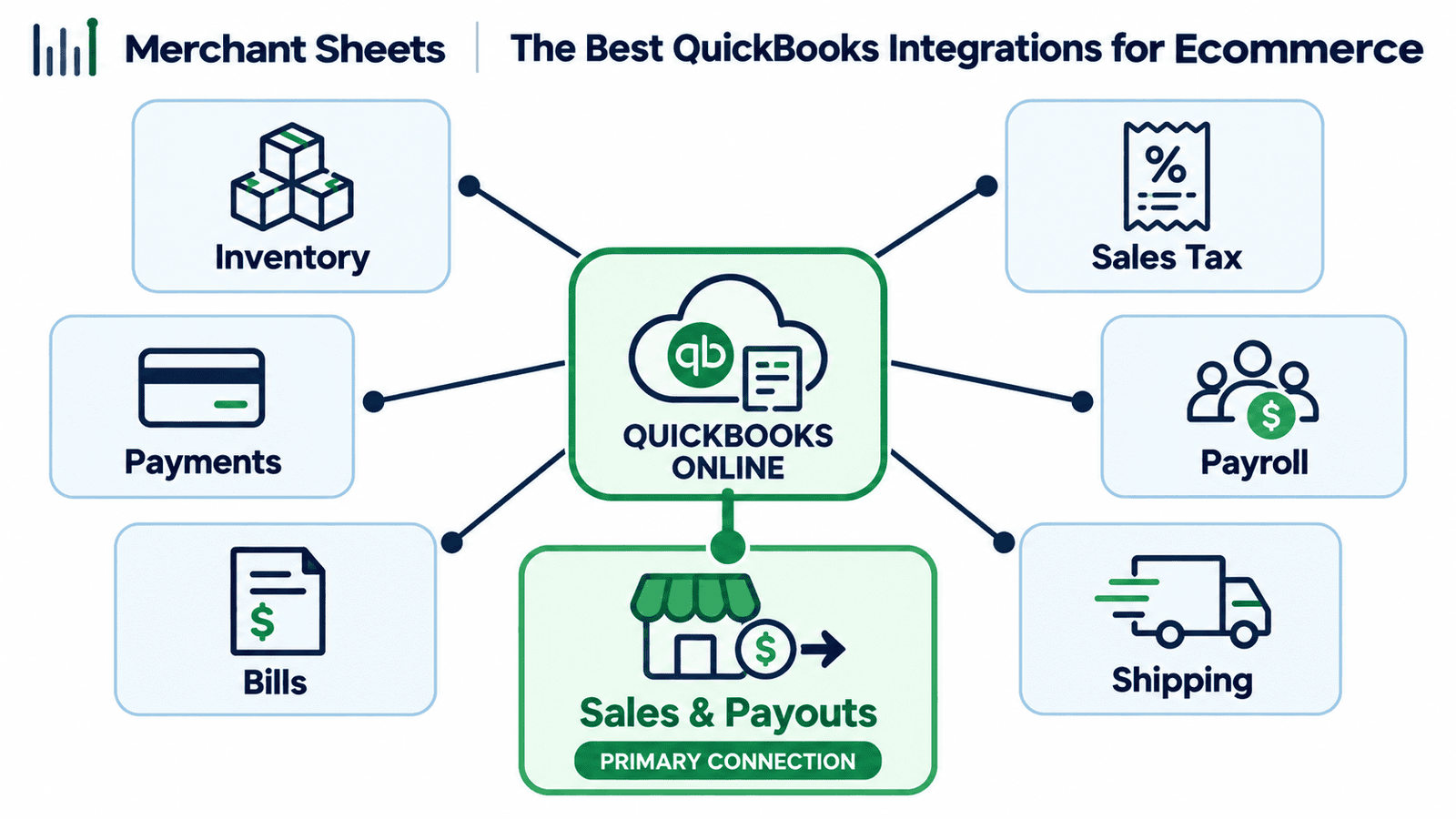
Key takeaways The QuickBooks integrations that matter for ecommerce cover four jobs: getting sales and payouts into the books, tracking inventory and COGS, handling
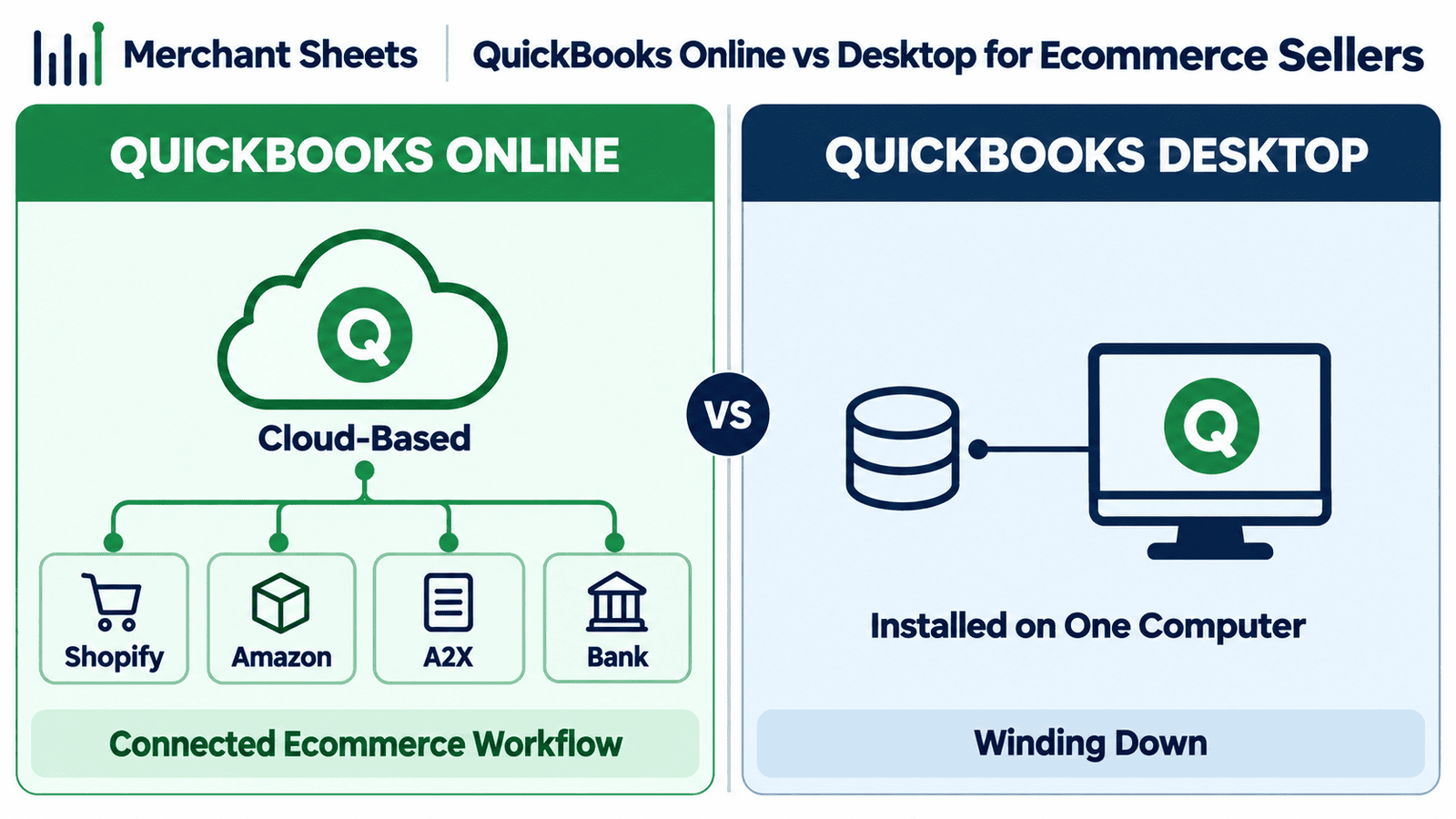
Key takeaways For a new ecommerce business, QuickBooks Online is the practical choice; QuickBooks Desktop is a local program that Intuit is winding down.
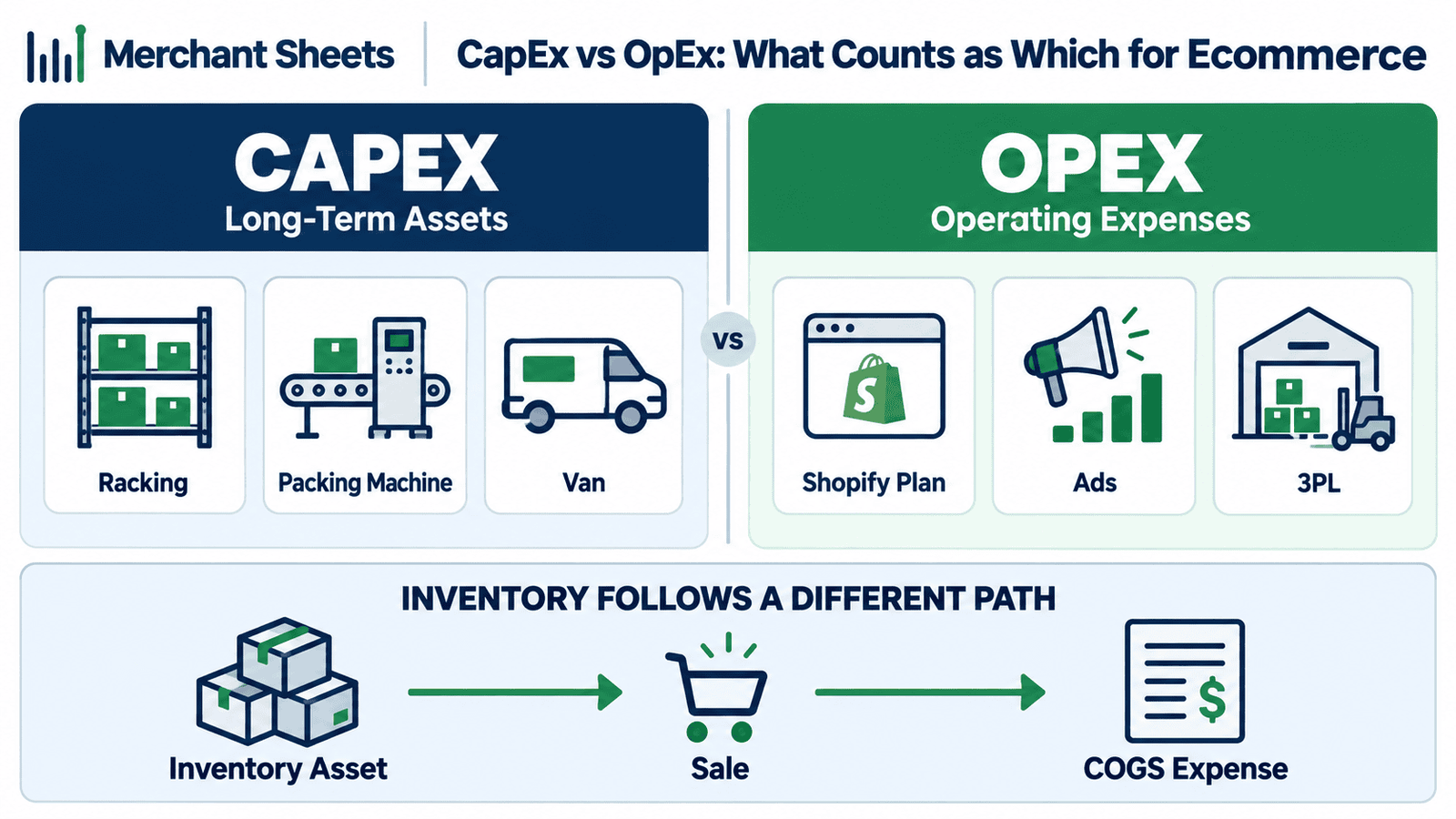
Key takeaways A capital expenditure (CapEx) buys or improves a long-lived asset you’ll use for more than a year; it goes on your balance
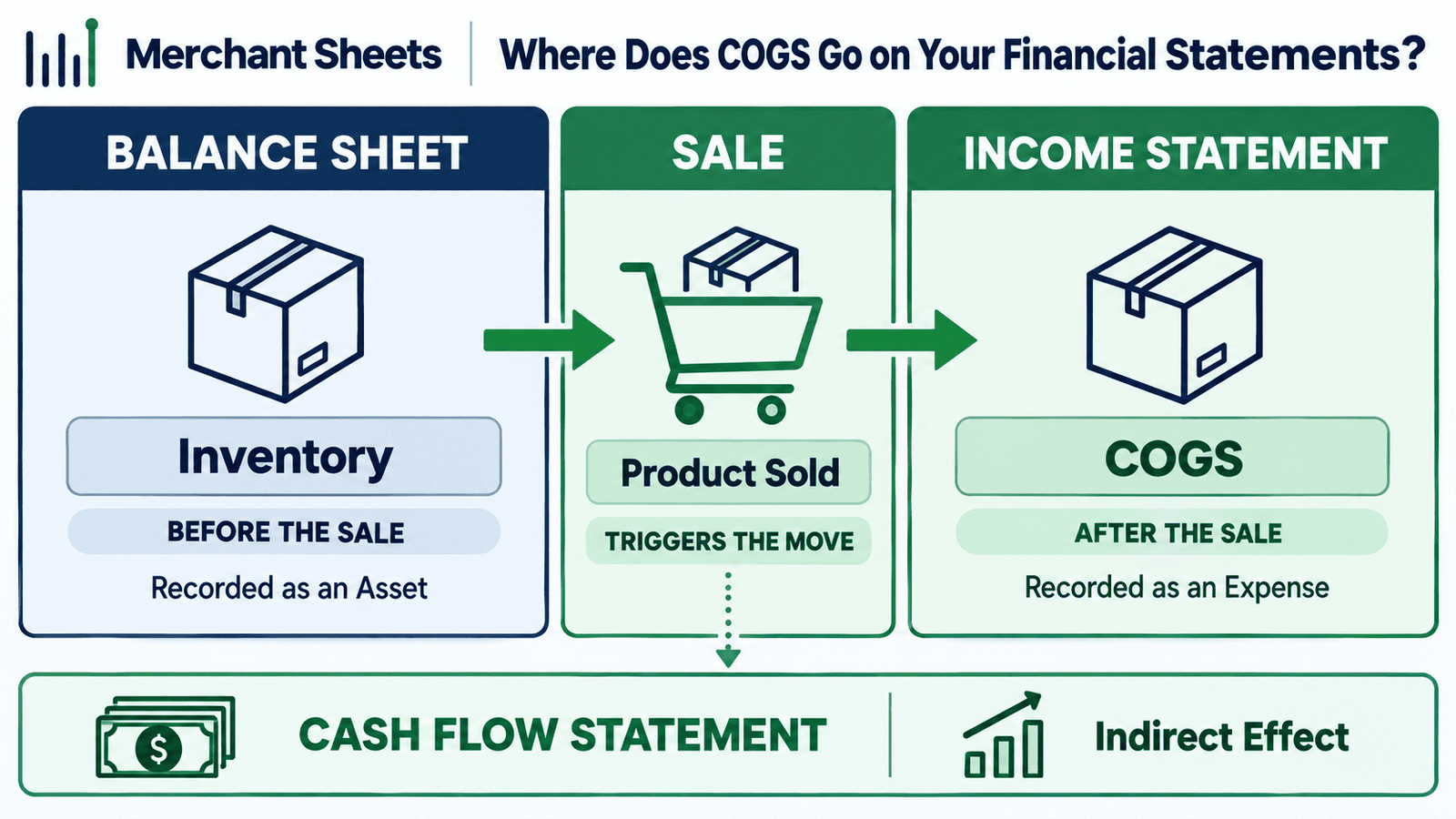
Key takeaways Cost of goods sold (COGS) goes on your income statement, where it’s subtracted from revenue to give gross profit. COGS is not
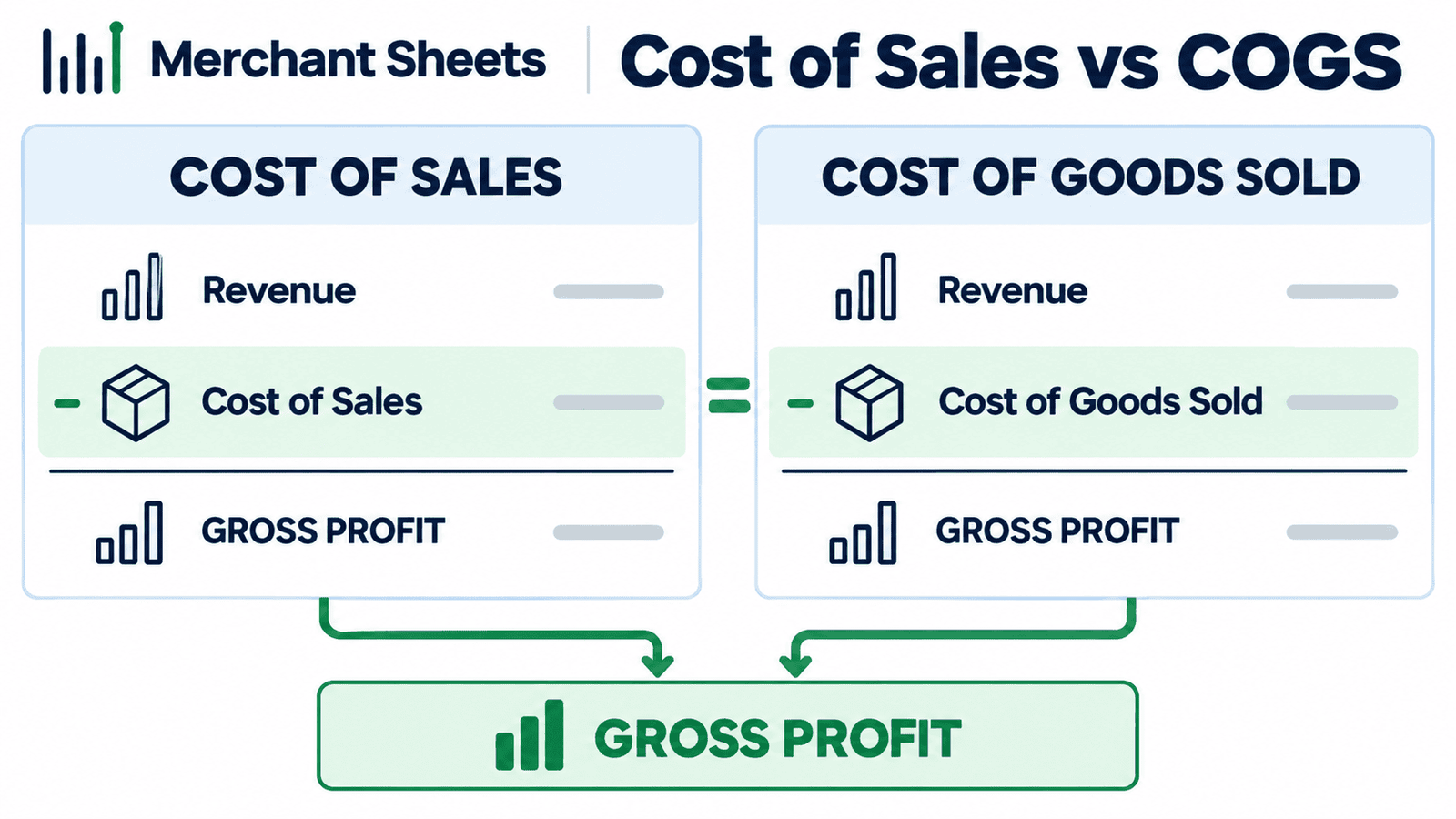
Key takeaways For a business that sells physical products, cost of sales and cost of goods sold (COGS) are the same thing: two names
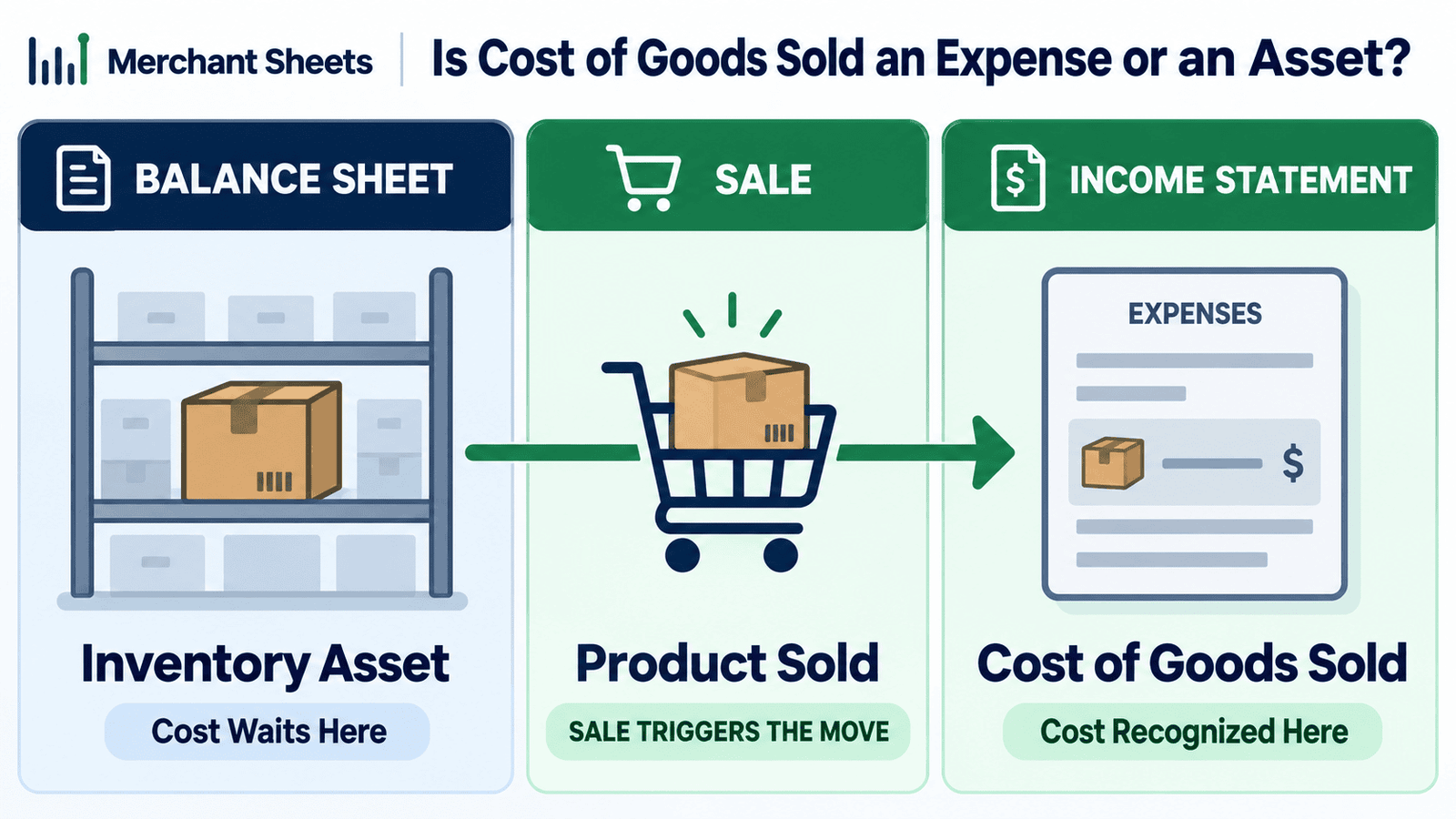
Key takeaways Cost of goods sold (COGS) is an expense, and it lives on your income statement. The inventory that COGS comes from is
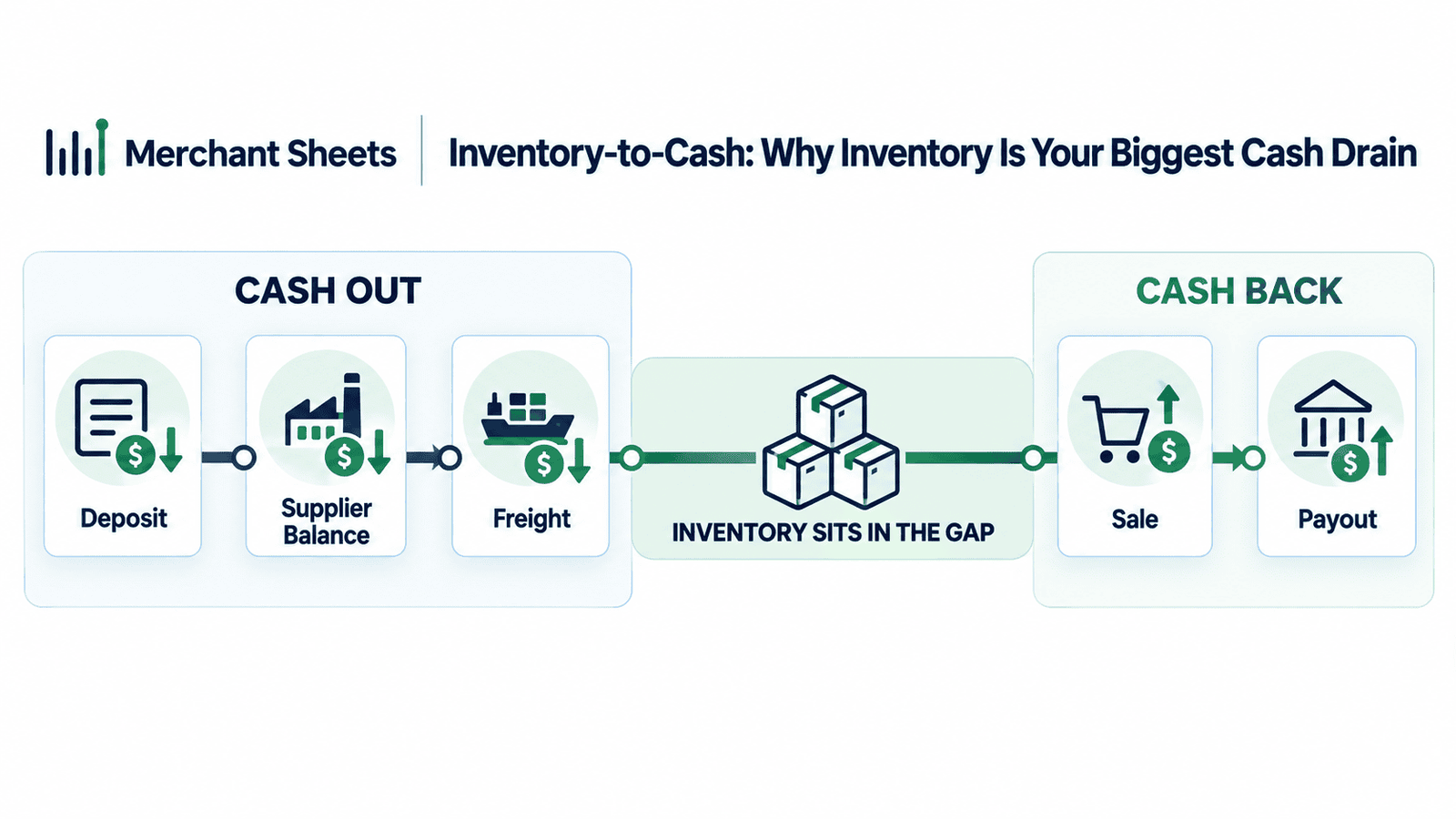
Key takeaways The inventory-to-cash cycle is the gap between paying a supplier for stock and collecting cash from the customer who eventually buys it;
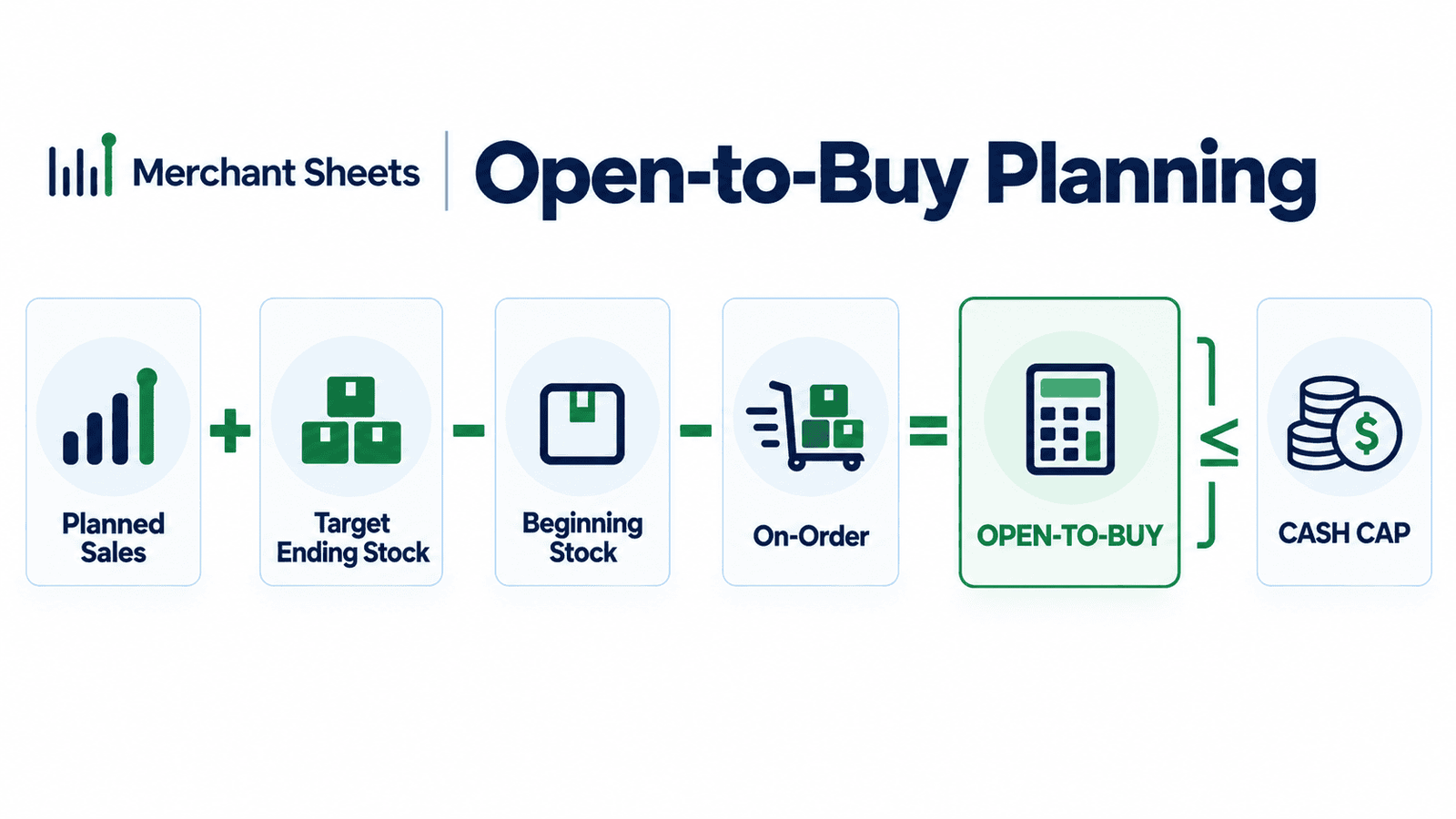
Key takeaways Open-to-buy (OTB) is the dollar budget for how much new inventory you can buy in a period while hitting your sales and
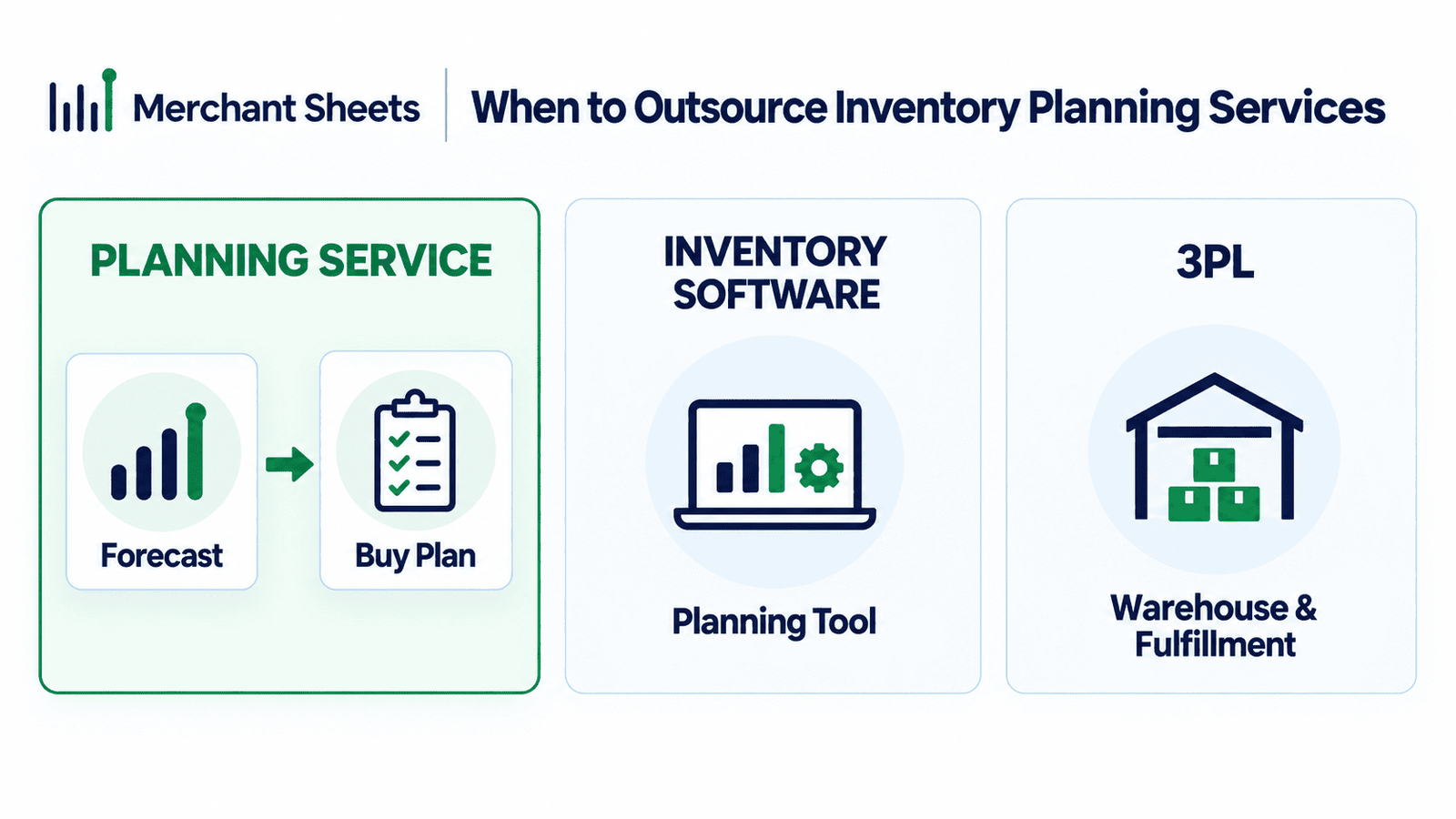
Key takeaways Inventory planning services outsource the planning function, the forecast, the reorder policy, and the buy plan, which is different from a 3PL
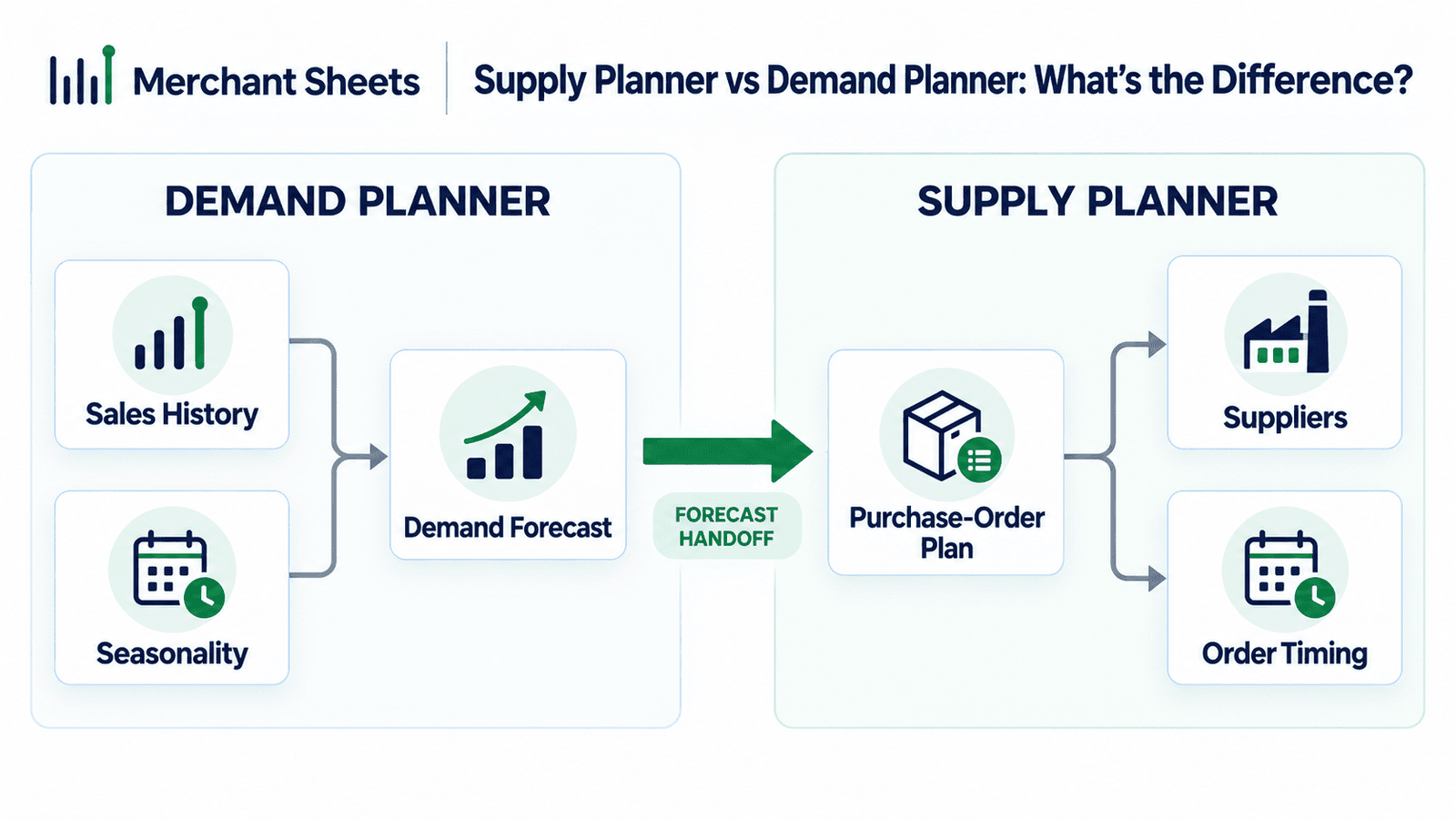
Key takeaways A demand planner forecasts what a business will sell and when; a supply planner decides how to meet that forecast through orders,
