
Earnouts Explained: How Deferred Payouts Work in a Sale
Key takeaways An earnout is a portion of a business’s sale price the seller collects after closing, and only if the business hits agreed

Key takeaways An earnout is a portion of a business’s sale price the seller collects after closing, and only if the business hits agreed
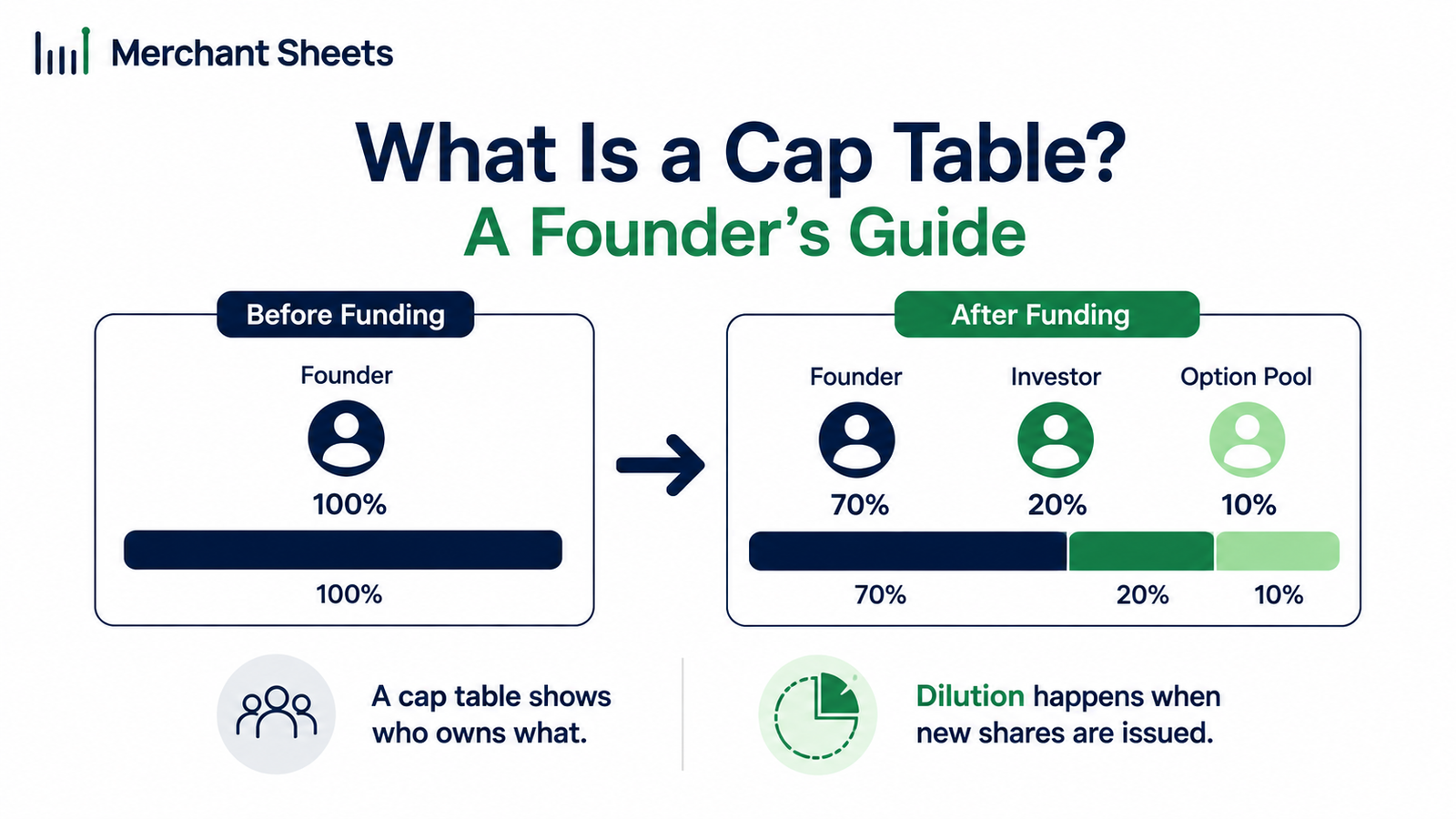
Key takeaways A cap table (capitalization table) is a record of who owns your company, listing every shareholder and their shares, options, and convertible
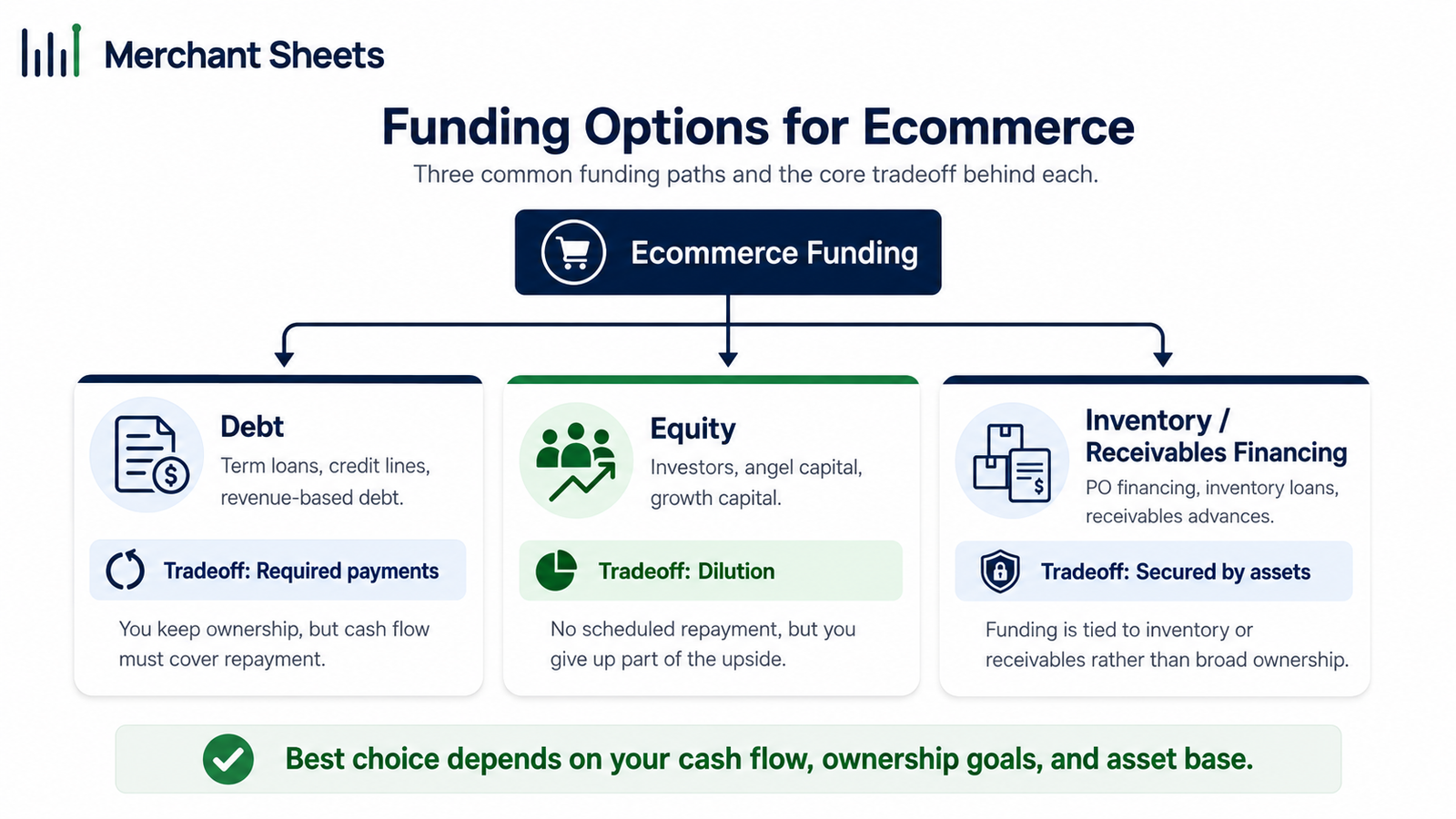
Key takeaways Ecommerce funding falls into three families: debt (you borrow and repay with interest), equity (you sell ownership for capital you don’t repay),
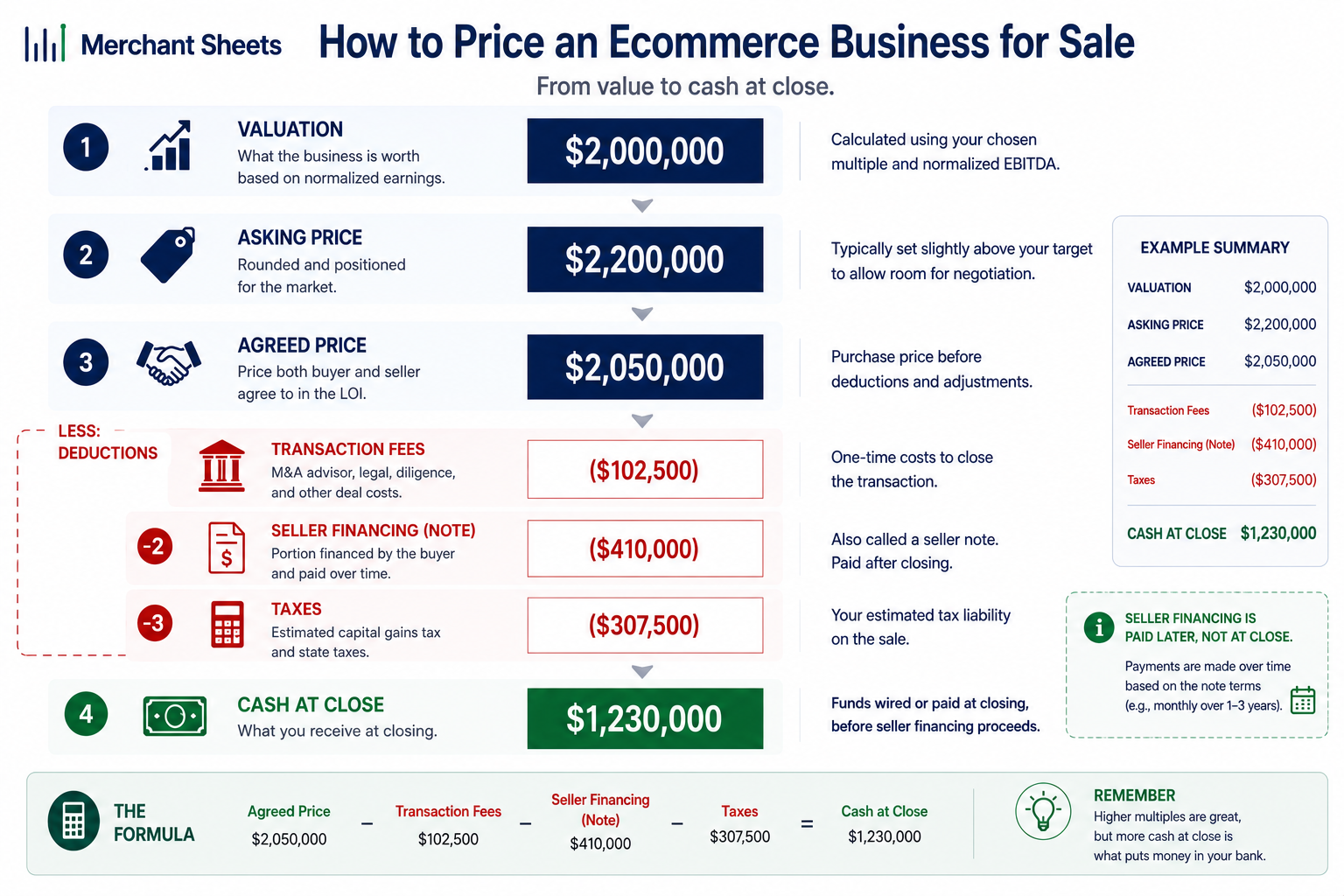
Key takeaways Pricing a business for sale starts from its valuation, an earnings figure times a multiple plus inventory at cost, then turns that
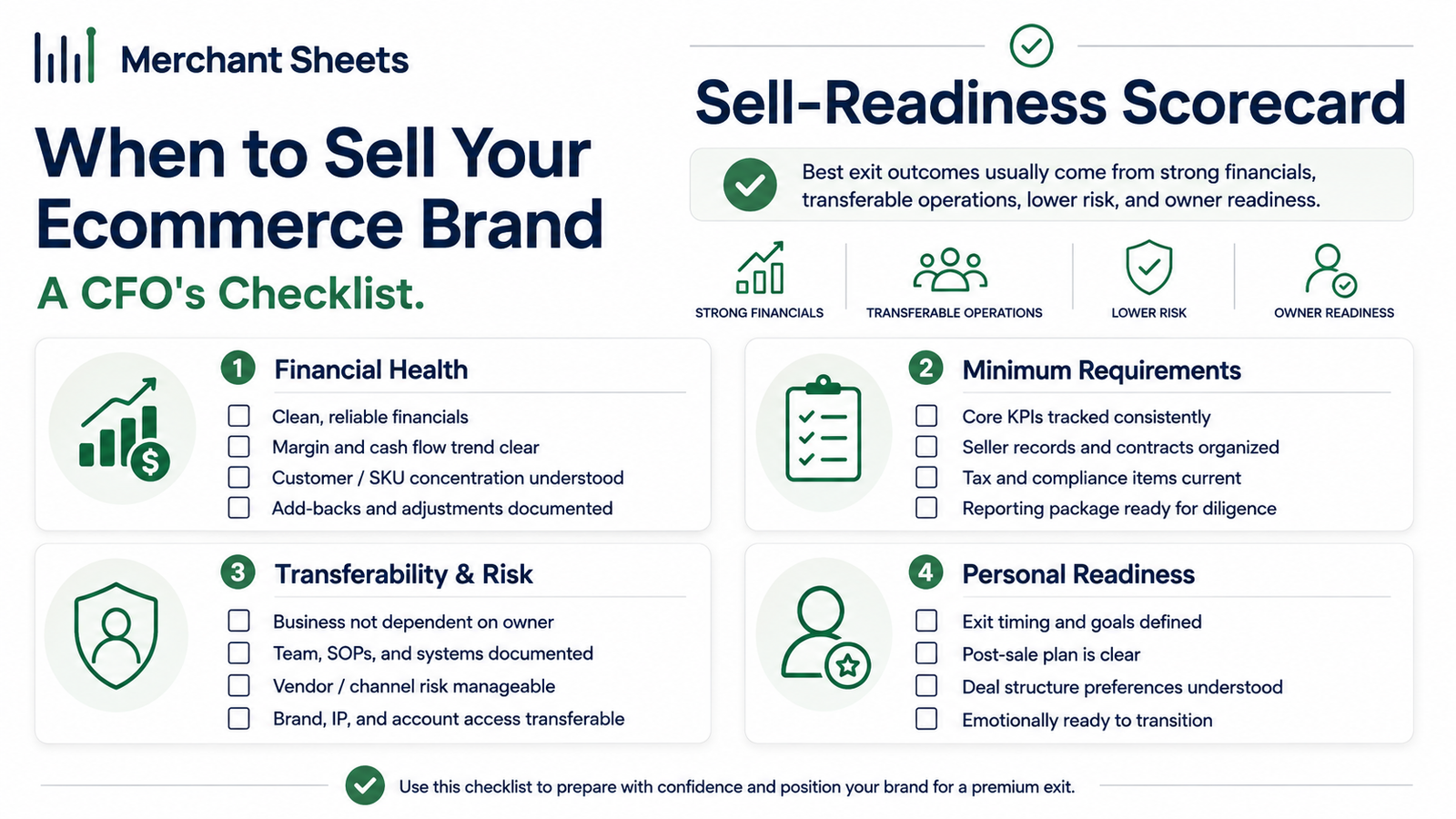
Key takeaways It’s the right time to sell when the business is in sellable health, clears the buyer’s minimum bar, and nets you a
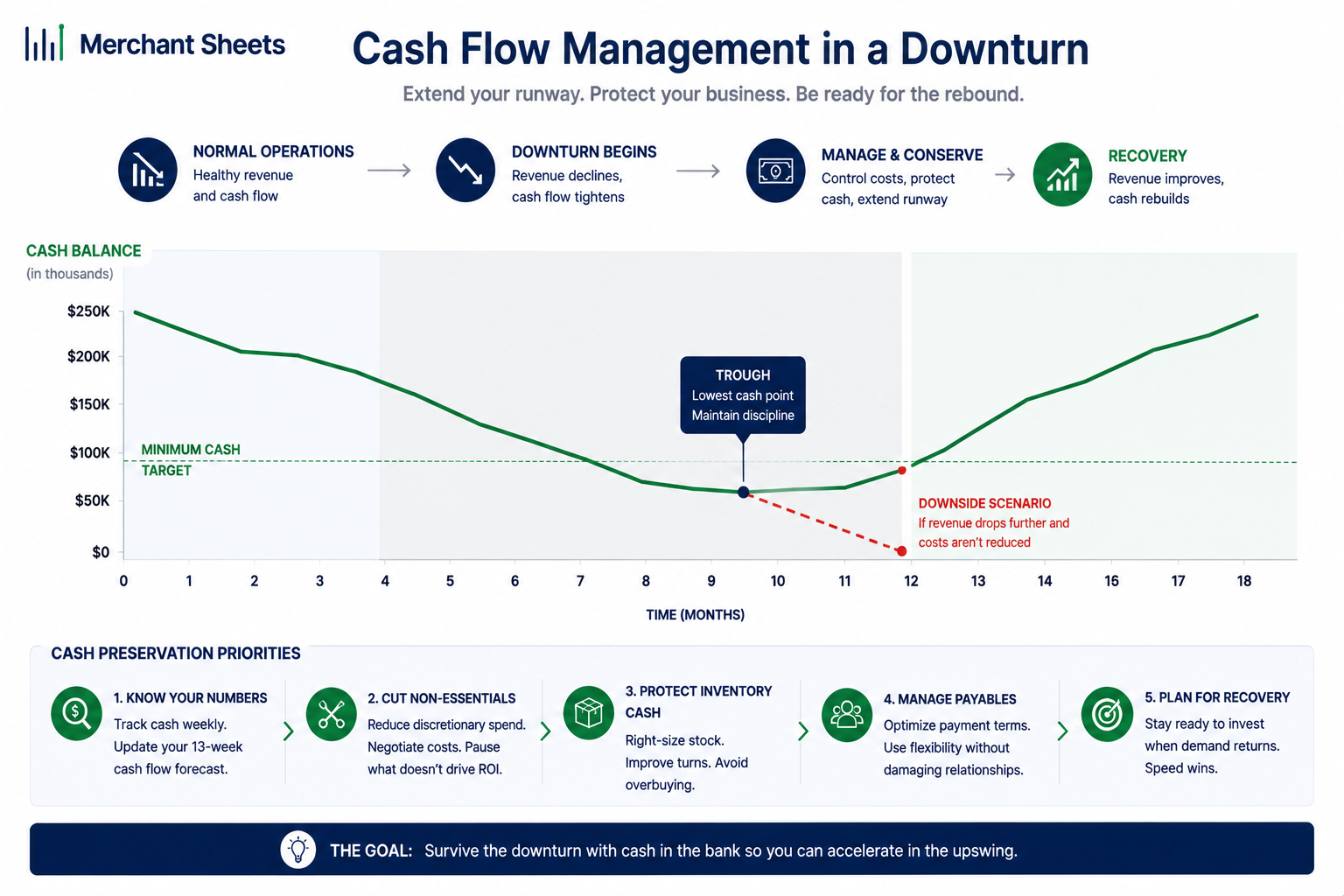
Key takeaways In a downturn, liquidity matters more than profit on paper, so the number to protect is runway: how many months your cash
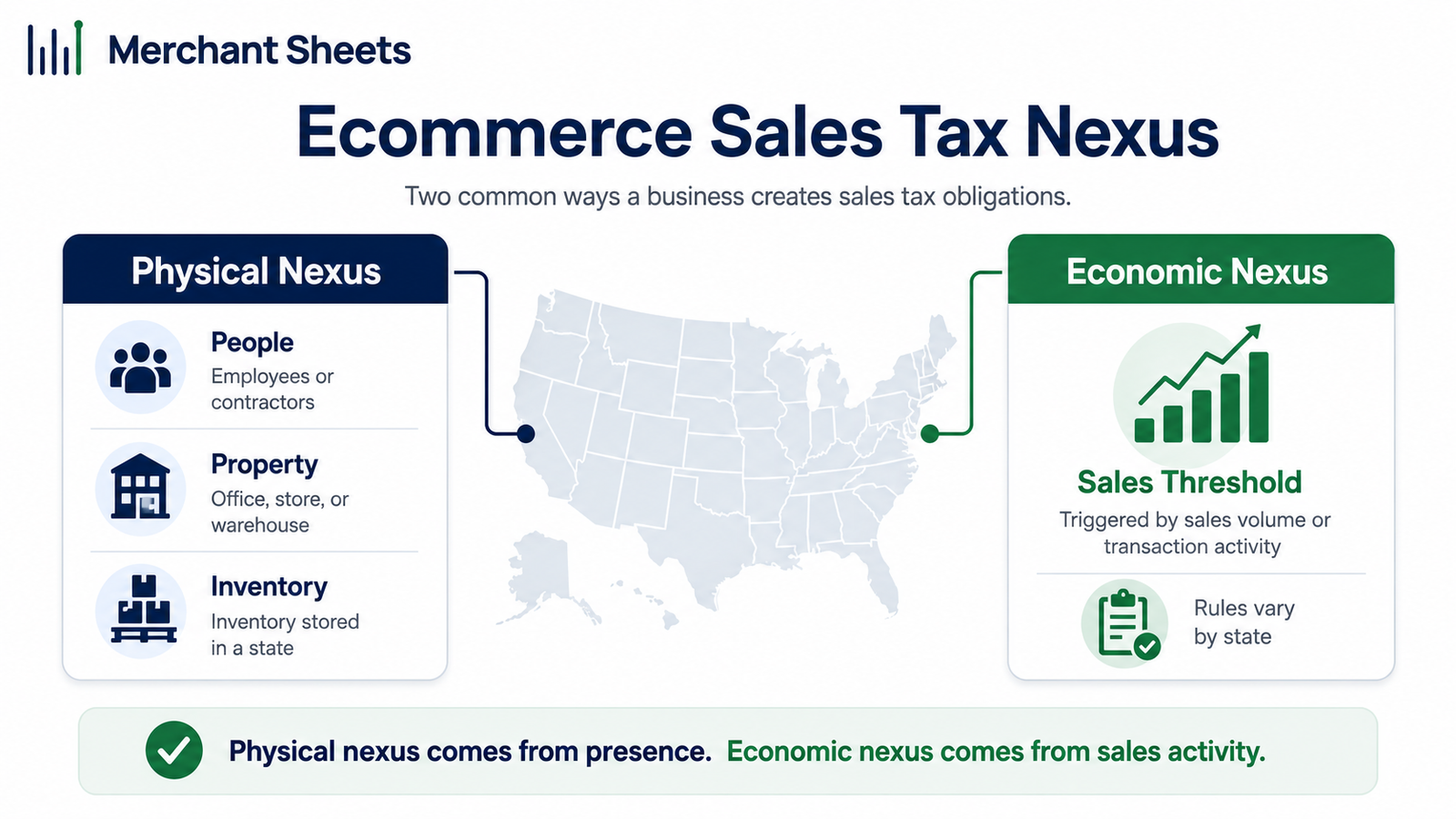
Key takeaways Sales tax nexus is the connection between your business and a state that obligates you to collect and remit that state’s sales
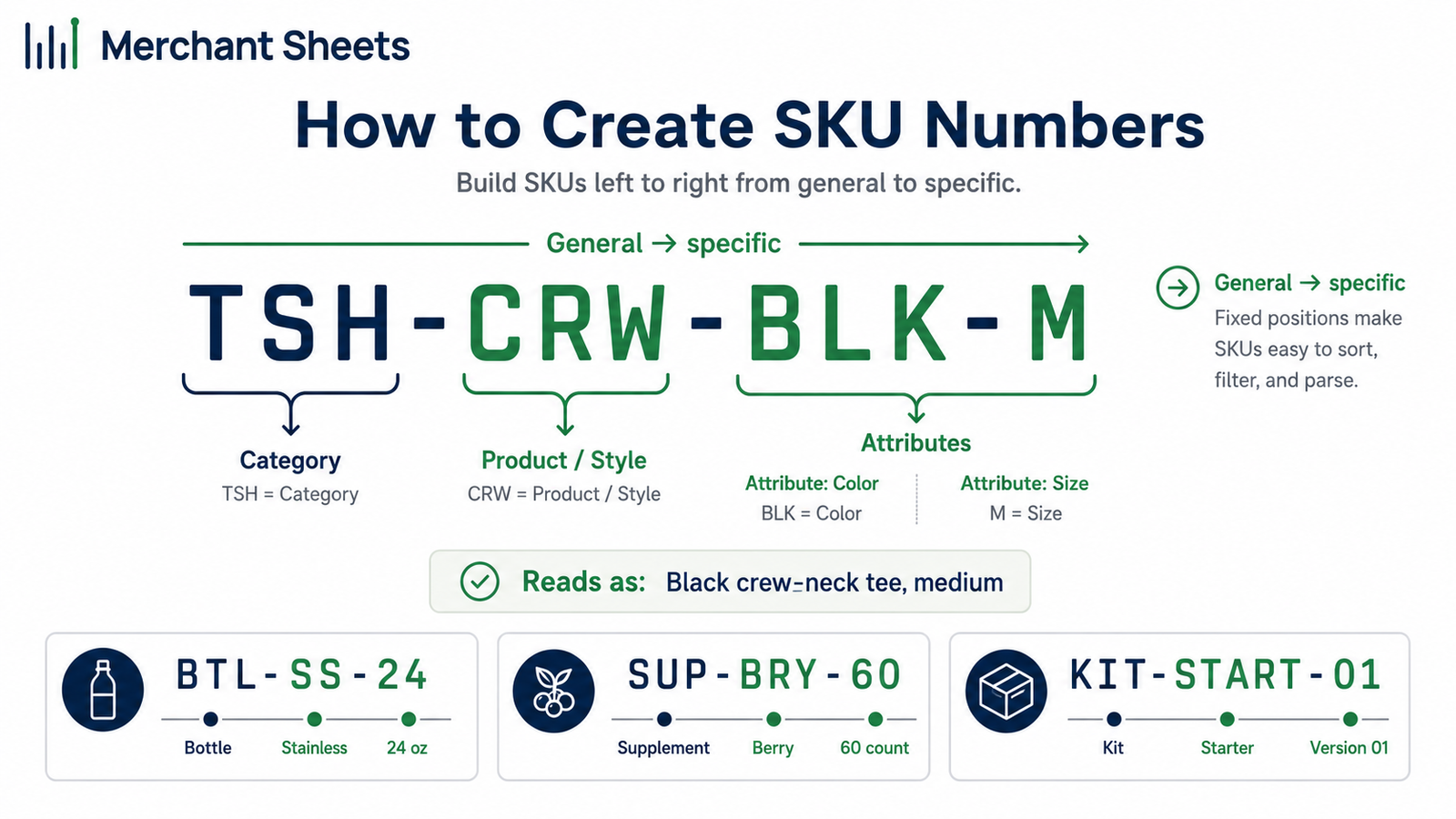
Key takeaways A SKU (stock keeping unit) is the internal code you assign to each sellable product and variant to track it, and you
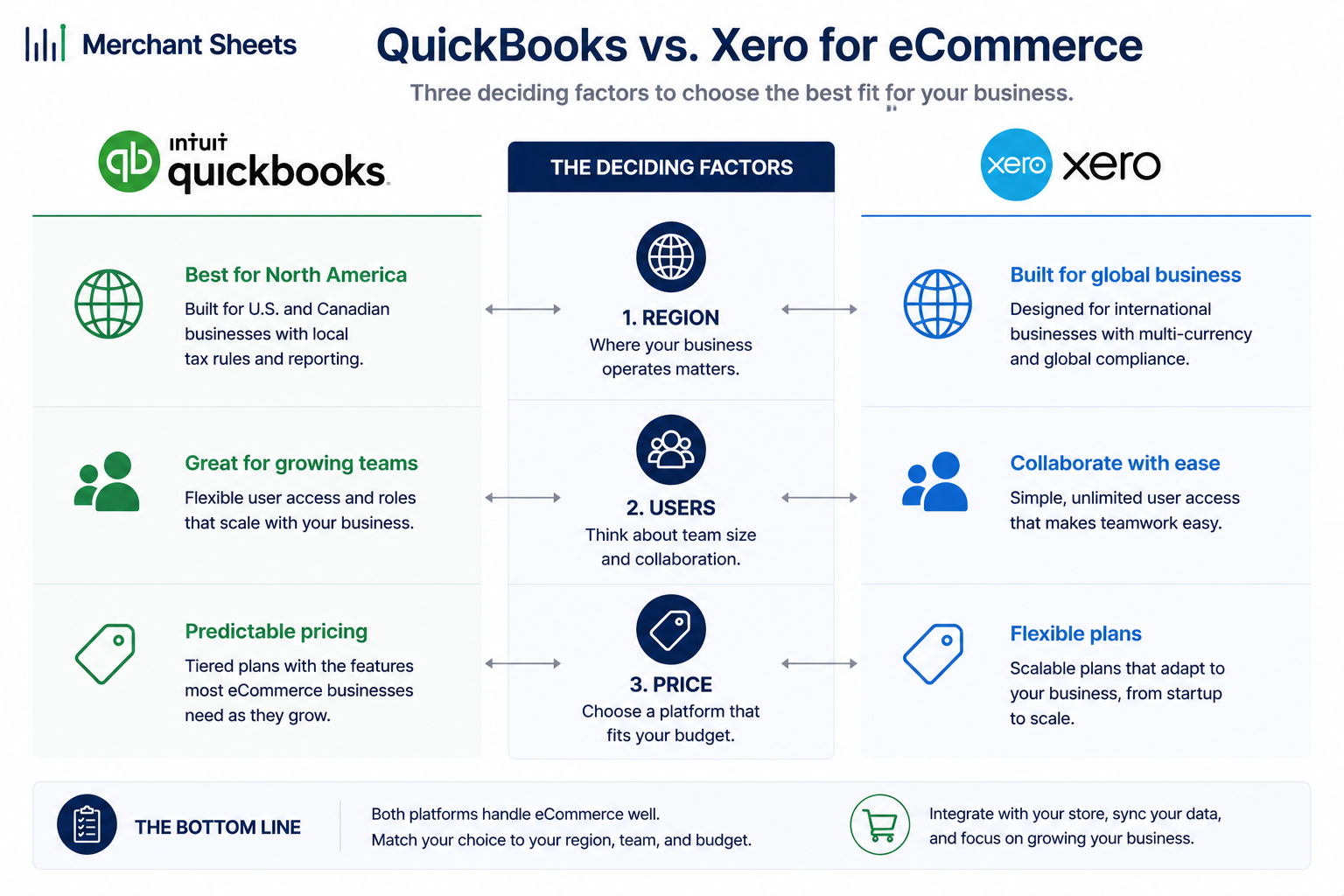
Key takeaways QuickBooks Online and Xero are both strong ecommerce ledgers; for most sellers, the choice comes down to three things: where you sell,
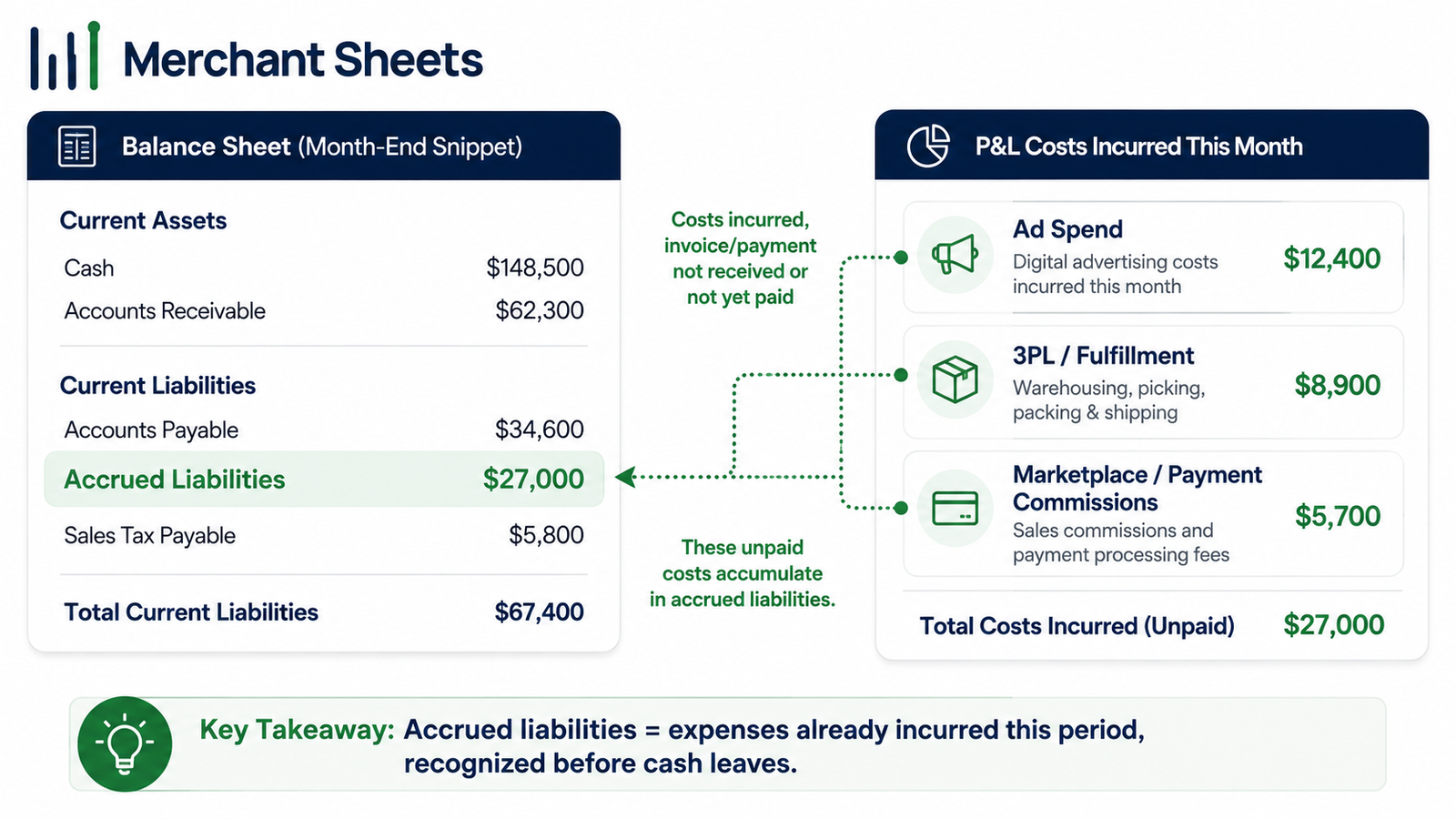
Key takeaways An accrued liability is a cost you’ve already incurred but haven’t been billed or paid for yet, and it sits in current
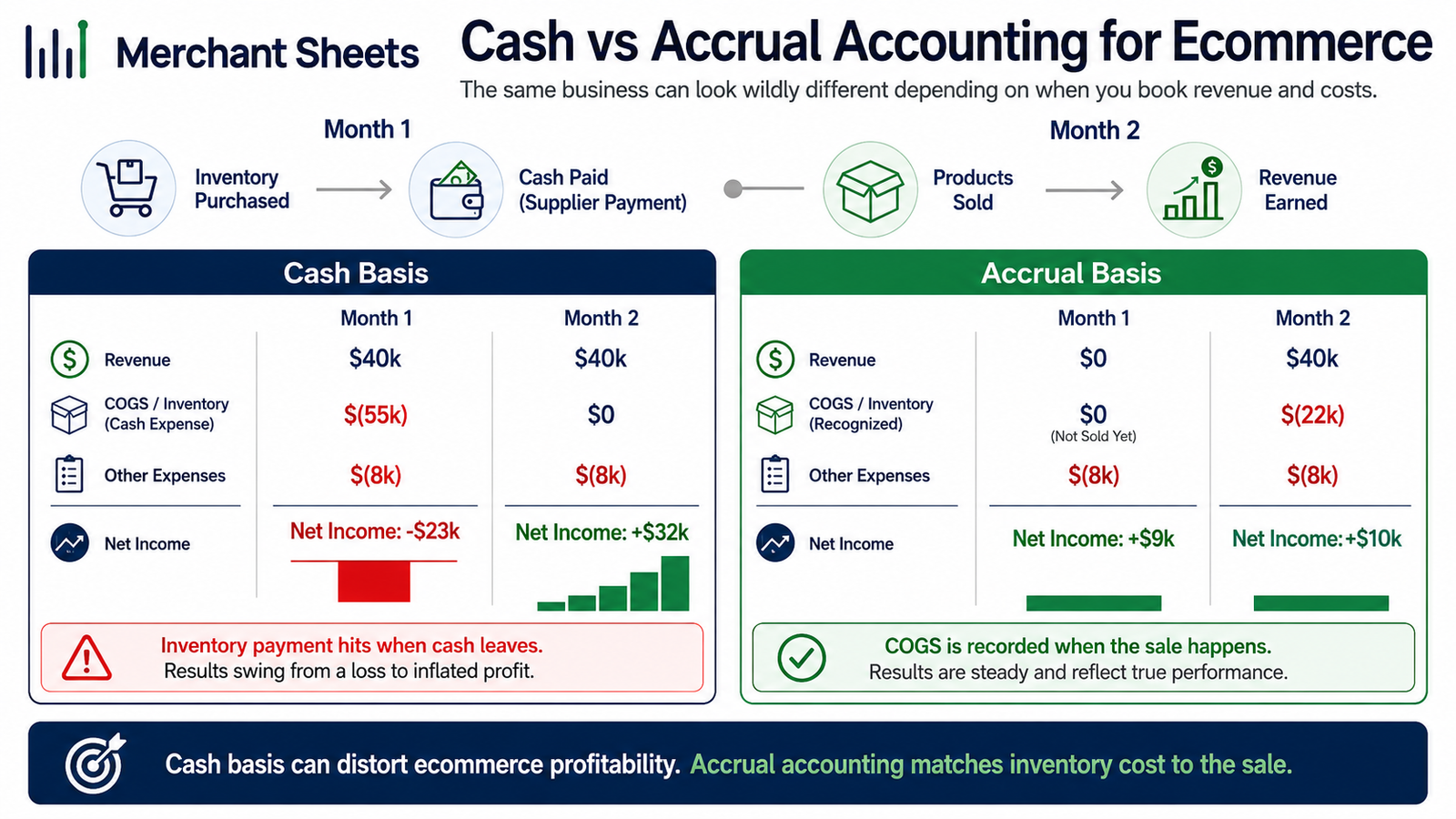
Key takeaways Cash accounting records revenue and expenses when money moves; accrual records revenue when you earn it and costs when you incur them.
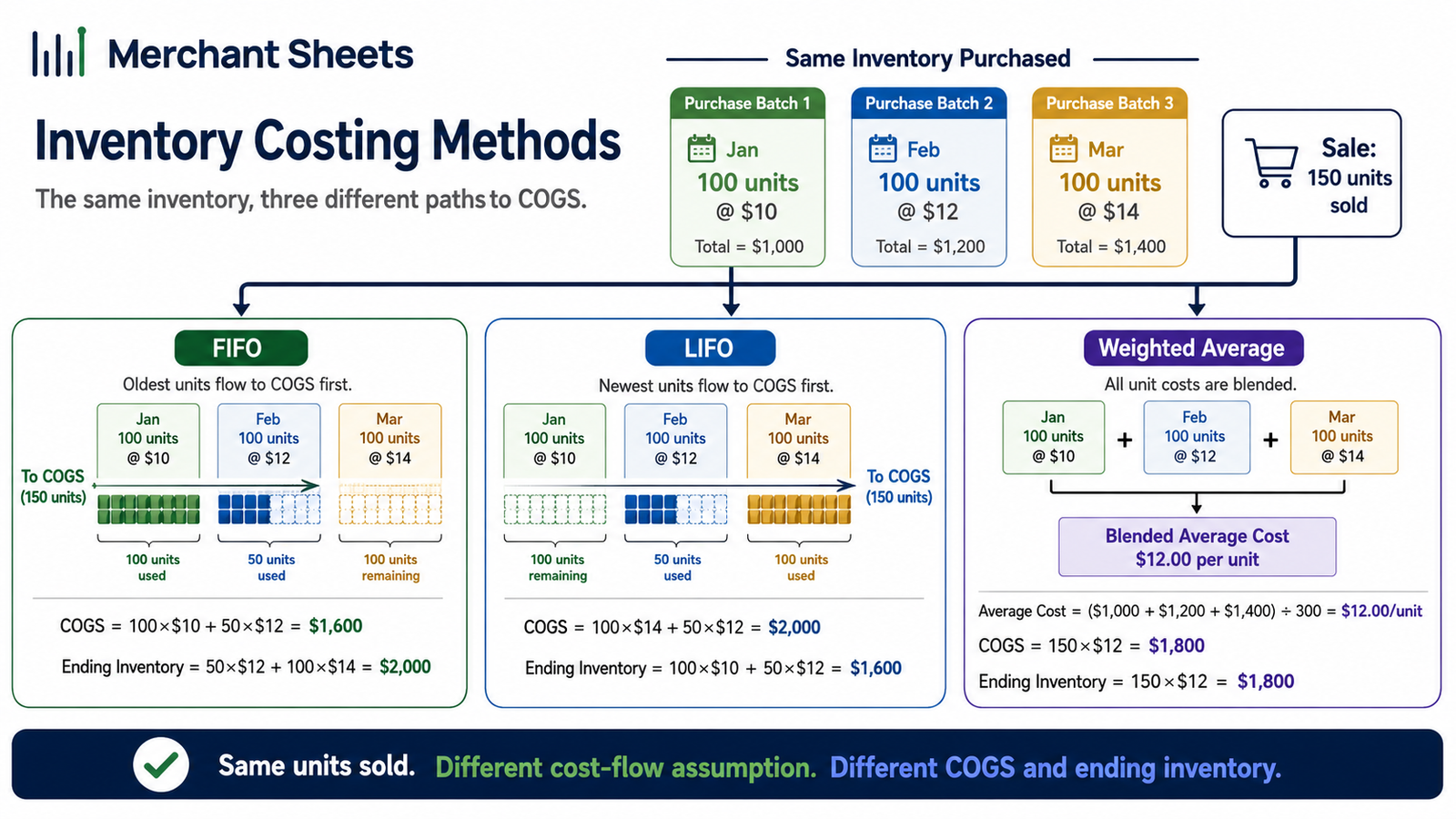
Key takeaways An inventory costing method is the rule that assigns cost to the units you sold (COGS) versus the units still on hand
