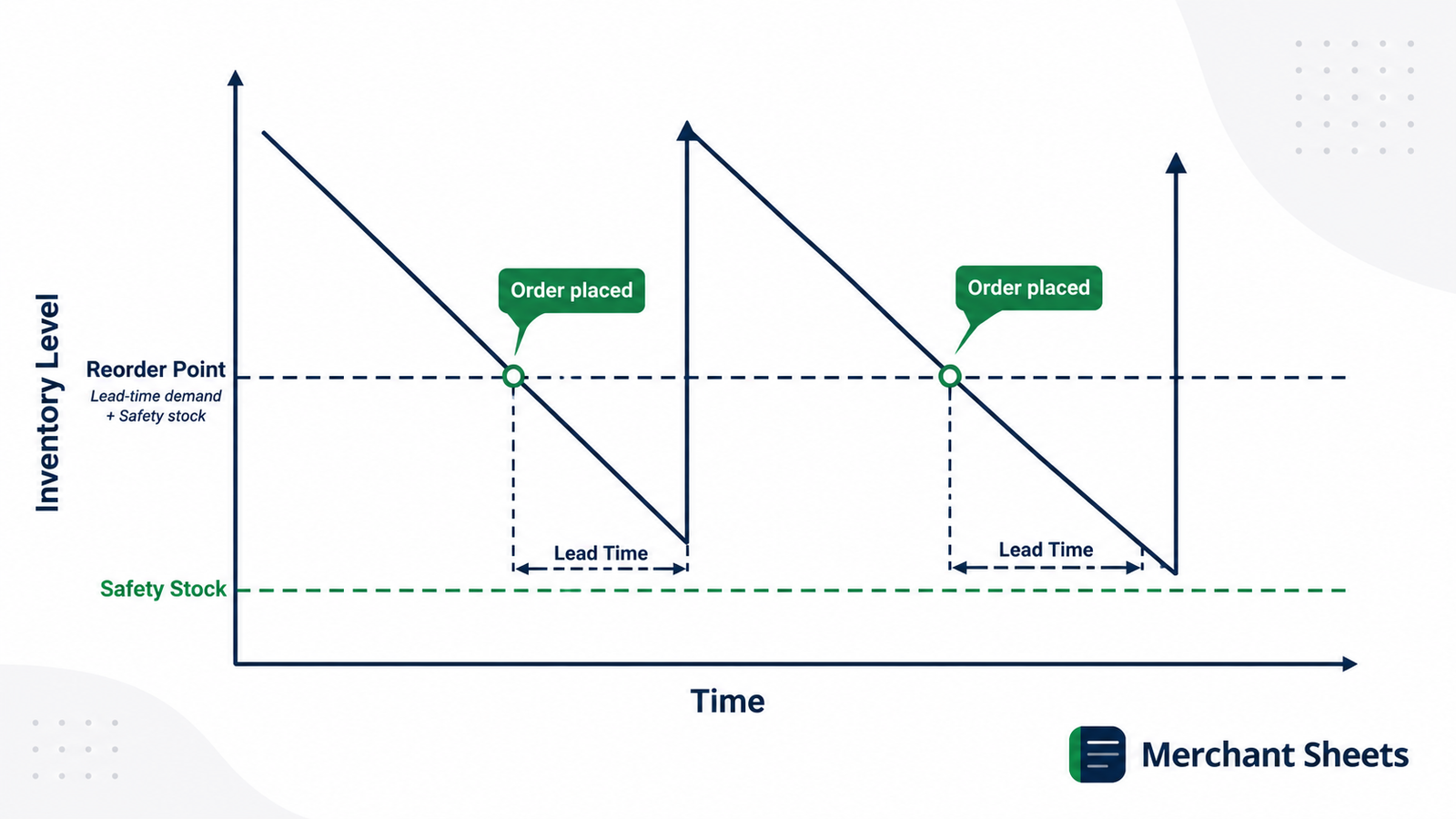
Reorder Point Formula: How to Know When to Reorder Inventory
Order too early and you tie up cash in stock you don’t need yet. Order too late and you sell out before the next

Order too early and you tie up cash in stock you don’t need yet. Order too late and you sell out before the next
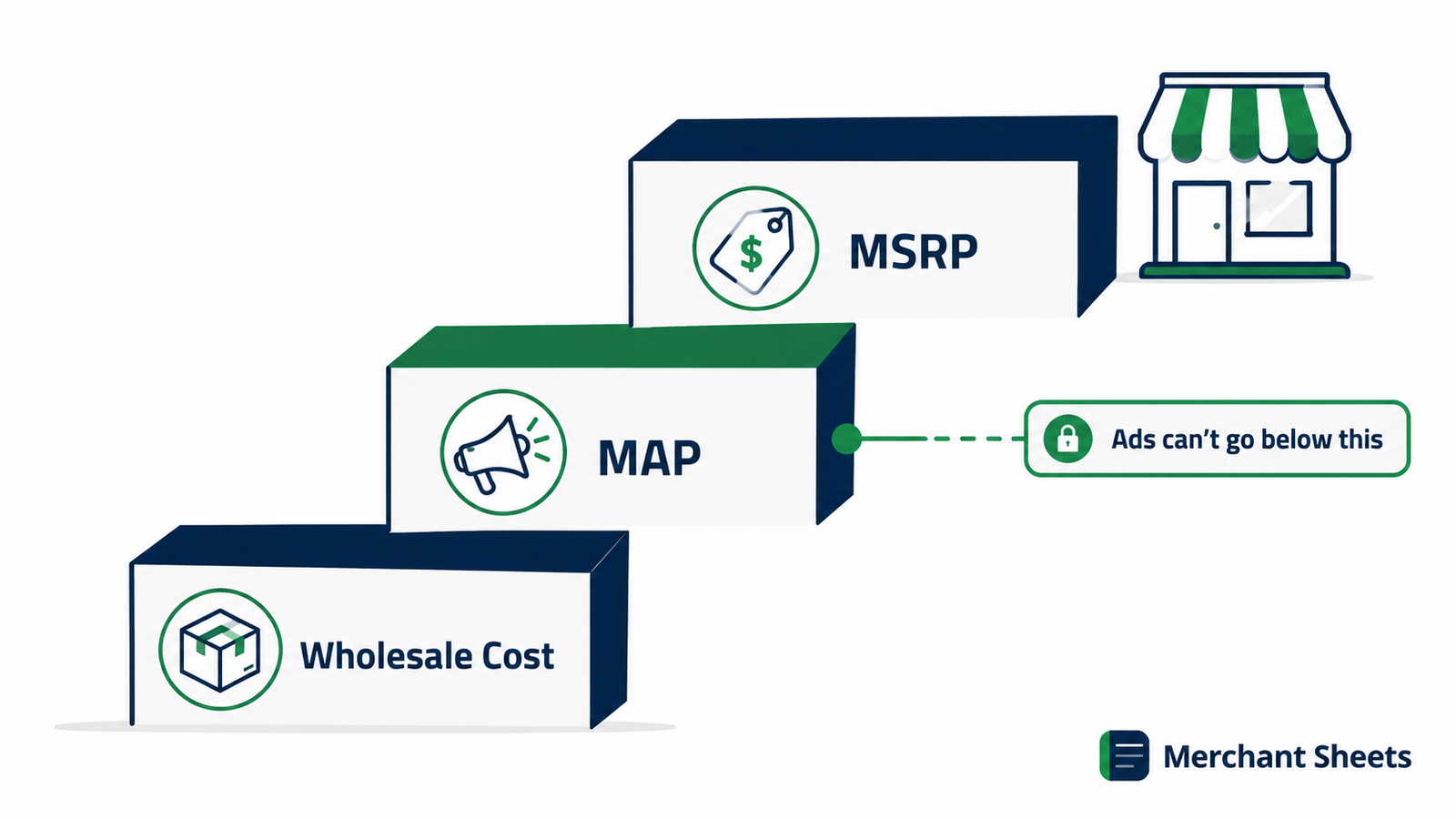
MAP pricing is the lowest price a retailer is allowed to advertise your product for. Brands use it to keep one discounter from dragging
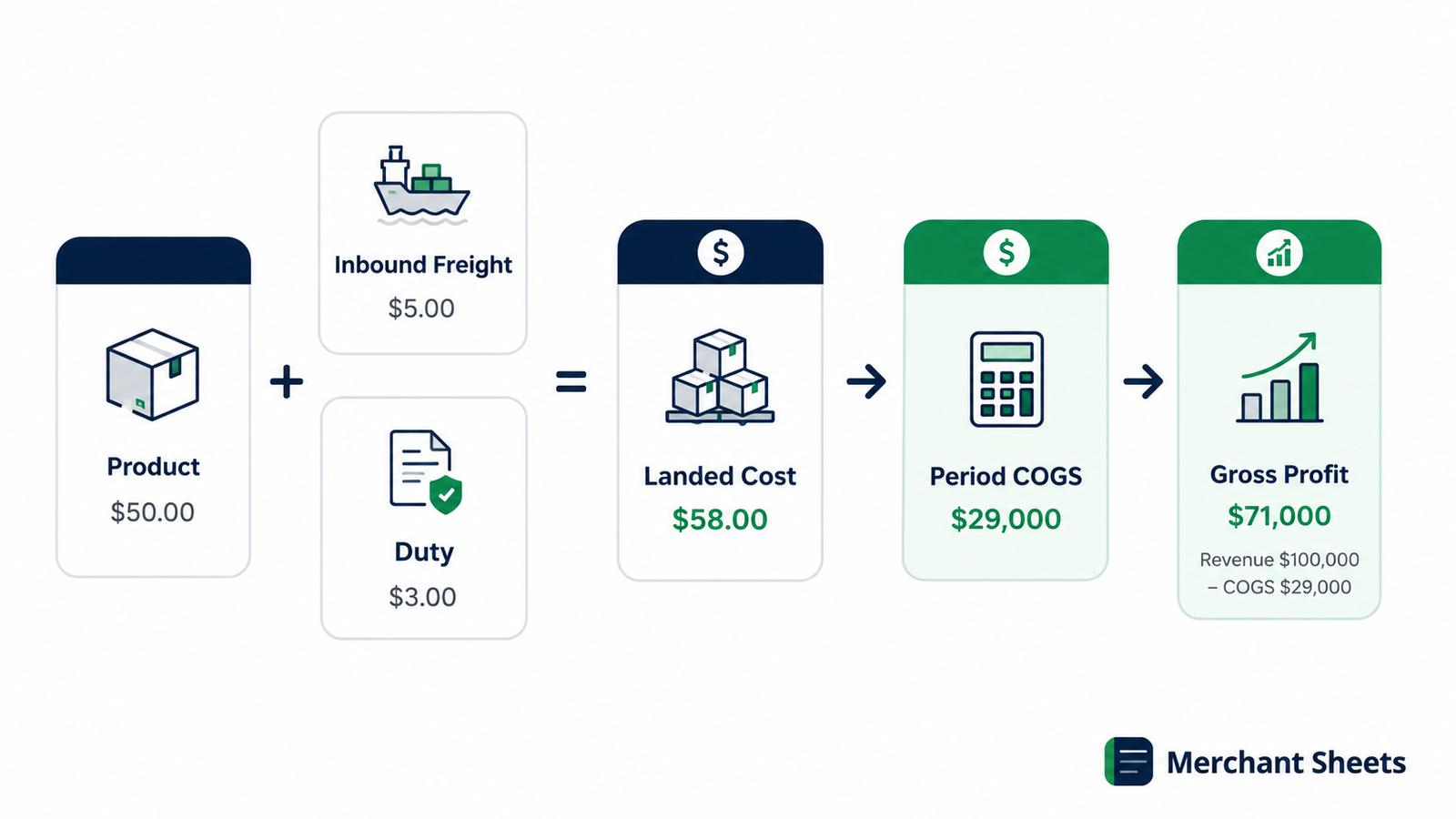
Cost of goods sold (COGS) is the direct cost of the goods you sold in a period, and on most ecommerce P&Ls it’s the
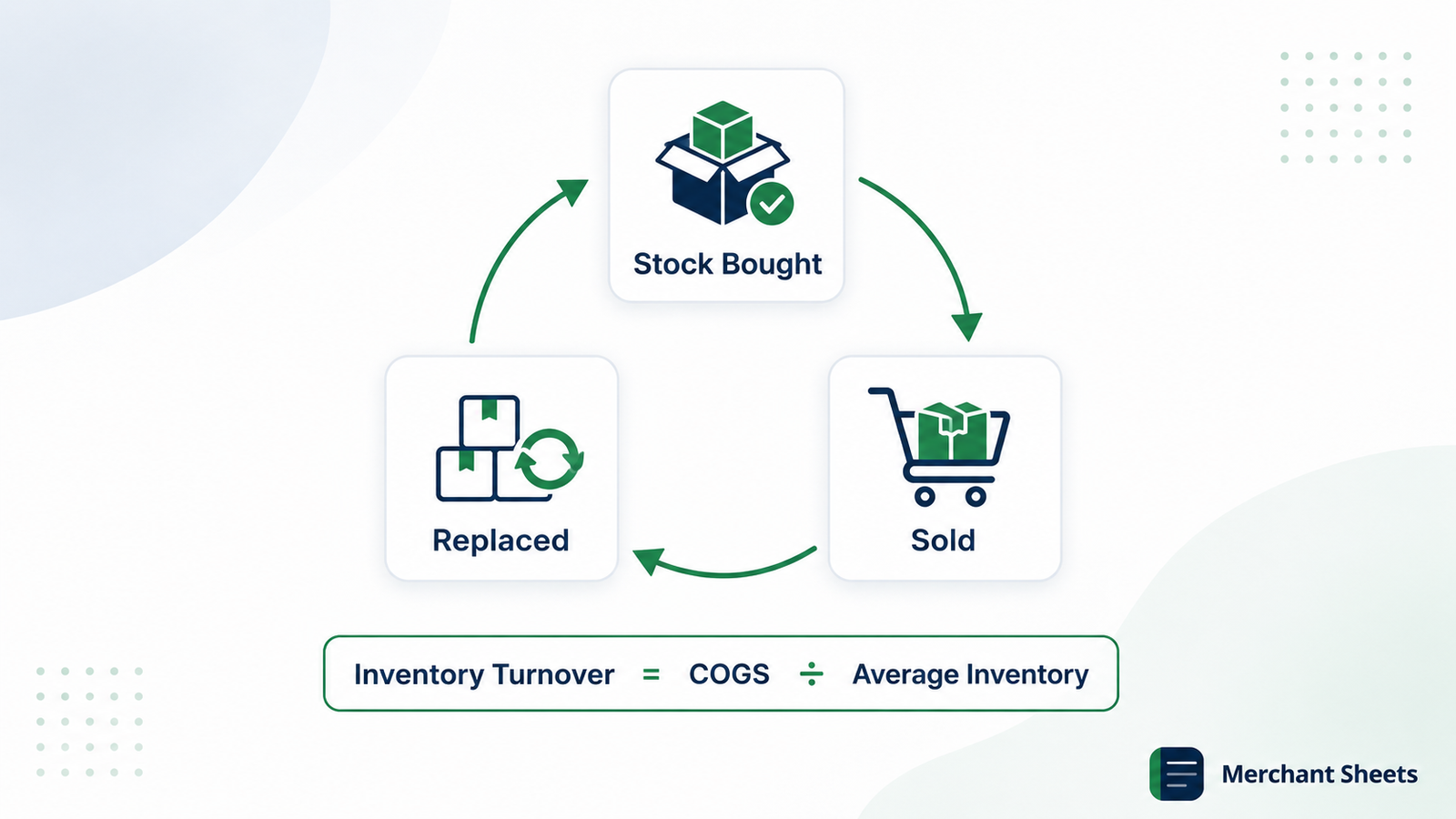
Your inventory turnover ratio counts how many times you sell through your average stock in a period. It’s the quickest read on whether cash
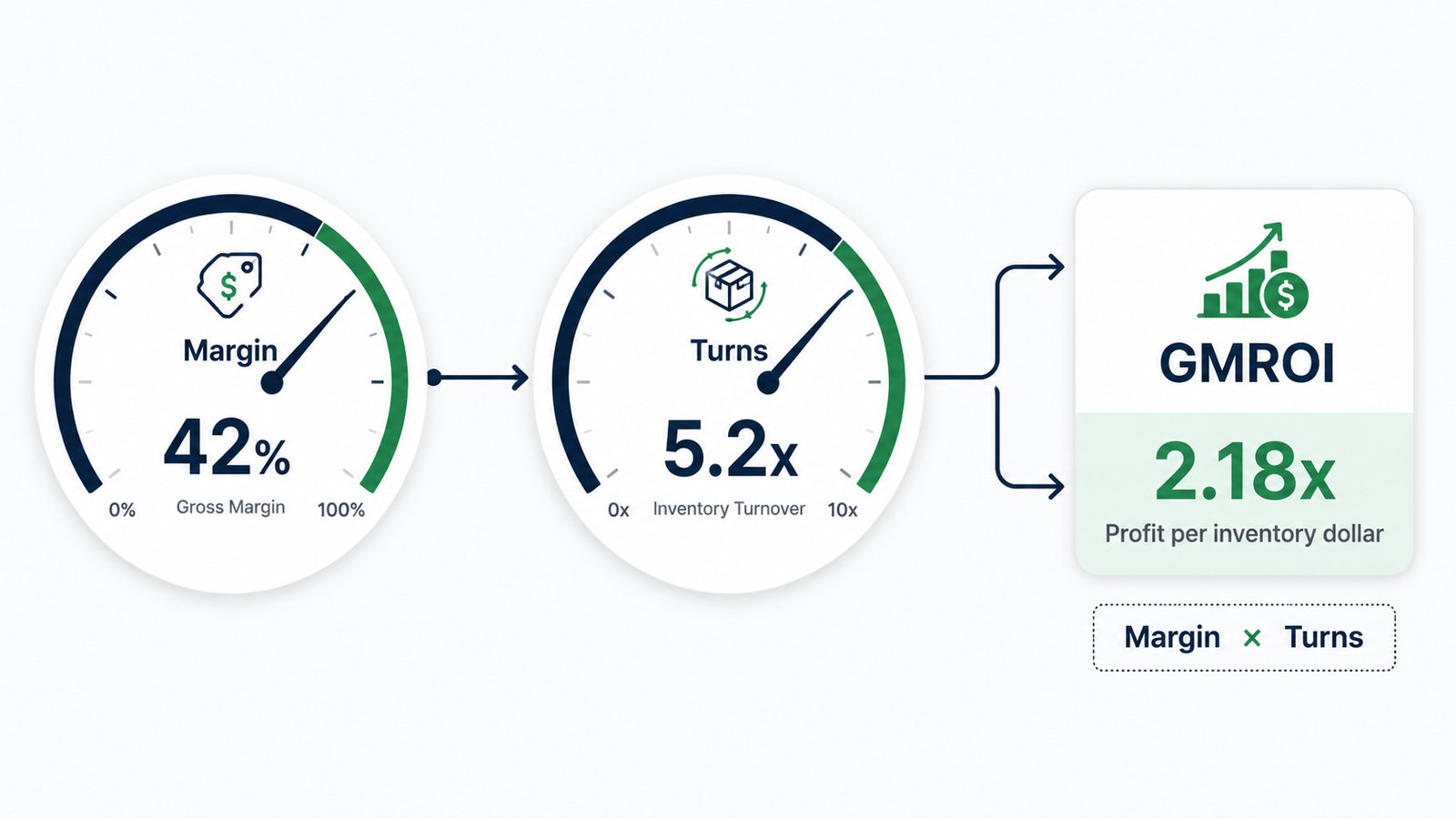
Inventory turnover tells you how fast a product sells. Gross margin tells you how much you keep when it does. On their own, each
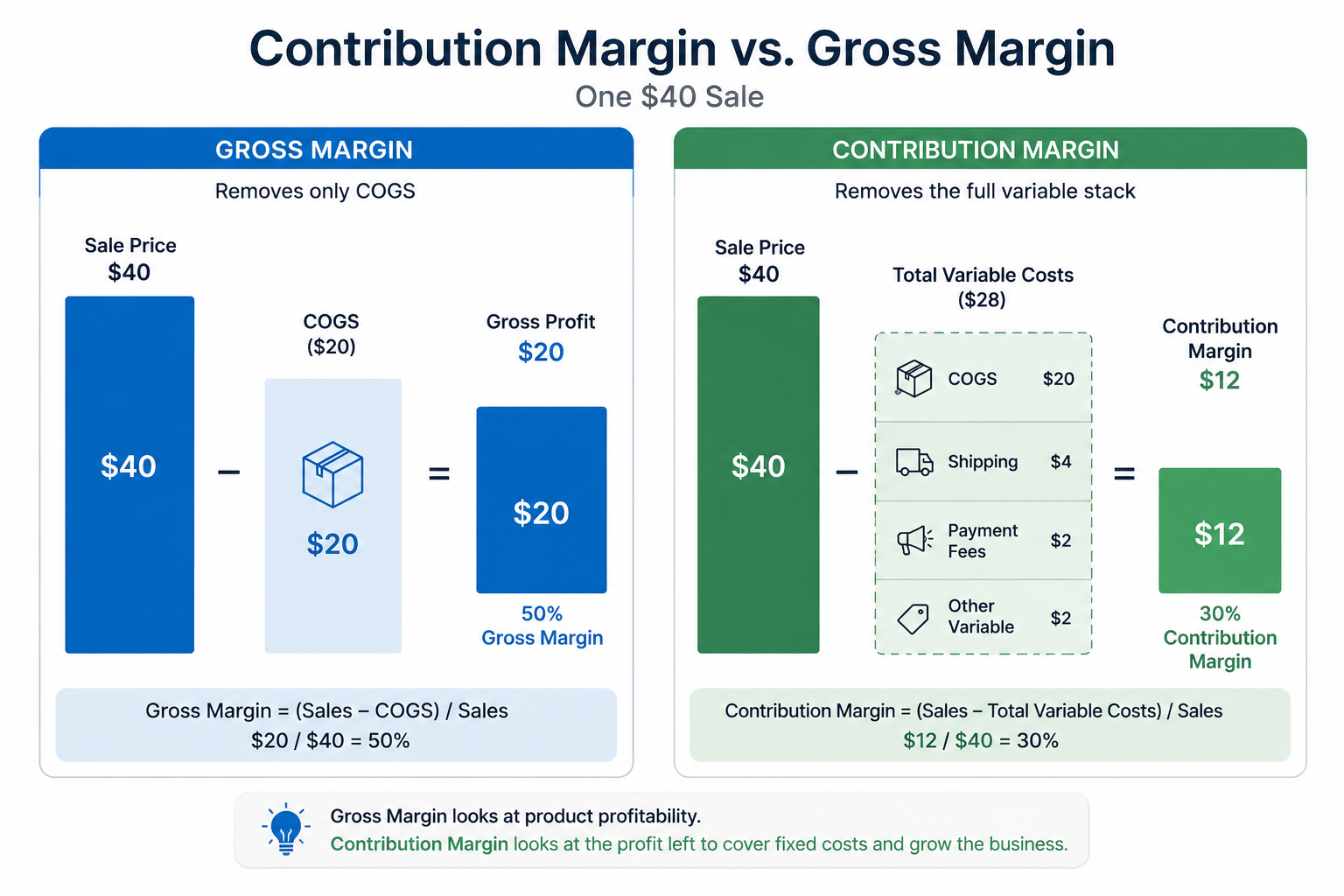
Gross margin and contribution margin both measure what’s left after costs, but they subtract different costs and answer different questions. Gross margin asks whether
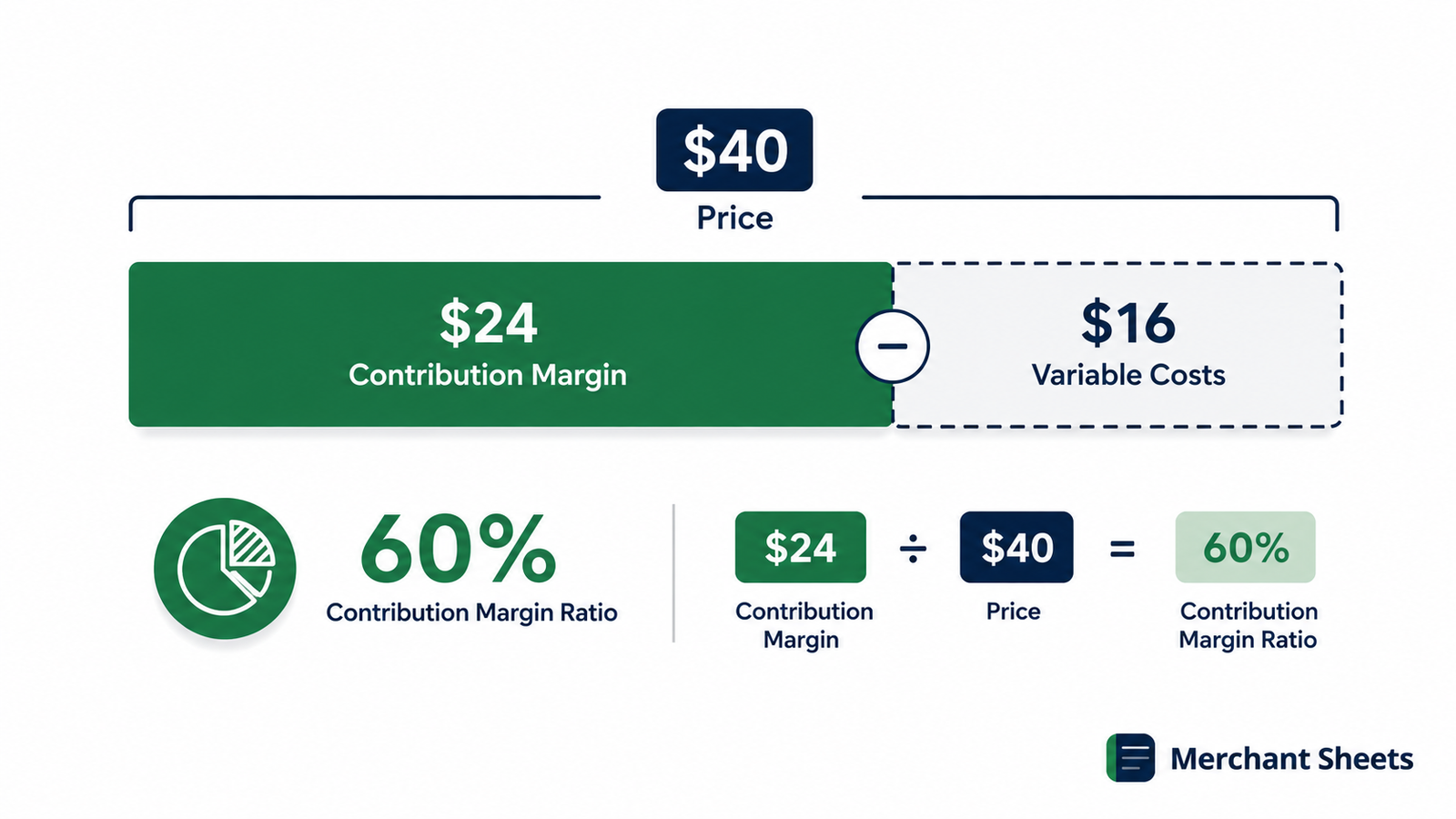
Your contribution margin ratio (CMR) is the percentage of each sale left after variable costs — the same money as your dollar contribution margin,
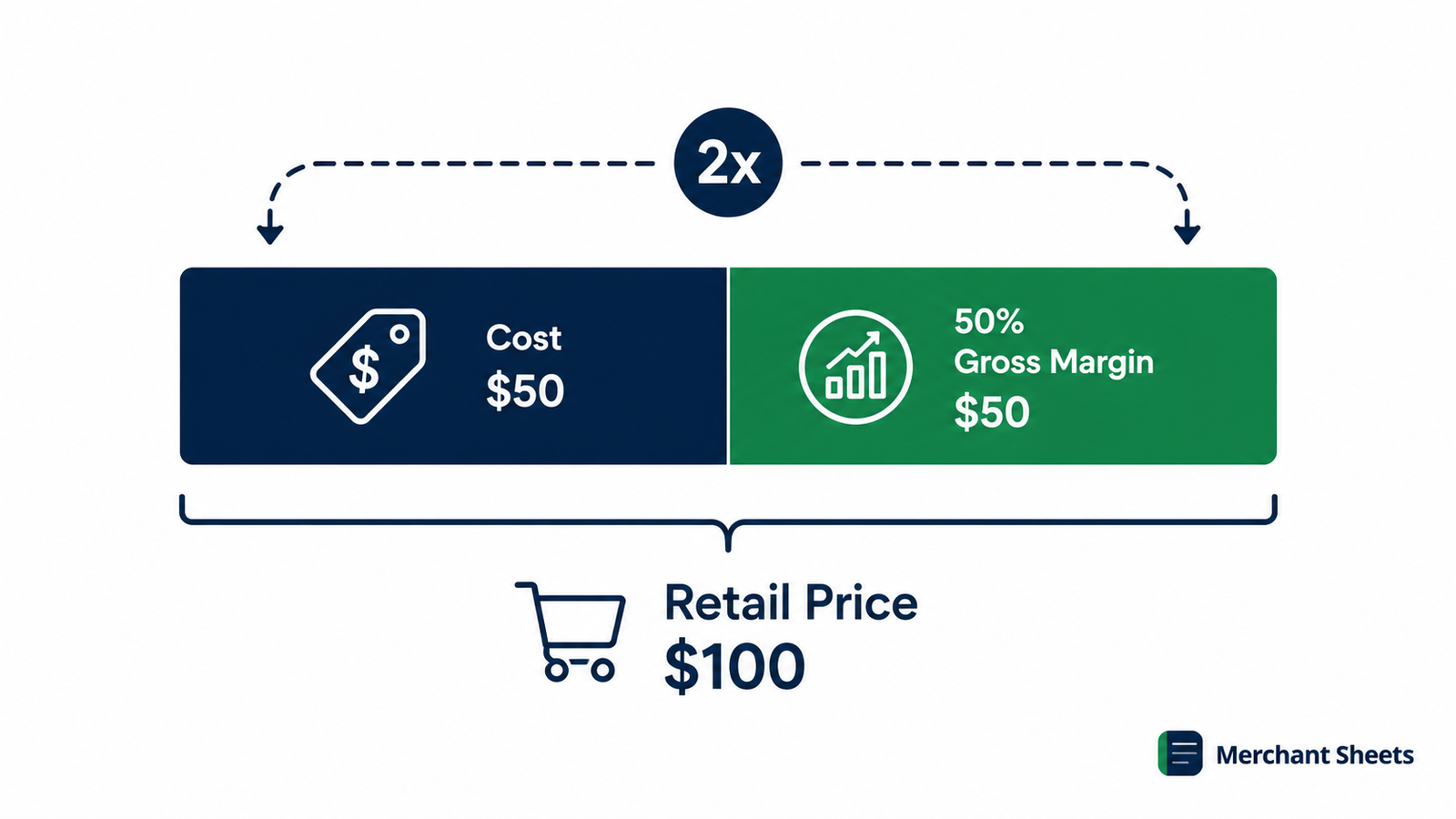
Keystone pricing is the oldest rule in retail: take what a product costs you and double it. That gives you a 100% markup, a
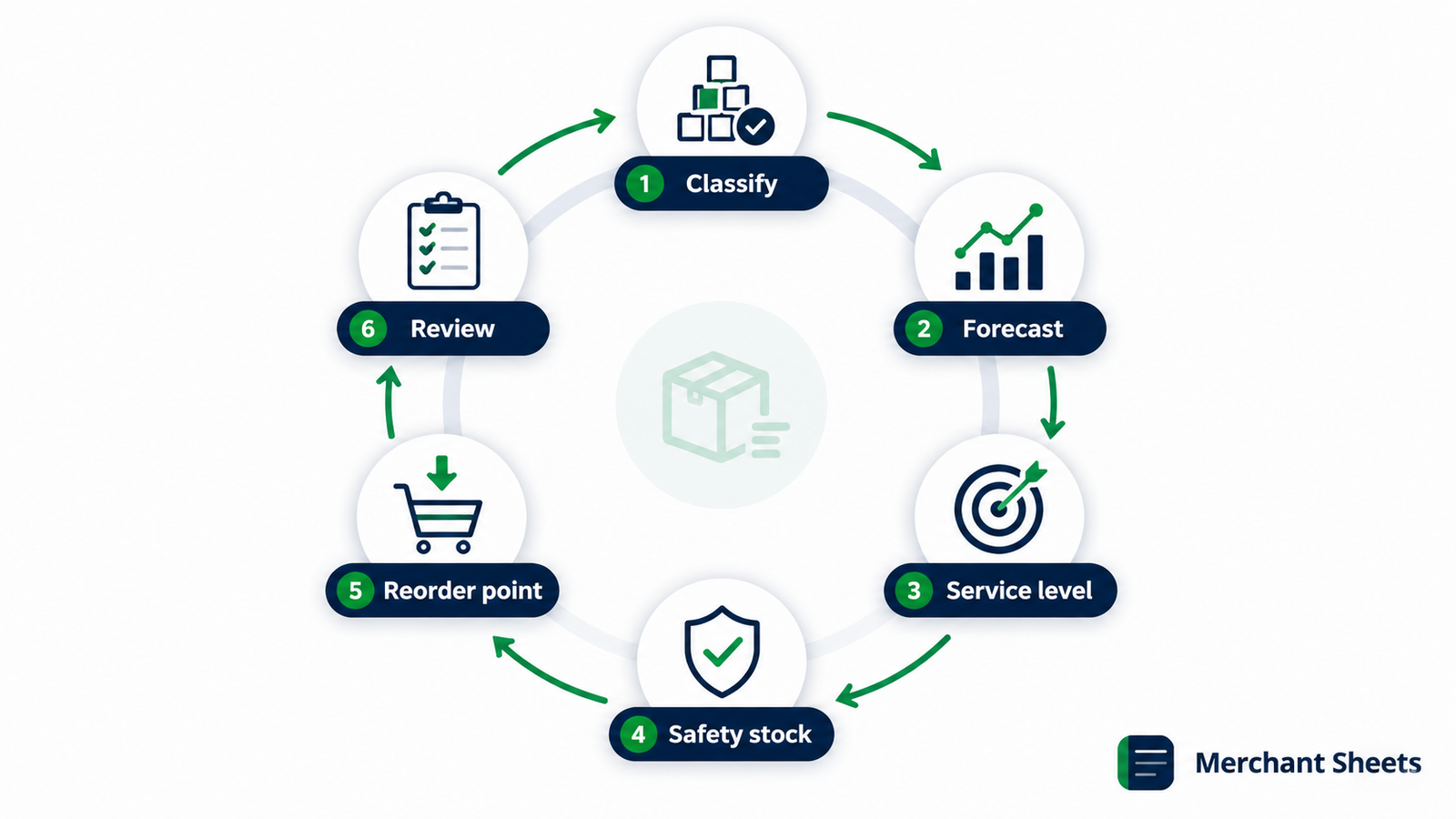
Inventory planning is how you decide what to reorder, how much, and when — before a stockout or a pile of dead stock makes
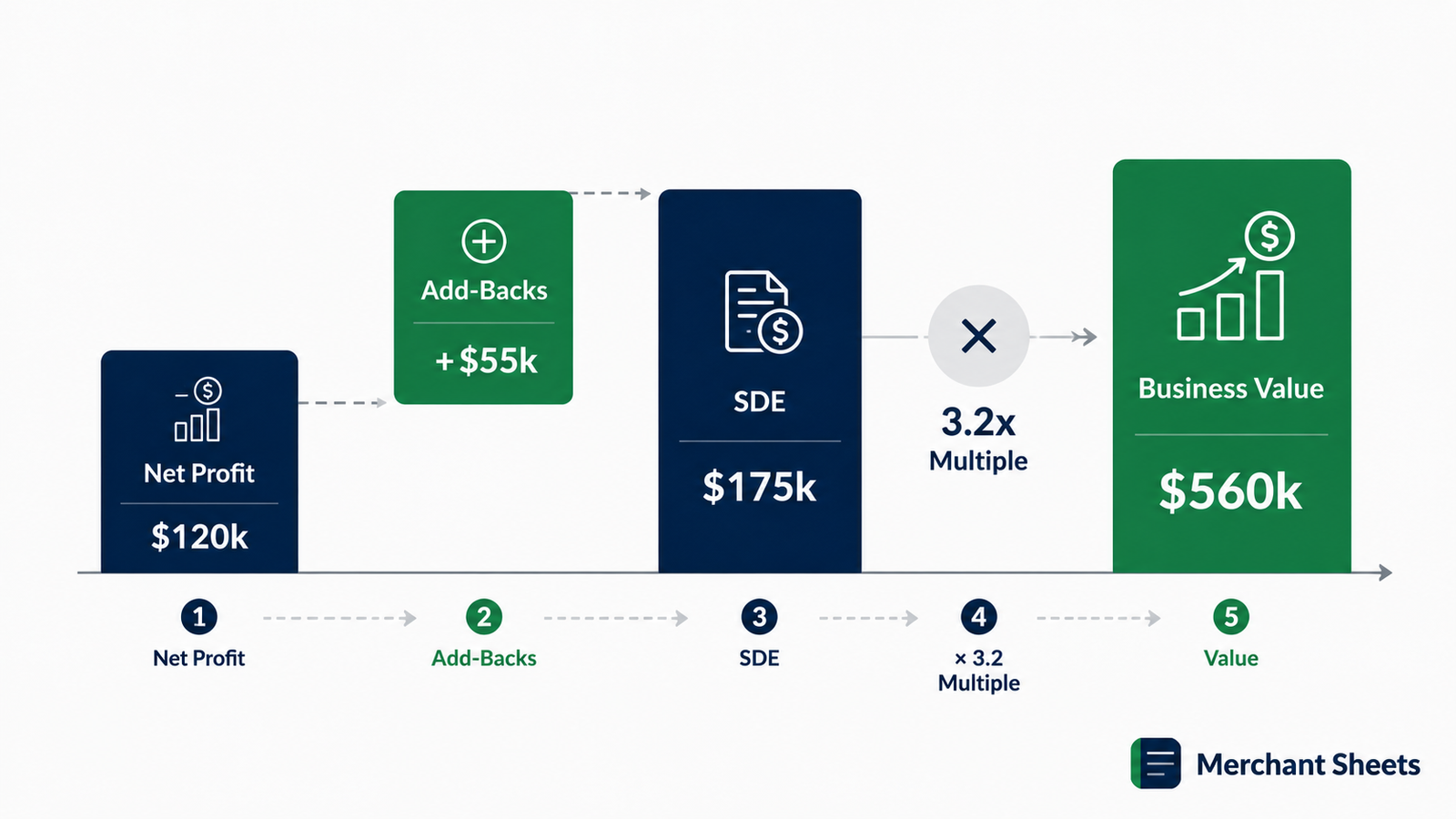
Whether you’re eyeing an exit or you’re curious what you’ve built, valuing a small business comes down to two numbers: what it earns for
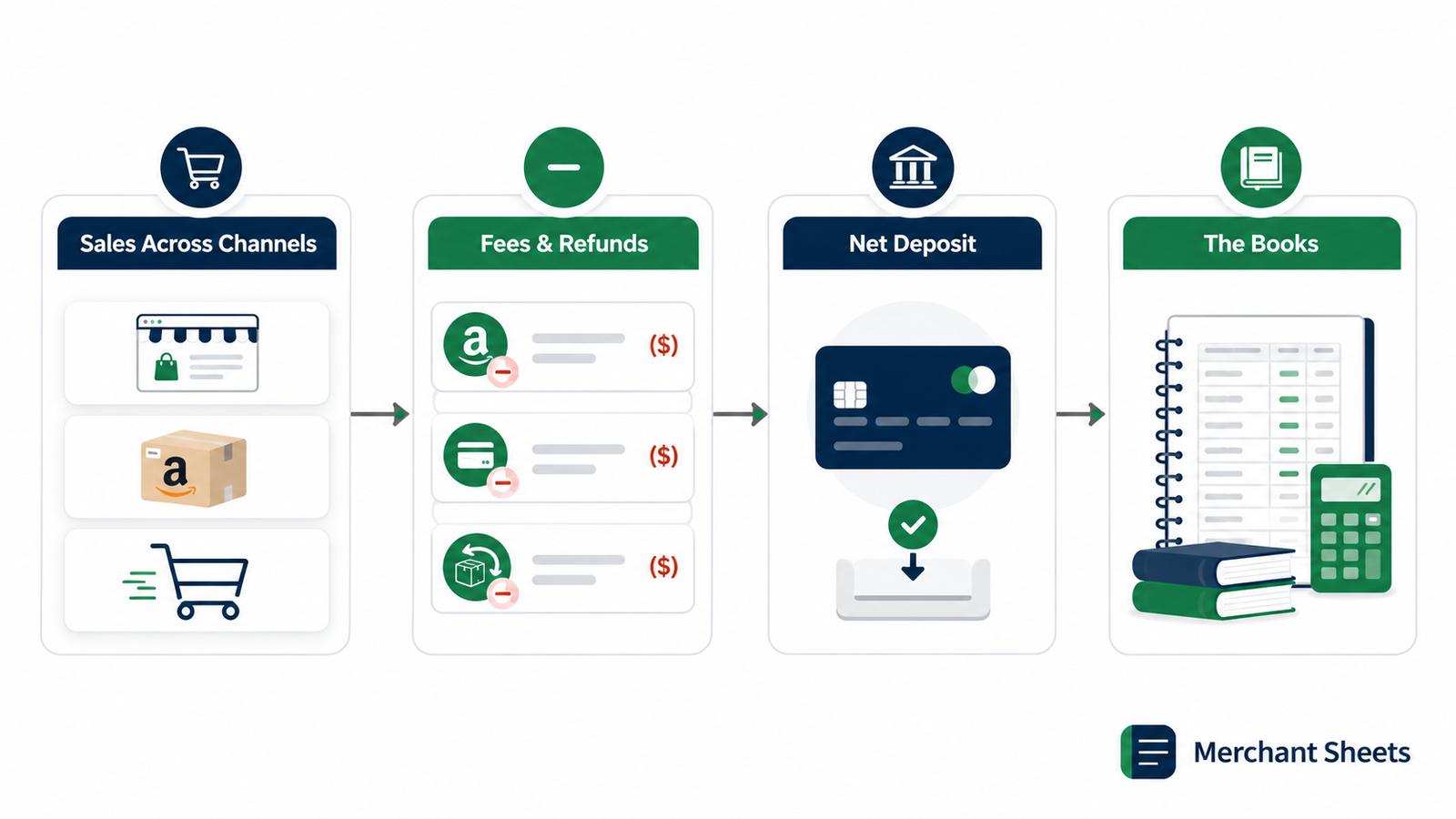
You started a store to sell products, not to keep books. But the numbers decide whether the business works, and ecommerce accounting is how
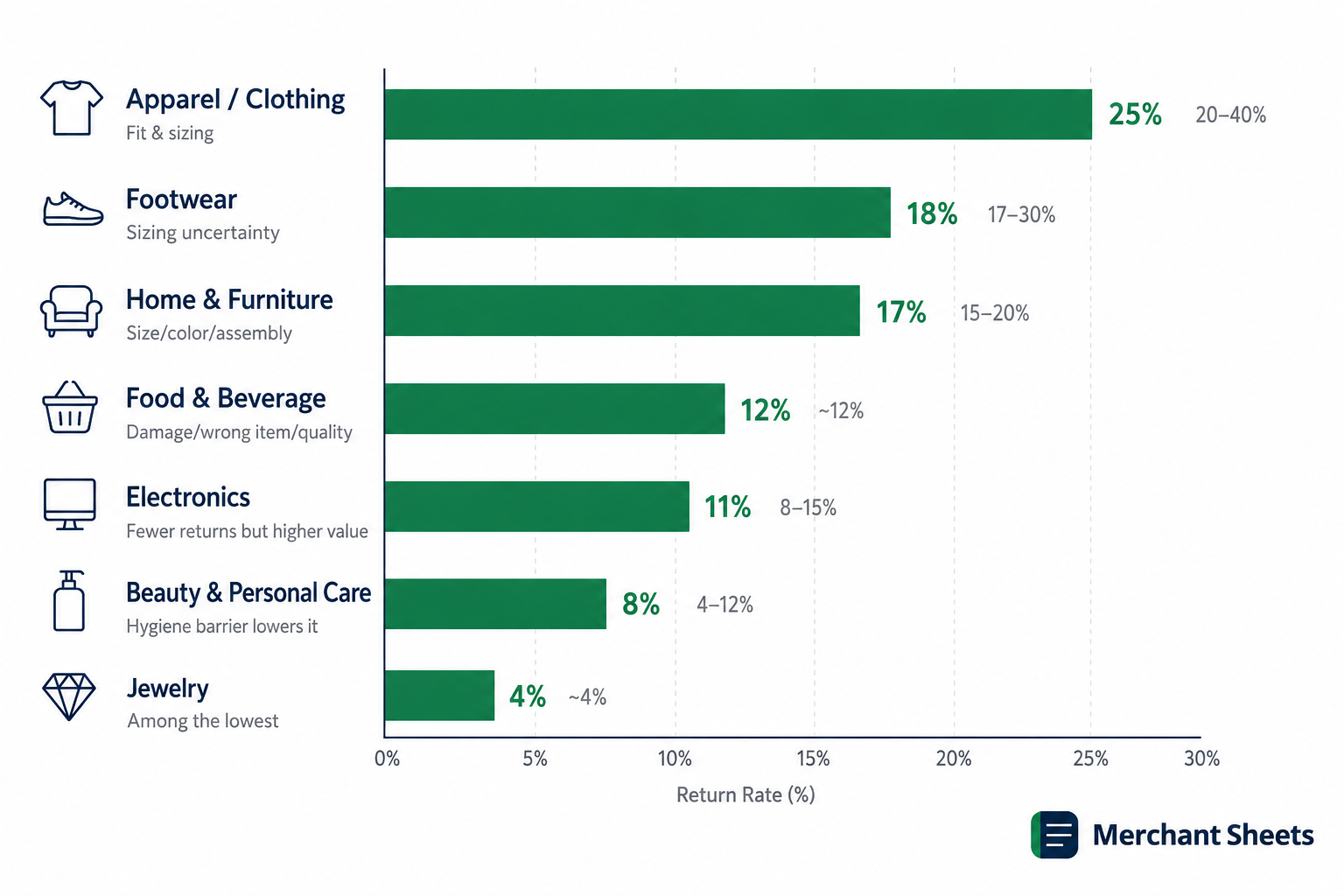
Return one order in five and the “average” return rate stops being an abstraction. The average ecommerce return rate runs close to 19% of
